In every classroom, diversity is already there, shaping how students learn, interact, and see the world. The real question for educators is how to respond to it in a way that is thoughtful, inclusive, and practical. This was the starting point of the course “Intercultural Learning and Cultural Diversity in the Classroom”, held in Athens from 19 to 25 April 2026.
The training brought together a group of educators and professionals from across Europe: Adosinda Maria, Bruno, and Maria Augusta from Agrupamento de Escolas Emídio Navarro (Portugal); Lana and Sofija from Društvo Crvenog križa Koprivničko-križevačke županije (Croatia); Cian and Ned from Limerick and Clare Education and Training Board (Ireland); Maria and Anabela from Agrupamento de Escolas Coimbra Oeste (Portugal); Femke van den Bergen from Go! Scholengroep Brussels (Belgium); and Esther and Valliviana from CPI Ramón y Cajal Ayerbe (Spain). From the beginning, the group created an open and collaborative space, where different perspectives were not just shared but actively explored.
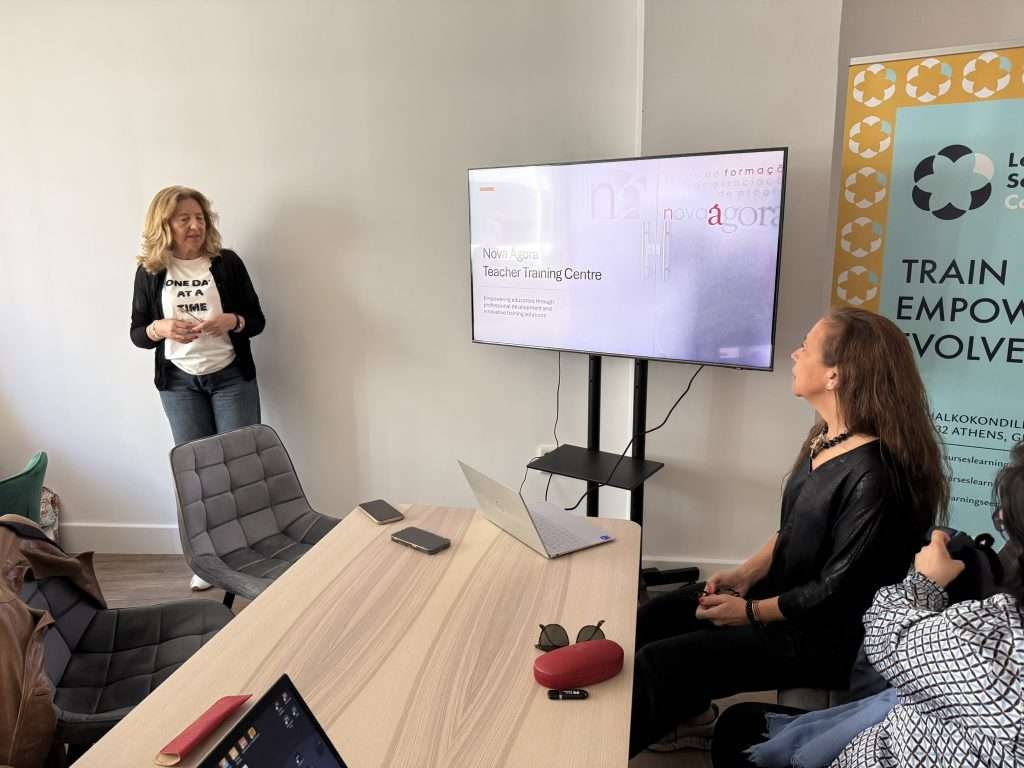
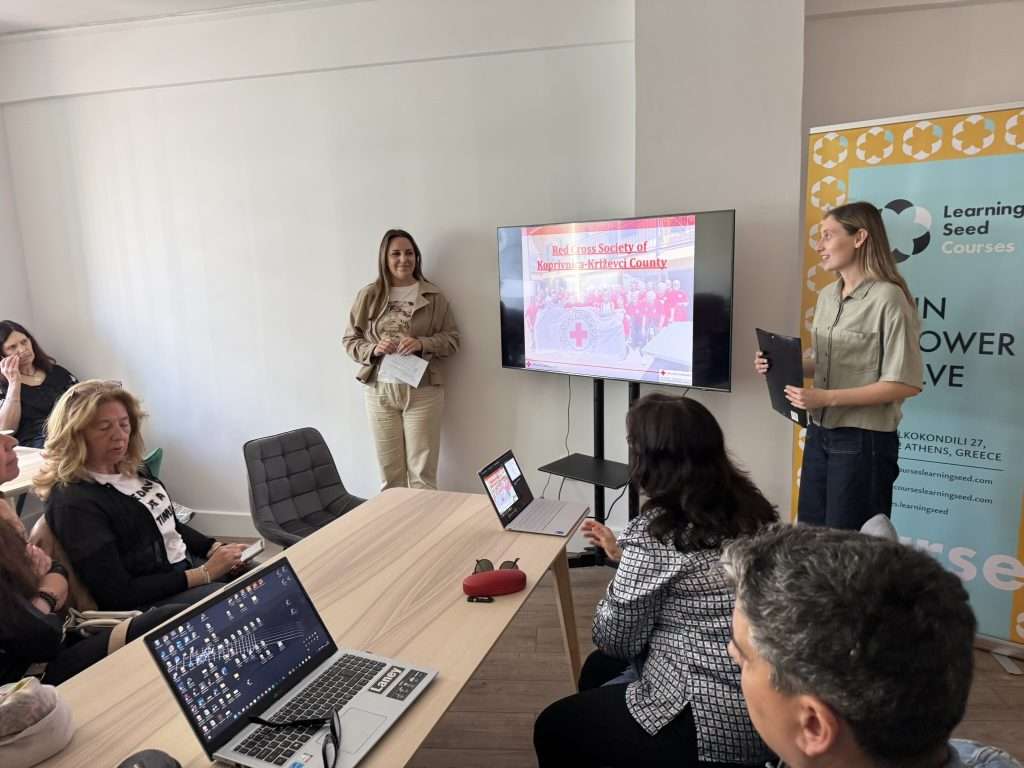
The week started by building connections. Through introductions and presentations of their organisations, participants gained a clearer picture of each other’s working environments. This led naturally into the first discussions on intercultural learning, where the group reflected on what “diversity” looks like in their own classrooms and how it is often perceived. Visual and interactive activities helped unpack these ideas, while also encouraging participants to think about how students develop their sense of identity a sebeuvědomění.
As the course progressed, the focus shifted towards identity and perception. Participants explored the different dimensions that shape who we are and how we interpret others. Through hands-on activities, they examined how stereotypes are formed and how they can evolve into prejudice and discrimination. These sessions stood out for their honesty, participants were encouraged to question assumptions, share experiences, and reflect on how these dynamics play out in everyday teaching.
Midweek marked a move from reflection to action. The group explored what responsive intercultural teaching looks like in practice, discussing how teaching approaches can be adapted to better reflect the diversity of the classroom. This was closely linked to the theme of empathy. Through practical exercises, participants worked on skills such as active listening and awareness, recognising how these can support more meaningful connections with students.
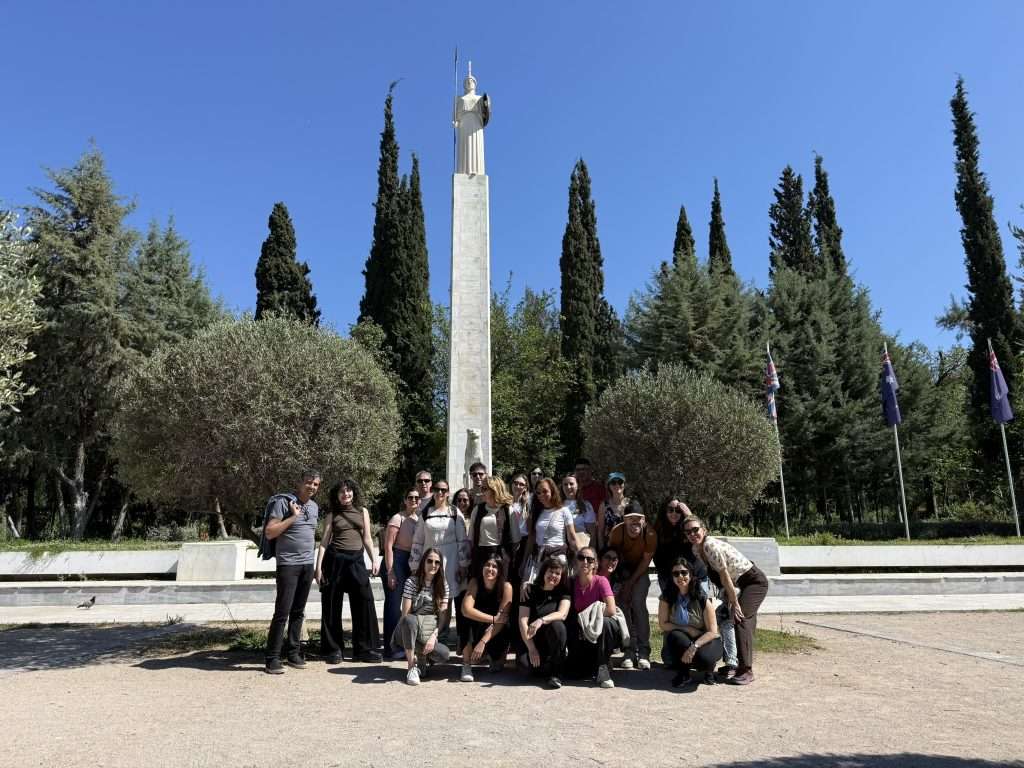
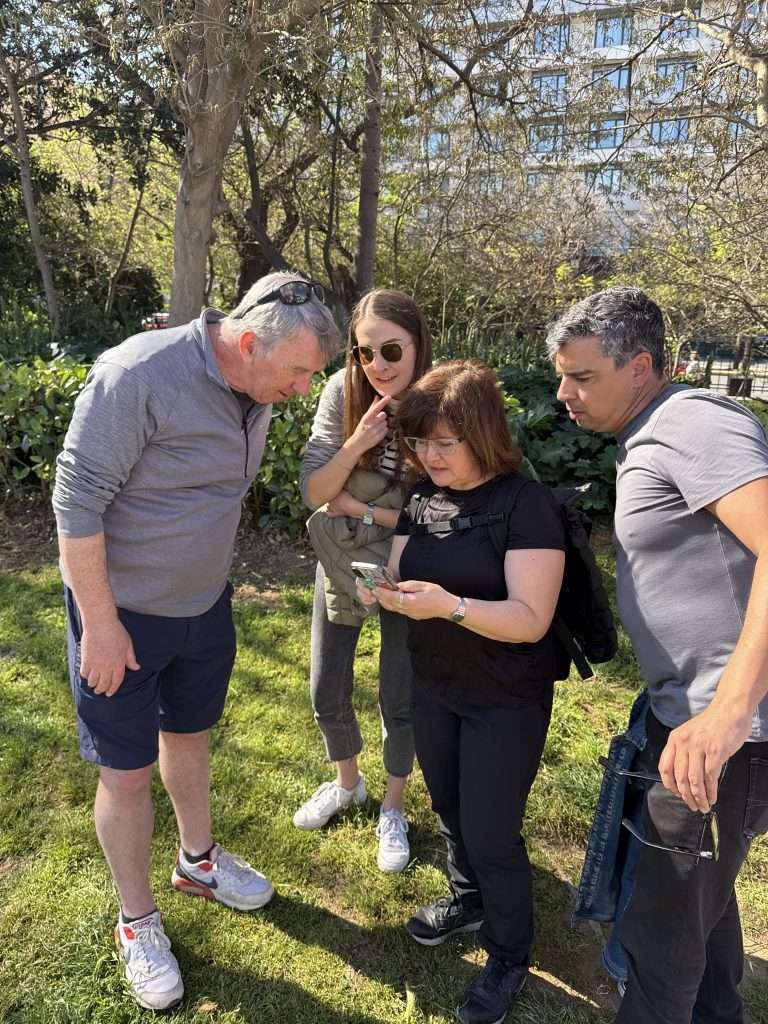
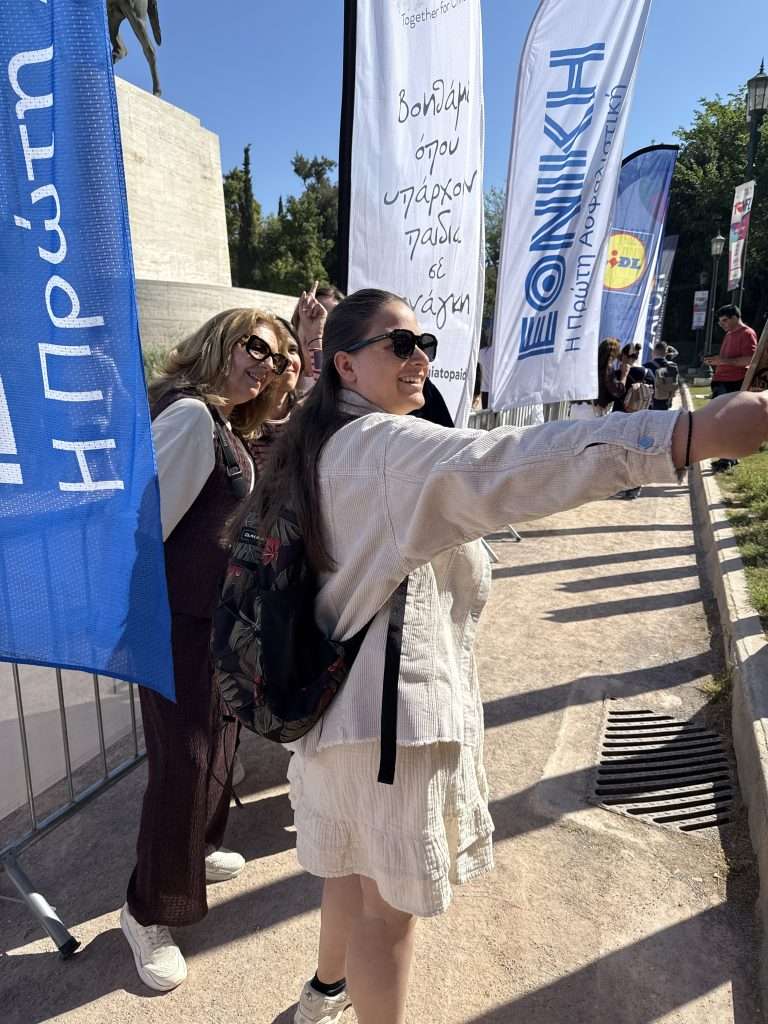
The final part of the course brought learning into a more dynamic context. An outdoor, game-based activity invited participants to engage with diversity beyond the classroom, working in teams to solve challenges a reflect on real-life situations. Back in the training space, the group focused on themes of representation and belonging, considering how to create environments where every student feels included and valued.
The course concluded with a closing activity centred on gratitude, followed by the certificate ceremony, an opportunity to acknowledge both individual contributions a shared learning experience.
By the end of the week, participants had developed not only practical ideas to bring into their classrooms, but also a deeper awareness of their own perspectives. More than anything, the course highlighted that intercultural learning is not a fixed method, but an ongoing process, one that grows through reflection, dialogue, and everyday practice.
Zjistěte více o tomto kurzu zde.
Where this course took place: Erasmus courses for teachers in Athens
Planning your own Erasmus+ course? Stáhněte si katalog kurzů 2026-2027
 English (UK)
 Español
 Italiano
 Deutsch
 Română
 Български
 Čeština
 Ελληνικά
 Polski
 Português
 Français