The duty of an educator involves sharing knowledge with their students and nurturing their development of specific skills and capabilities. On the other hand, a coach is tasked with supporting and motivating their pupils through active listening, thoughtful questioning, and introducing challenges. While these roles may initially appear distinct, consider the impact if a teacher were to integrate coaching principles into their classroom, becoming a source of motivation as well.
This concept was fundamental during the new edition of the course “AI in Education: Transforming Teaching and Learning” that took place in Bologna from 17/05/2026 – 23/05/2026. The participants came from all over the world including Jason from Kiapoi High School in New Zealand; Koen from Sint-Ursula instituut in Belgium; Pedro from Blanquerna – Universitat Ramon Llull in Spain; Monika from Omnia in Finland; Minna, Maja, and Anna-Karin from Hermods Yrkeshögskola in Sweden; Eva and Marie from Linköping University in Sweden; and Thao from Linköping university in Sweden.
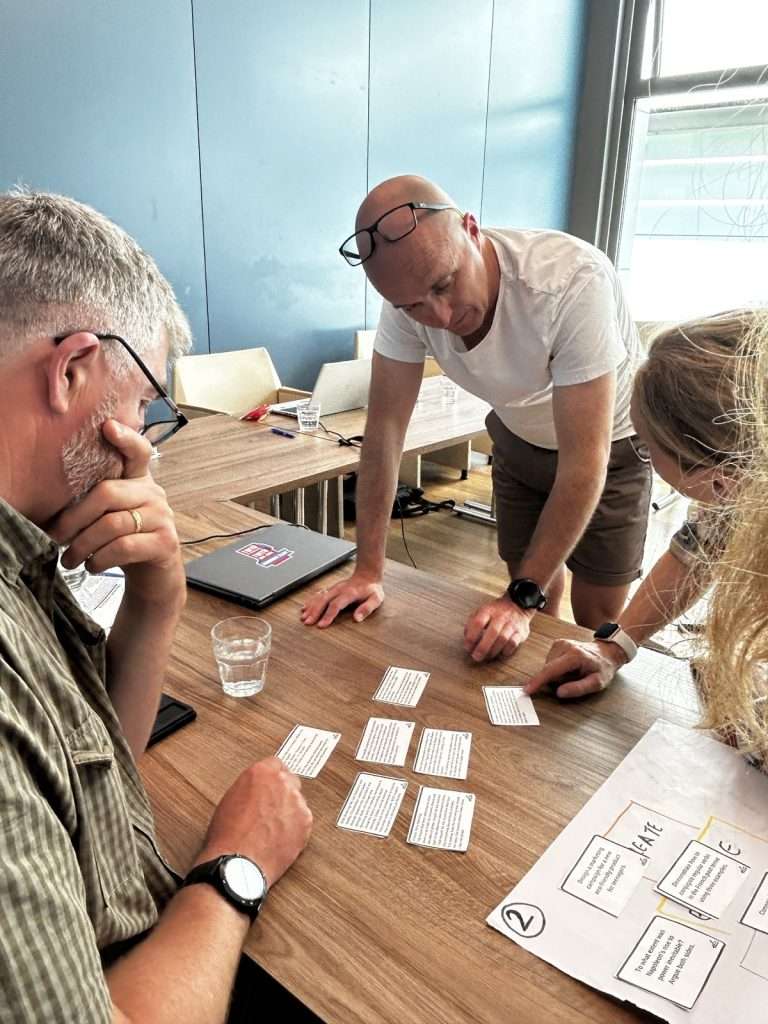
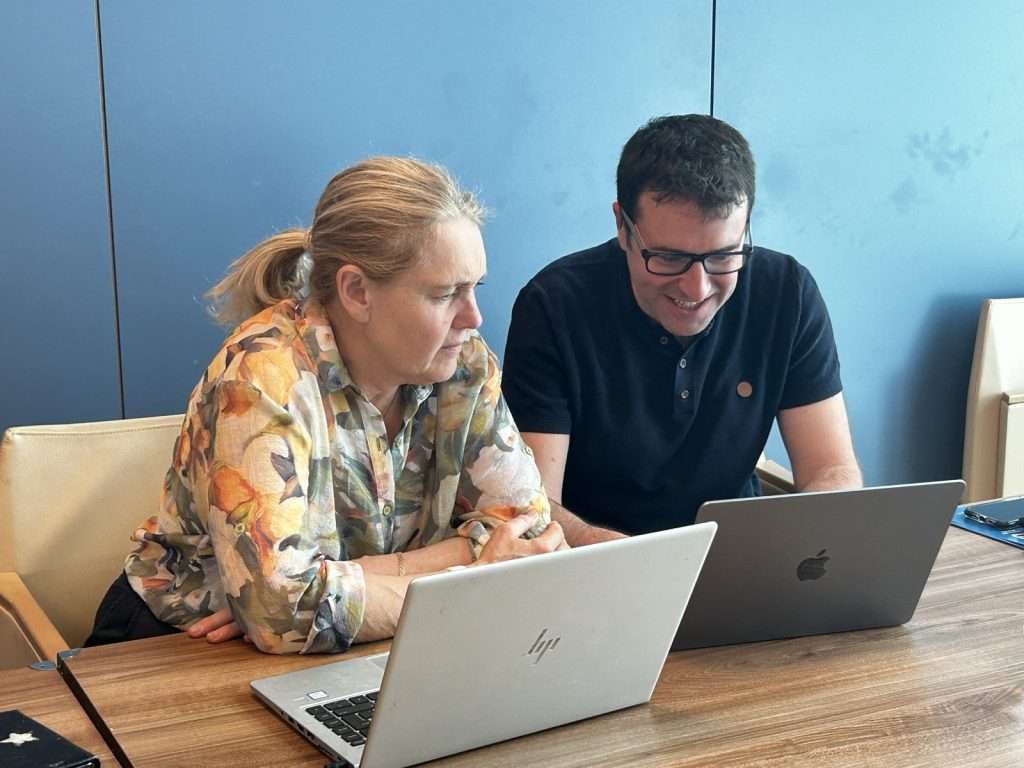
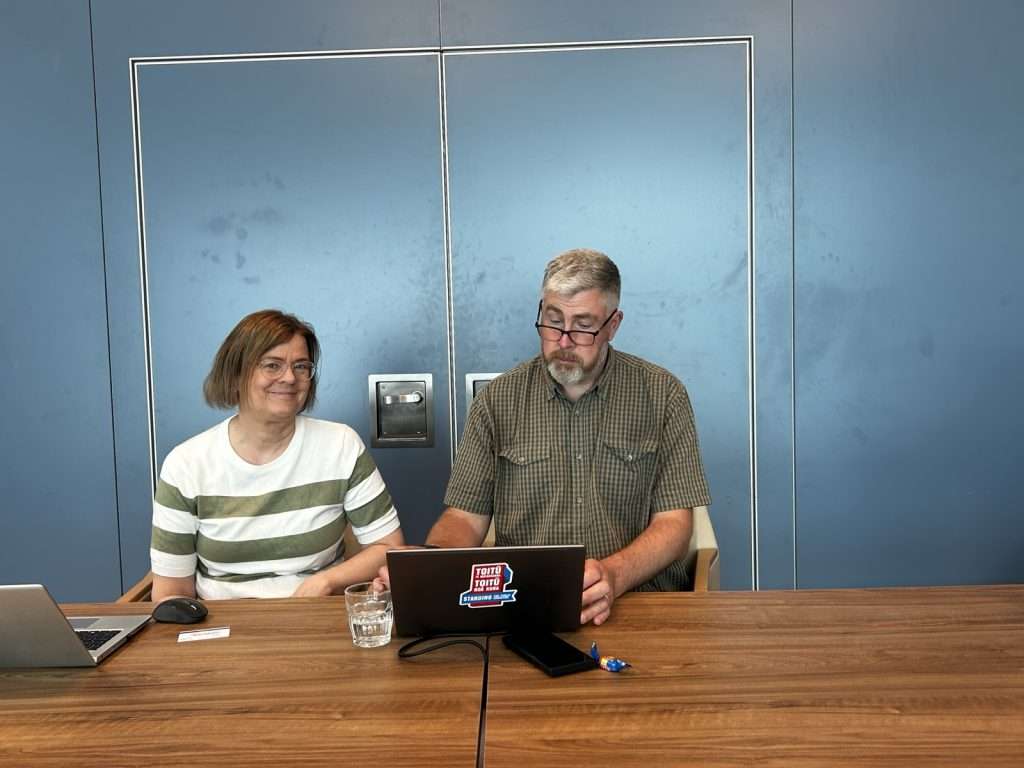
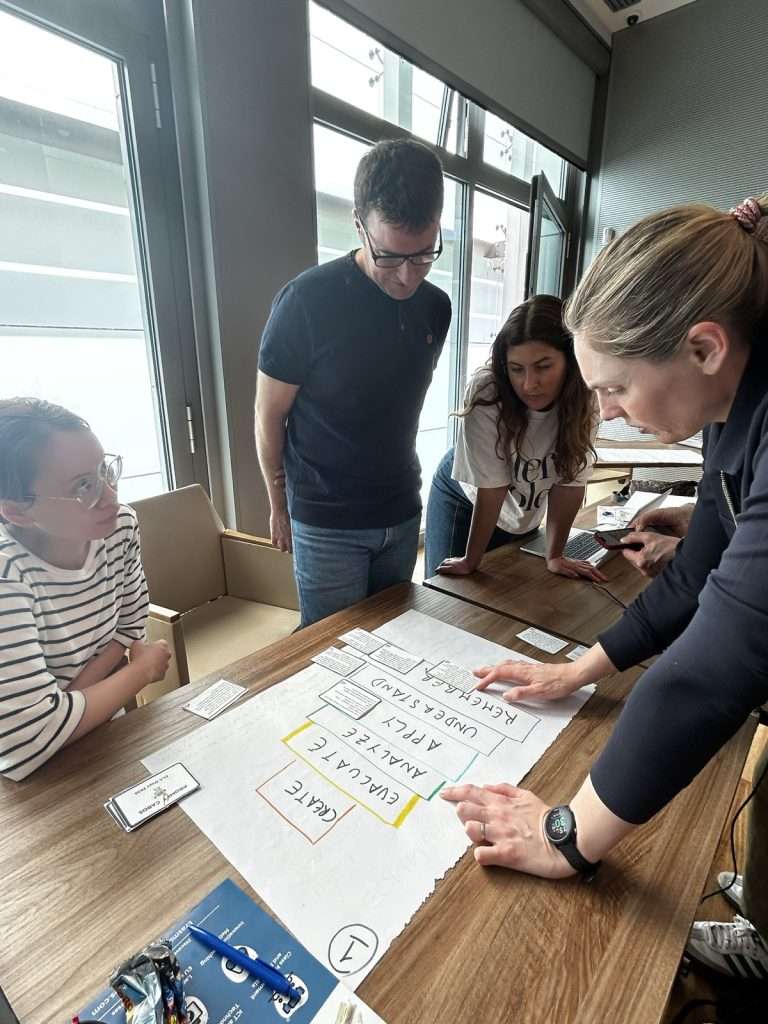
The initial subject explored in the session was the significance of AI in education. This includes understanding how AI can enhance learning experiences by personalizing content, automating administrative tasks, and providing data-driven insights. Participants examined AI-powered tools that can be used to support teaching.
One of the primary focuses was on the importance of promoting in using generative AI tools. Effective prompting can significantly influence the quality of responses generated by AI, making it a crucial skill for educators. Participants practiced crafting precise and contextually appropriate prompts to maximize the utility of Chat GPT and similar tools in classroom settings.
Another crucial topic was the ethical implications of AI in education, covering aspects like bias in algorithms, privacy concerns, and the necessity for clear policies to govern AI use. Understanding these ethical dimensions is essential to ensure AI applications are fair, transparent, and beneficial for all students.
The course also delved into integrating ICT tools with AI features, highlighting tools that enhance collaboration, creativity, and critical thinking among students. Participants were encouraged to explore various ICT applications and consider how these can be augmented with AI capabilities to improve learning outcomes. Participants also discussed how their students and colleagues spark their critical thinking to evaluate AI generated outputs.
The participants also had the possibility of acquiring knowledge of European and international legislative frameworks and guidelines for AI integration in education. They tested AI tools to create interactive presentations while expanding the group toolbox thanks to participants suggestions and contributions. .
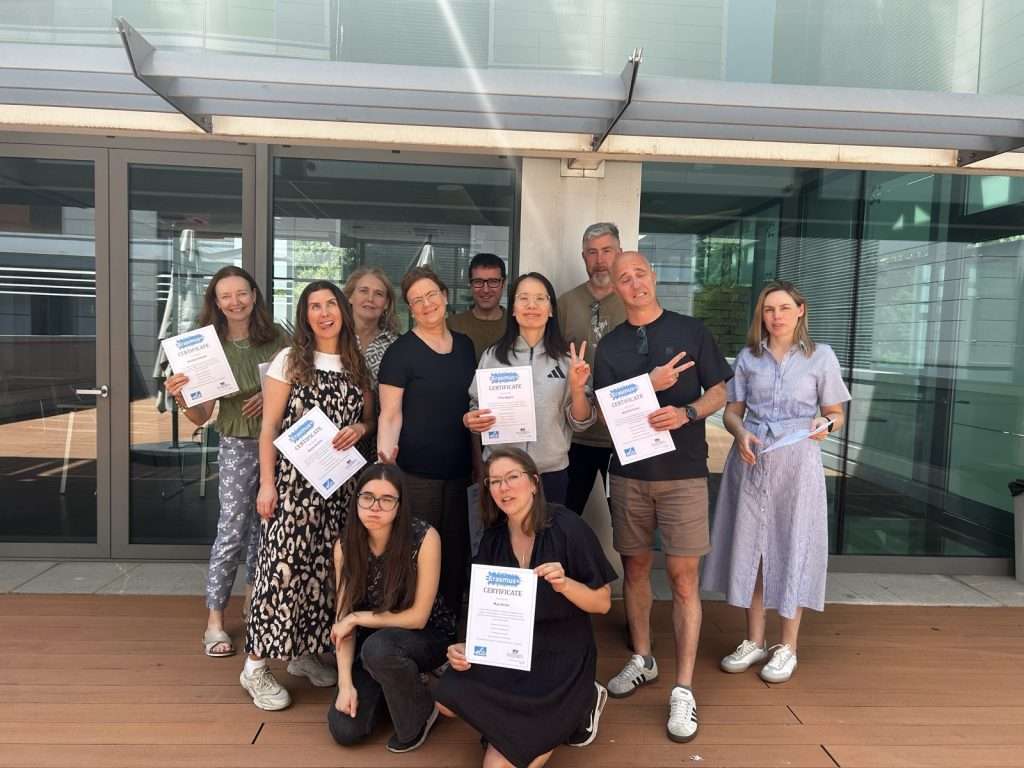
Throughout this training week, participants had the opportunity to share their collective experiences and gain insights from diverse cultural backgrounds. This collaborative environment facilitated the acquisition of AI and coaching skills and provided a platform for participants to explore applying these skills within their classrooms and colleagues.
Zjistěte více o tomto kurzu zde.
Where this course took place: Erasmus courses for teachers in Bologna
Planning your own Erasmus+ course? Stáhněte si katalog kurzů 2026-2027
 English (UK)
 Español
 Italiano
 Deutsch
 Română
 Български
 Čeština
 Ελληνικά
 Polski
 Português
 Français