Teaching is not only about explaining concepts or delivering knowledge. In many learning situations, educators also need to listen carefully, ask the right questions, understand different perspectives, and help learners find their own ways forward. Coaching skills can support this side of teaching by creating more space for reflection, independence, and meaningful communication.
This perspective was at the centre of the course “Coaching skills for teachers, school and adult education staff”, held in Bologna, Italy, from 06/09/2026 to 12/09/2026. The training brought together four education professionals from different European contexts: Nadine from BSC Murau in Austria; Mohcine from the American Language Center Mohammedia in Morocco; Jan from Marie-Curie Oberschule Dohna in Germany; and Fabia-Patrizia from Martin-Luther-King Gesamtschule Marl in Germany. Their different professional backgrounds and experiences created opportunities to look at coaching in education from several perspectives and to compare approaches used in different learning environments.
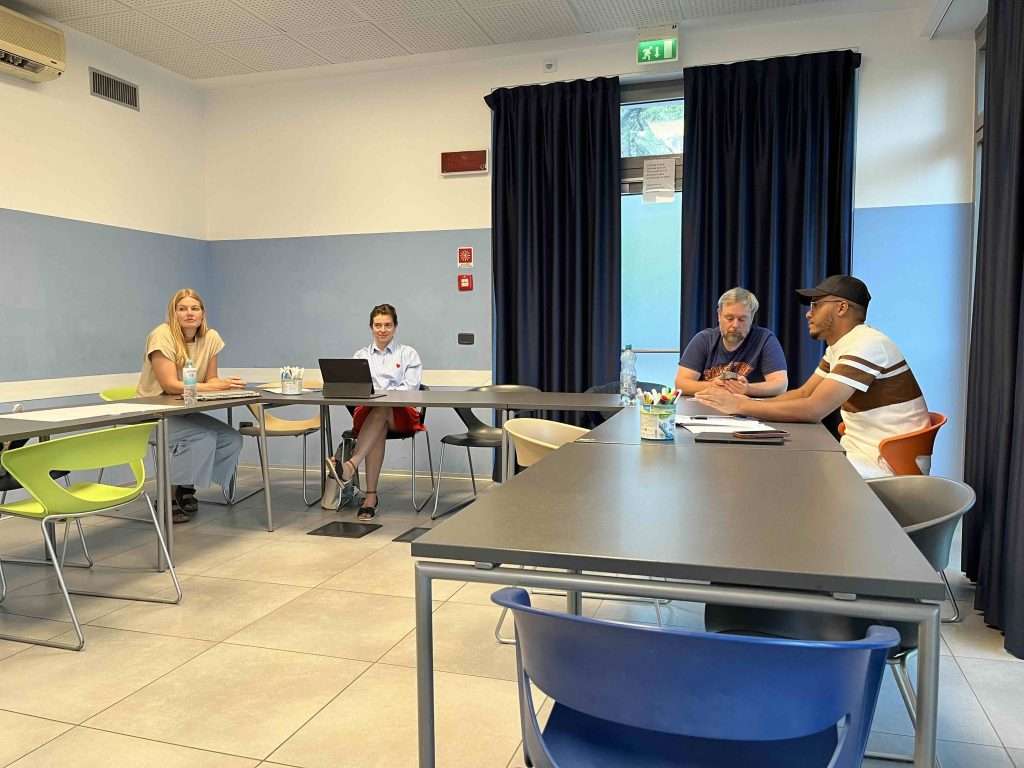
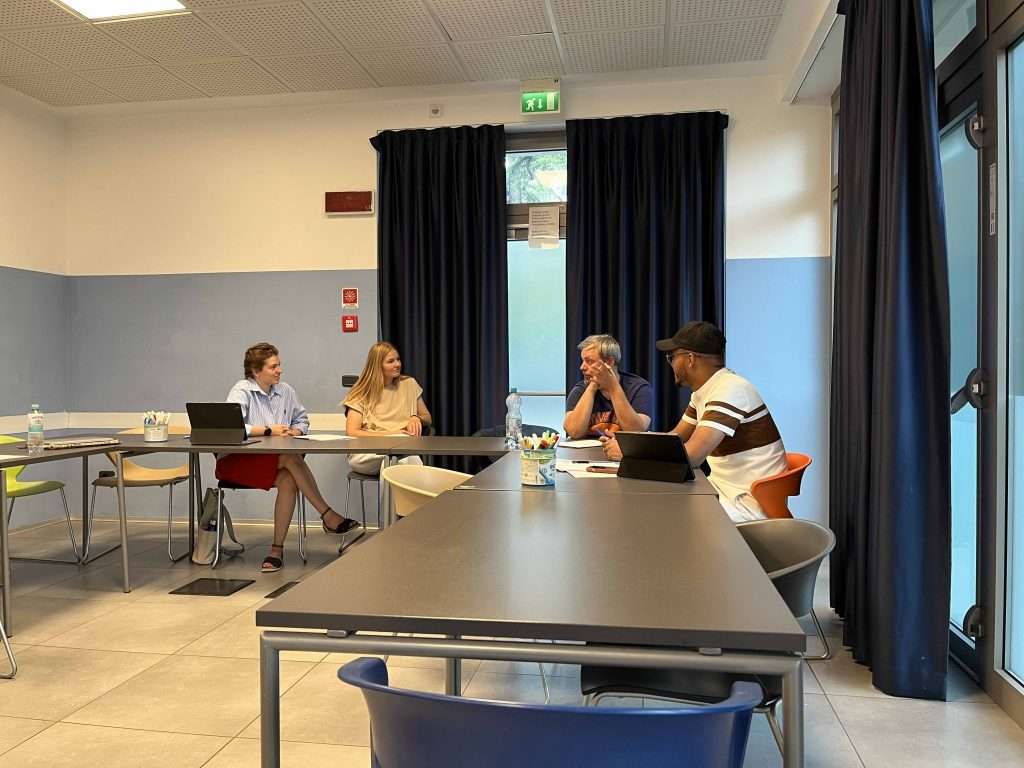
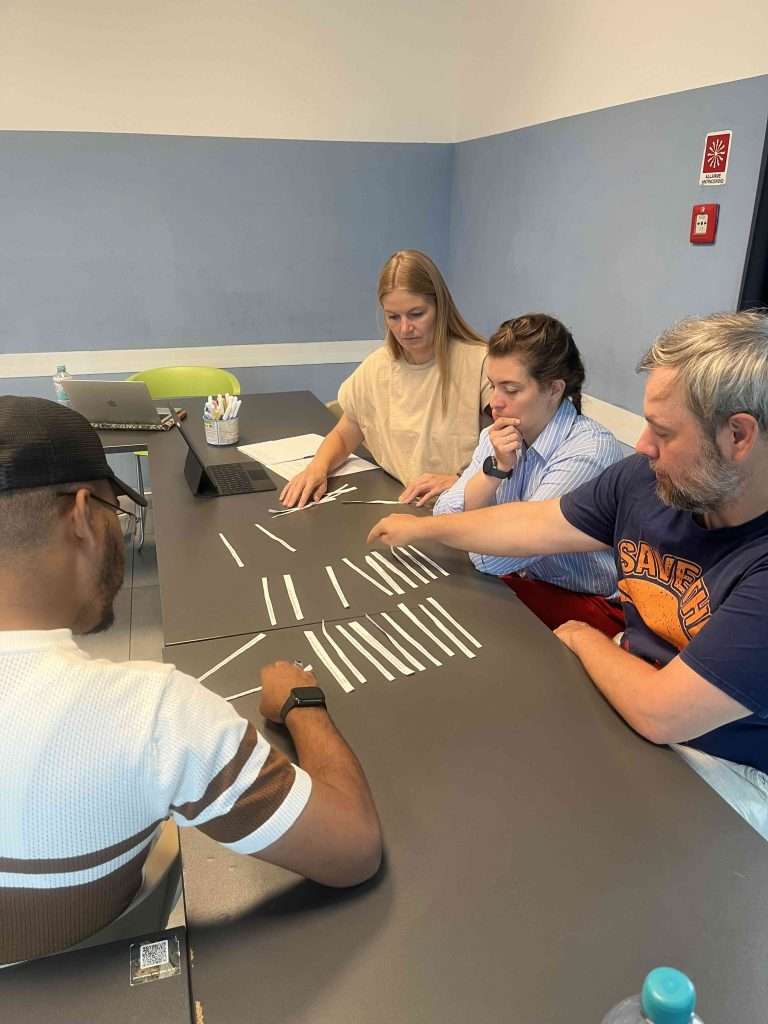
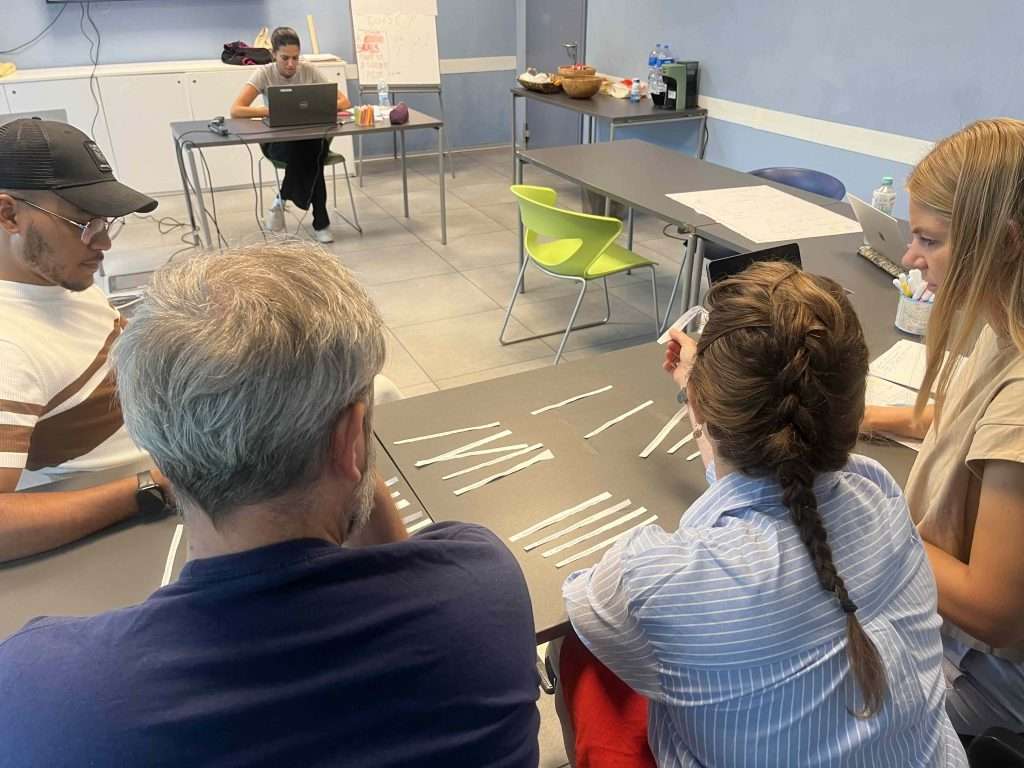
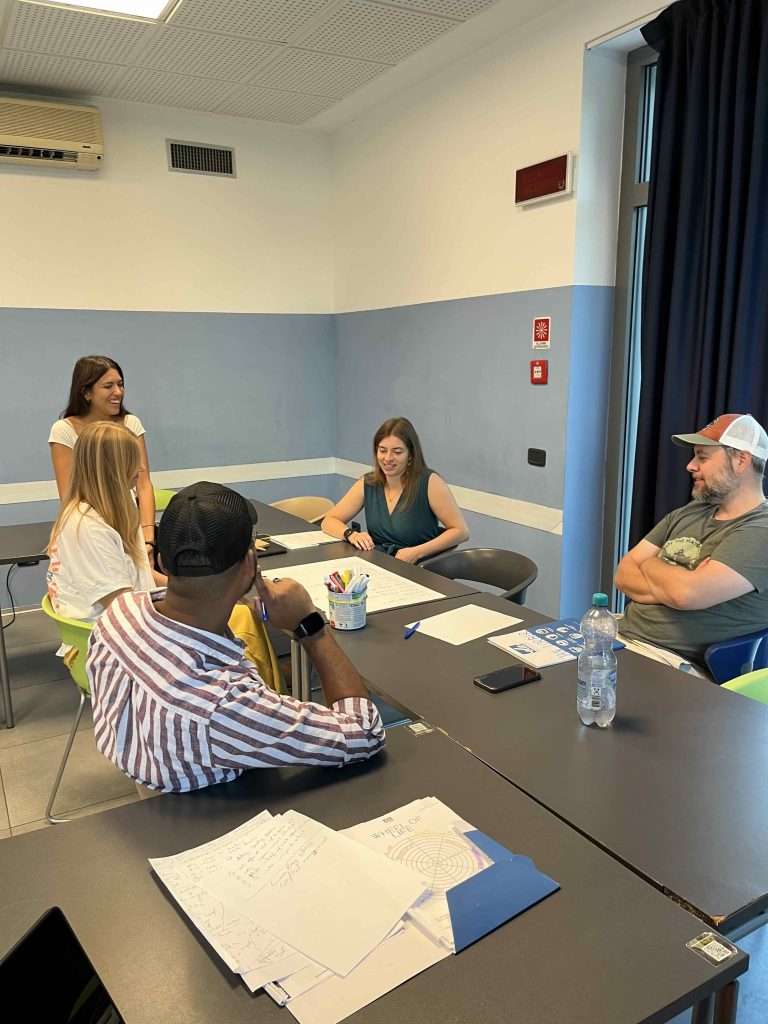
The programme began by building connections within the group and creating a supportive environment for open discussion and exchange. Participants explored the foundations of coaching and considered how coaching differs from traditional teaching, while also identifying the areas where the two roles naturally overlap. Particular attention was given to self-awareness, encouraging participants to reflect on their own strengths, resources, challenges, and professional goals. This provided a useful starting point for considering how an educator’s own attitudes and communication style can influence the learning process.
As the course progressed, the focus moved towards practical coaching competences that can be applied in everyday educational situations. Emotional intelligence was an important part of the programme, with participants exploring how emotions affect communication, relationships, motivation, and the overall learning environment. They considered ways of recognising and managing emotions while also becoming more attentive to what learners may be experiencing. The group also worked on goal setting, looking at how educators can support learners in defining clear and realistic objectives and taking greater responsibility for their own progress.
Another important part of the training focused on questioning and communication. Through practical activities and shared reflection, participants examined how powerful, well-timed questions can encourage learners to think more deeply instead of simply waiting for an answer from the teacher. The sessions also highlighted the importance of active and intentional listening, as well as non-directive communication that gives learners room to explore their own ideas and solutions. These approaches can be particularly valuable when working with students or adult learners who need encouragement to become more confident and independent.
Towards the end of the course, participants explored more challenging situations that educators regularly face, including conflict management and constructive feedback. They considered how conflicts can be approached through dialogue and careful communication, rather than simply trying to resolve them as quickly as possible. Feedback strategies were also practised with an emphasis on making feedback useful, respectful, and supportive of further development. These skills can help educators address difficulties while maintaining positive relationships and encouraging learners to remain engaged with their goals.
Throughout the week in Bologna, learning was closely connected with discussion, practice, and the exchange of professional experiences. Rather than focusing only on theoretical concepts, the course gave participants opportunities to consider how coaching techniques could fit into their own educational settings. The international composition of the group added another dimension to the experience, allowing participants to compare perspectives from Austria, Morocco, and Germany and to reflect on the different needs and realities of learners.
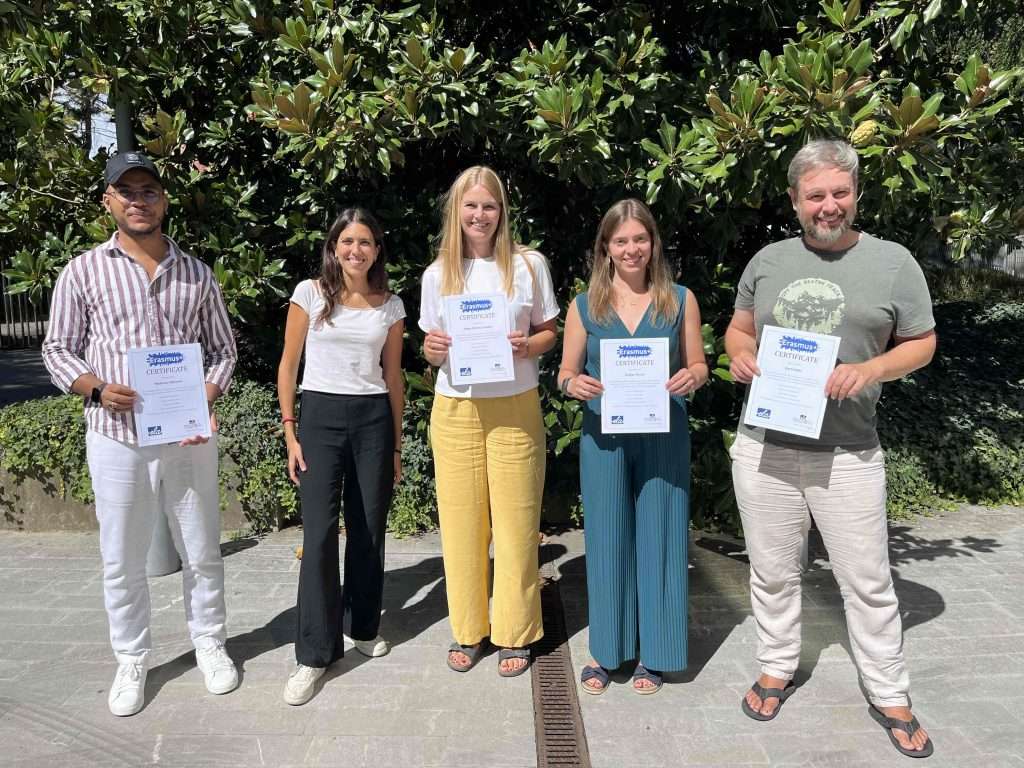
By the end of the training, participants had developed a broader understanding of how coaching can complement their existing roles as educators. They gained practical approaches for listening more effectively, asking meaningful questions, supporting goal setting, managing challenging conversations, and encouraging greater learner autonomy. Most importantly, the course offered a chance to reflect on teaching as a process that is not only about providing answers, but also about creating the conditions in which learners can think, participate, and take an active role in their own development.
Zjistěte více o tomto kurzu zde.
Where this course took place: Erasmus courses for teachers in Bologna
Planning your own Erasmus+ course? Stáhněte si katalog kurzů 2026-2027
 English (UK)
 Español
 Italiano
 Deutsch
 Română
 Български
 Čeština
 Ελληνικά
 Polski
 Português
 Français