The role of education is no longer limited to transmitting knowledge; it also involves preparing teachers and students to effectively use digital tools in a rapidly evolving technological environment. Today, understanding Artificial Intelligence and tools such as ChatGPT is becoming an essential skill in schools and education, as AI is increasingly integrated into teaching practices, learning methods, and everyday academic tasks. From lesson planning and personalized learning support to content creation and student engagement, AI technologies are transforming the way teachers teach and students learn, making education more interactive, accessible, and adaptive.
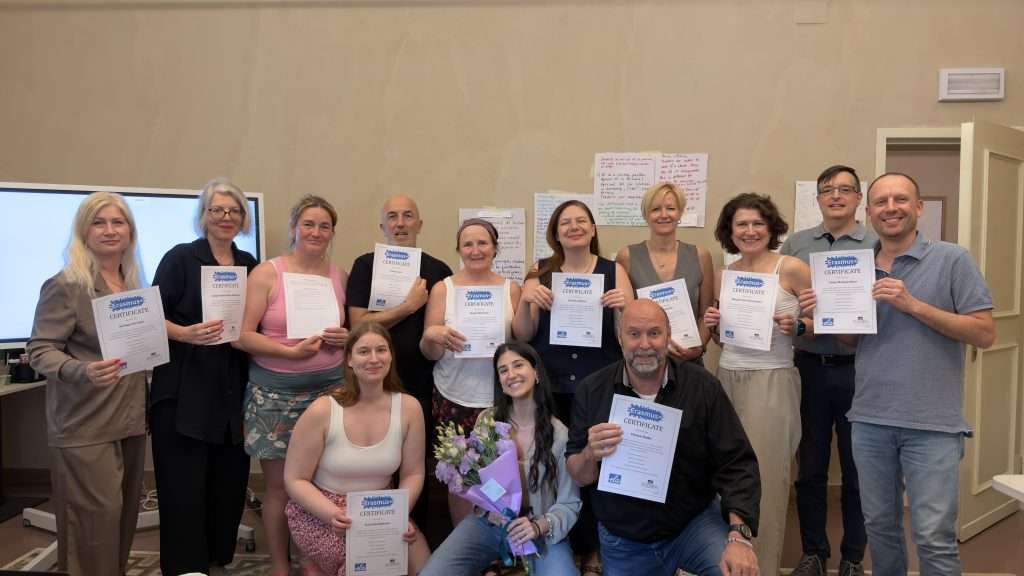
This idea was central to the latest edition of the course “ChatGpt a AI pro učitele: Umělá inteligence ve školách a ve vzdělávání“, held in Palermo z 10/05/2026 do 16/05/2026. Participants arrived from across Europe, including Pedro from Colégio Valsassina (Portugal), Marcus and Kaia from Hugo Treffner Gymnasium (Estonia), Thomas from PBW Bremen, Paritätisches Bildungswerk Bremen (Germany), Neringa and Jurga from LKNUC (Lithuania), Iñaki from EPA Paulo Freire, CEPA Paulo Freire HHI (Spain), Margrét from The University of Akureyri (Iceland), Karolina, Helena and Honore from Limerick and Clare Education and Training Board (Ireland), and Katja from Goethe-Gymnasium Stolberg (Germany).
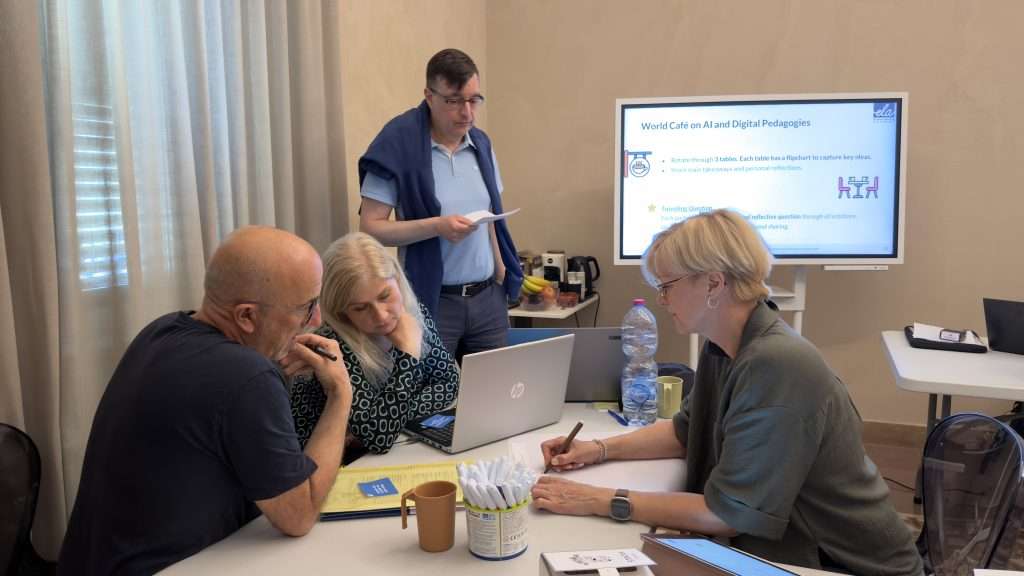
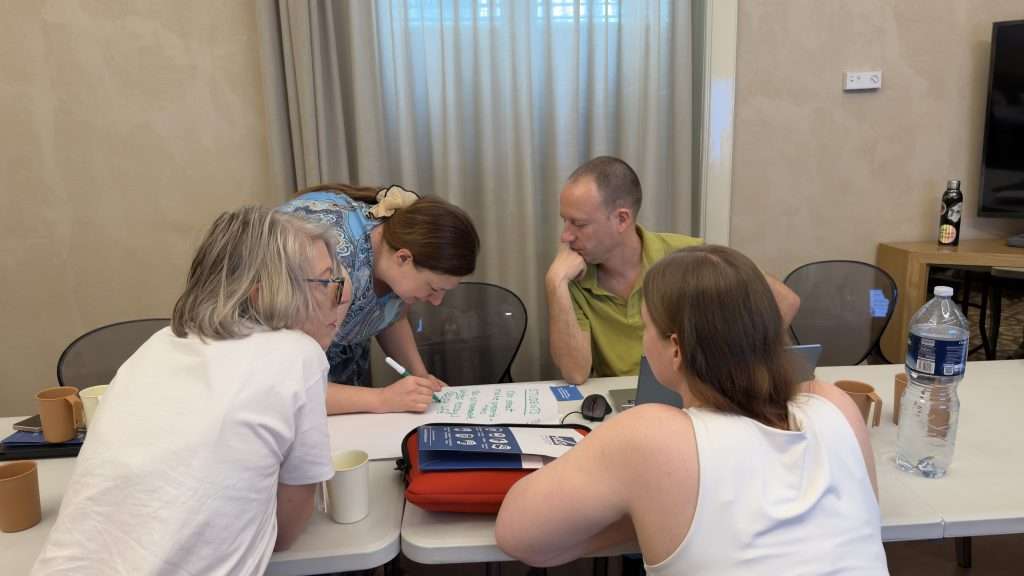
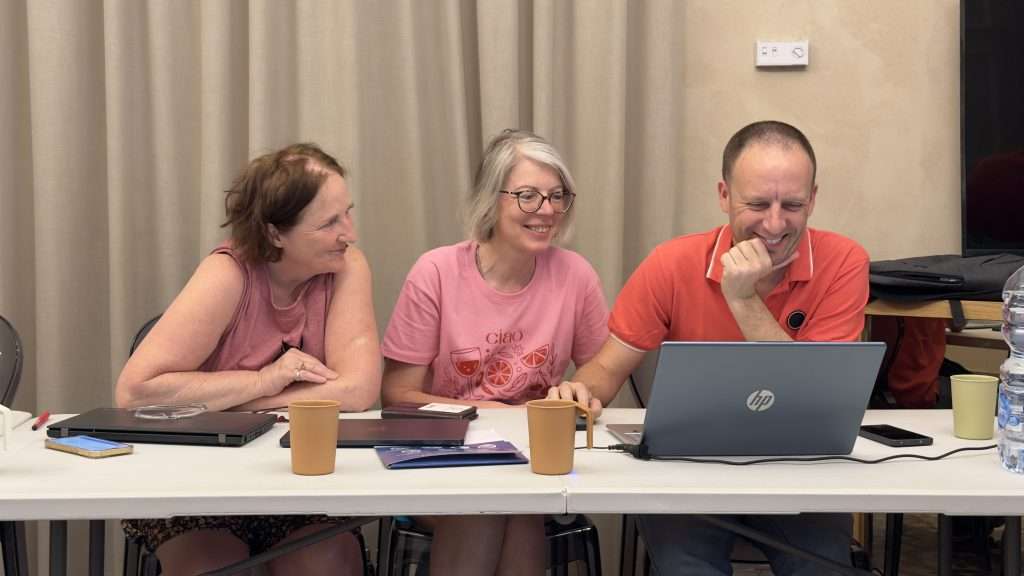
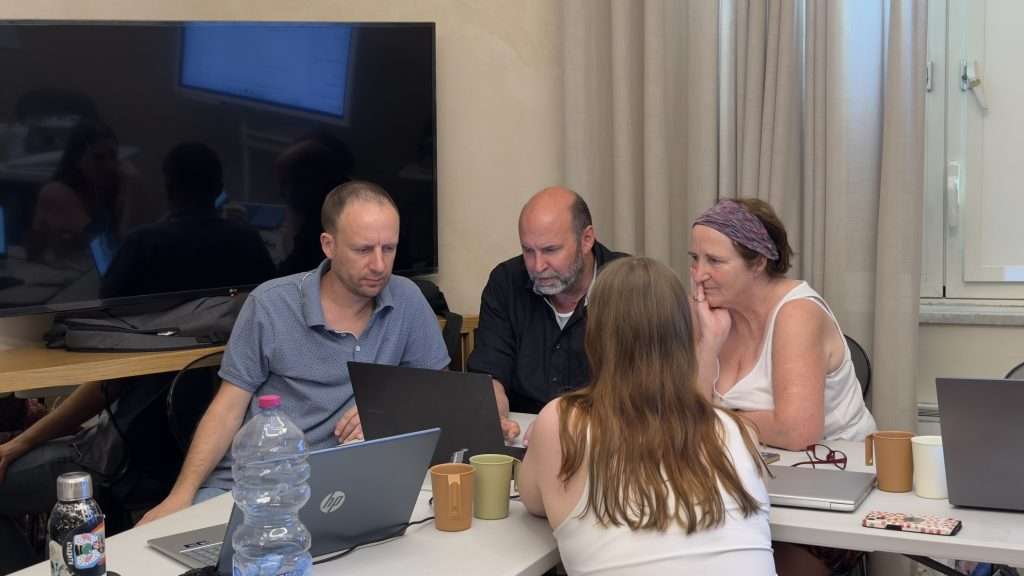
The course began with an exploration of the role of artificial intelligence in education. Participants examined how AI can enhance learning by personalizing educational content, automating repetitive tasks, and providing data-driven insights into students’ progress and needs. They also discovered several AI-based tools designed to support teaching, including intelligent tutoring systems and adaptive learning platforms.
A major focus of the course was prompt writing for ChatGPT. Participants learned that the quality and precision of prompts strongly influence the relevance and usefulness of AI-generated responses, making it an essential skill for teachers. Through practical activities, they practiced creating clear, structured, and context-specific prompts in order to effectively integrate ChatGPT into classroom activities and lesson planning. The course also introduced participants to a range of general-purpose chatbots, allowing them to compare their features, strengths, and limitations with ChatGPT. After gaining this broader overview of AI conversational tools, participants explored chatbots specifically designed for educational purposes and examined how these tools can support teaching, student engagement, personalized learning, and classroom management.
Ethical considerations related to AI in education were also addressed. Discussions covered issues such as algorithmic bias, data privacy, transparency, and the importance of establishing clear guidelines for responsible AI use in schools. Understanding these concerns is essential to ensure that AI technologies are applied in a fair, transparent, and ethical way that benefits all learners.
Another important aspect of the training was the integration of ICT tools enhanced by AI functionalities. Participants explored applications designed to foster collaboration, creativity, communication, and critical thinking. They were encouraged to experiment with different digital tools and reflect on how AI features could enrich the learning experience and increase student engagement.
Assessment methods in AI-supported education were also an important discussion point. The course highlighted innovative evaluation methods that use AI to support continuous assessment, provide immediate feedback, and adapt instruction to individual learning needs. Particular attention was given to the potential of AI to make evaluation more personalized, efficient, and responsive.
Throughout the week, participants exchanged ideas, experiences, and perspectives shaped by their diverse cultural and educational backgrounds. This collaborative environment encouraged the development of both AI-related competencies, while also giving participants the opportunity to reflect on how these approaches could be applied within their own teaching contexts.
Zjistěte více o tomto kurzu zde.
Where this course took place: Erasmus courses for teachers in Palermo
Planning your own Erasmus+ course? Stáhněte si katalog kurzů 2026-2027
 English (UK)
 Español
 Italiano
 Deutsch
 Română
 Български
 Čeština
 Ελληνικά
 Polski
 Português
 Français