The role of education is not only to transmit knowledge but also to equip learners with practical skills that help them navigate an increasingly digital world. Today, understanding Artificial Intelligence is becoming an essential competency, as AI technologies are integrated into many aspects of everyday life. From communication and entertainment to healthcare and online services, AI tools are transforming the way people interact with technology.
This concept was fundamental during the new edition of the course “Artificial Intelligence – How to Use AI Methods and Tools When Working with Adults” that took place in Tenerife z 11/01/2026 to 22/01/2026. The participants came from Poland, including Krystyna, Ewa, Gizela from Stowarzyszenie Uniwersytet Trzeciego Wieku w Gliwicach; Renata, Wiesława, Zofia from Łowicki Uniwersytet Trzeciego Wieku; Grażyna, Anna, Grażyna from Radomszczański Uniwersytet Trzeciego Wieku „Wiem Więcej”.

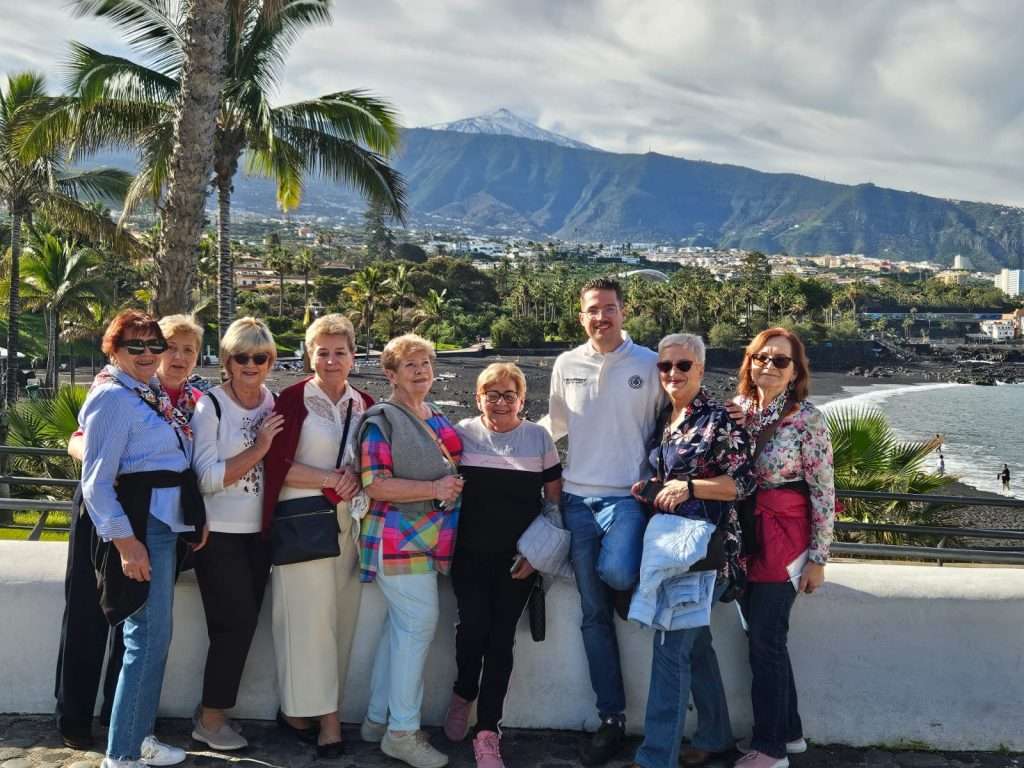
The course began with an introduction session where participants shared their needs and expectations. This was followed by a discussion about what Artificial Intelligence is, including a simple explanation of its history and the difference between AI systems and traditional software. Participants explored examples of AI used in everyday life such as smartphones, voice assistants, and recommendation systems.
Another important focus of the course was AI in communication and media. Participants learned about AI-powered tools used for text messaging, voice-to-text conversion, and automatic translation. Through practical activities, they experimented with voice assistants such as Google Assistant and Siri. They also explored how recommendation systems personalize content on platforms like YouTube, Netflix, and Spotify.
The training also introduced AI tools that support writing, reading, and organization of information. Participants practiced using smart writing assistants such as Grammarly and features in Google Docs, while also learning smart search techniques and AI-based organization tools like Google Photos.
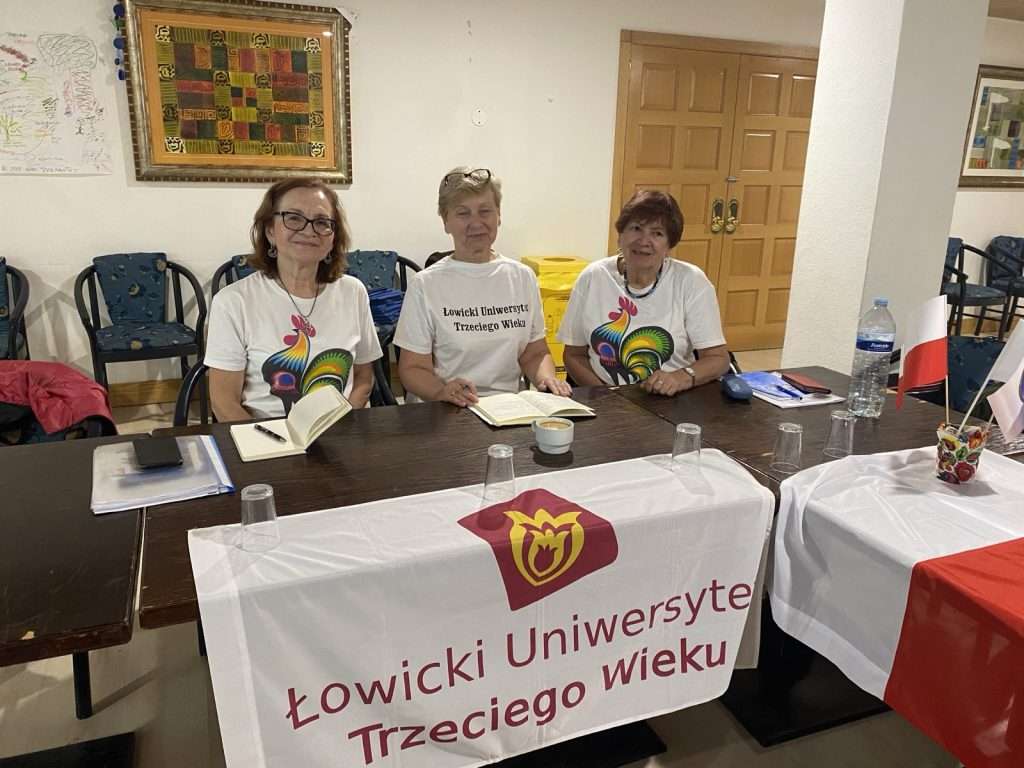
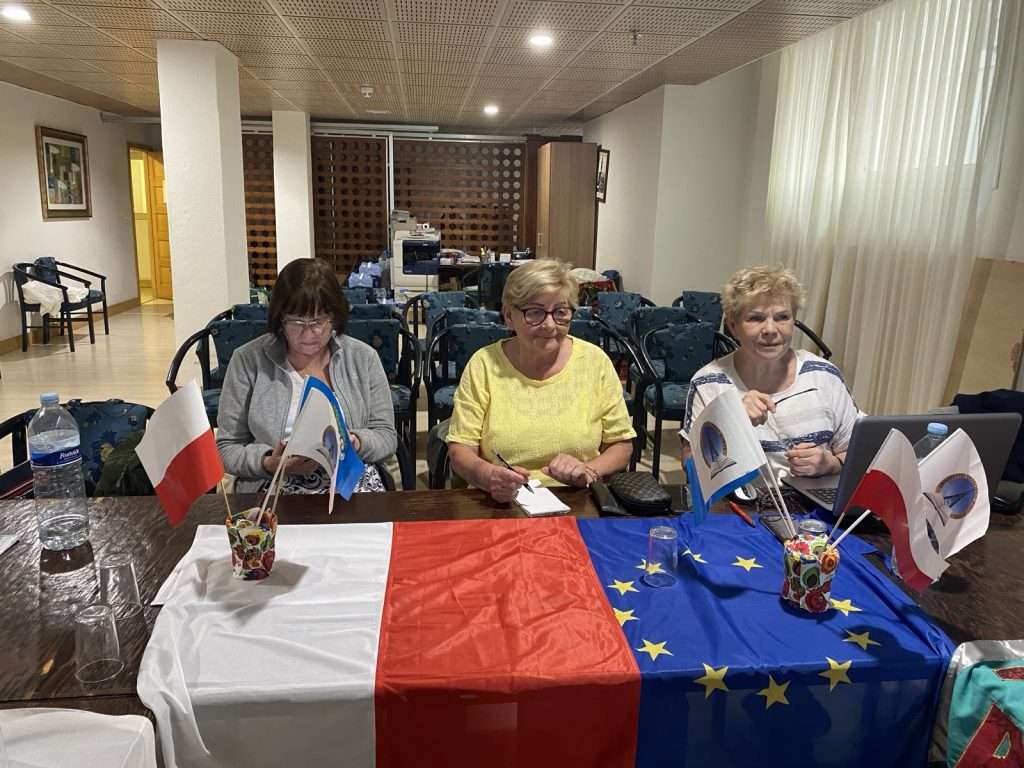
Another topic discussed was the role of AI in online services such as shopping and banking. Participants explored how platforms like Amazon and eBay use AI to provide personalized recommendations and improve user experience, as well as how AI is used in banking systems to detect fraud and increase transaction security.
Finally, the course explored the application of AI in health and well-being. Participants learned how smart devices and applications can monitor physical activity and health indicators, and they tried relaxation and mindfulness exercises using apps such as Calm and Headspace. The sessions also introduced AI tools that support telemedicine, medication reminders, and accessibility technologies for people with hearing or visual impairments.
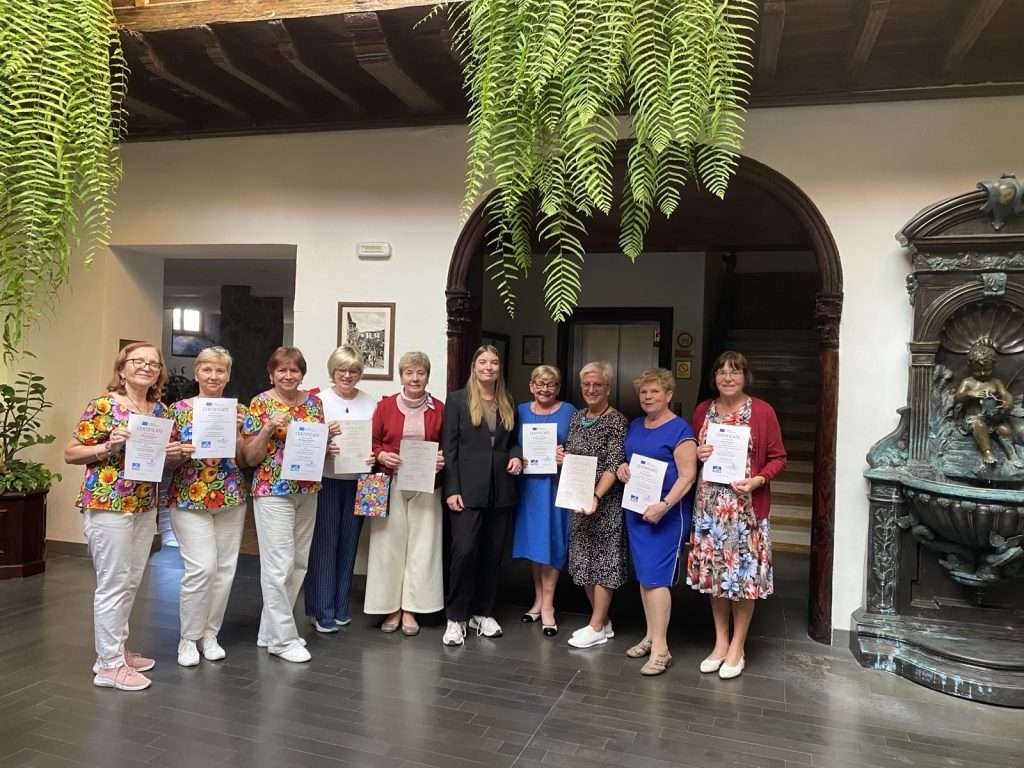
Throughout the training week, participants shared their experiences and explored practical ways to use AI tools in everyday life. The collaborative environment allowed them to strengthen their digital skills while reflecting on the responsible and effective use of Artificial Intelligence in modern society
Discover more about Tenerife courses zde.
Where this course took place: Erasmus courses for teachers in Tenerife
Planning your own Erasmus+ course? Stáhněte si katalog kurzů 2026-2027
 English (UK)
 Español
 Italiano
 Deutsch
 Română
 Български
 Čeština
 Ελληνικά
 Polski
 Português
 Français