Podpora duševního zdraví žáků nikdy nebyla důležitější. Učitelé si často jako první všimnou, když má žák potíže, a to, jak na to zareagují, může mít zásadní význam. Od 6 to 12 September 2026, pedagogové z celé Evropy se sešli v Palermo pro kurz Podpora duševního zdraví a pohody žáků ve školách: strategie pro učitele a pedagogické pracovníky, týden věnovaný porozumění, podpoře a posilování duševní pohody ve třídě.
The group brought together a mix of experiences and backgrounds. From Polsko came Monika and the two Magdalena from Zespół Szkół Mechanicznych w Rzeszowie, Dóra joined from Barcsi Széchényi Ferenc Gimnázium in Hungary, a Terhi from Suomen ympäristöopisto Sykli in Finsko. Claire represented Lycée sainte odile in France.
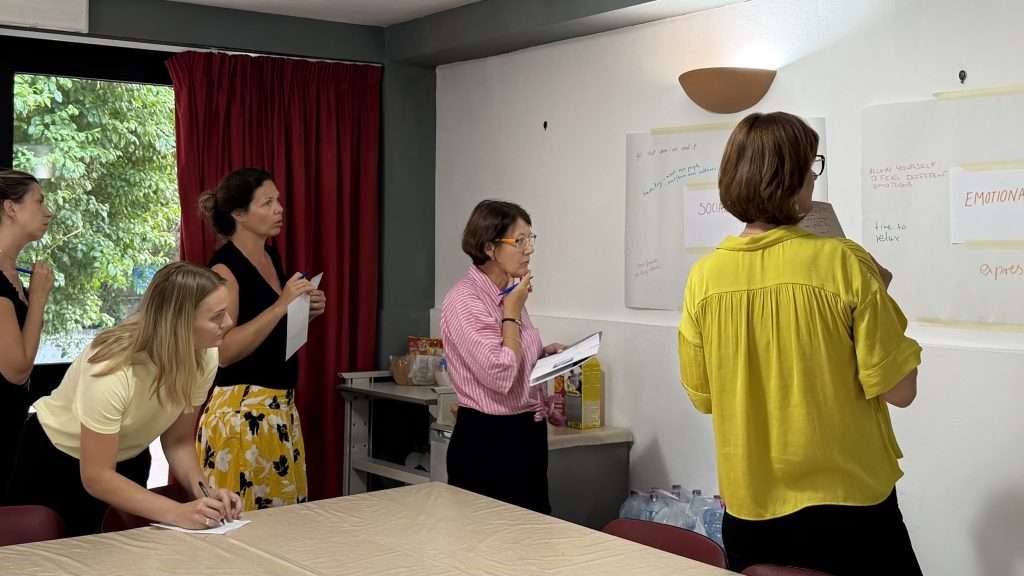
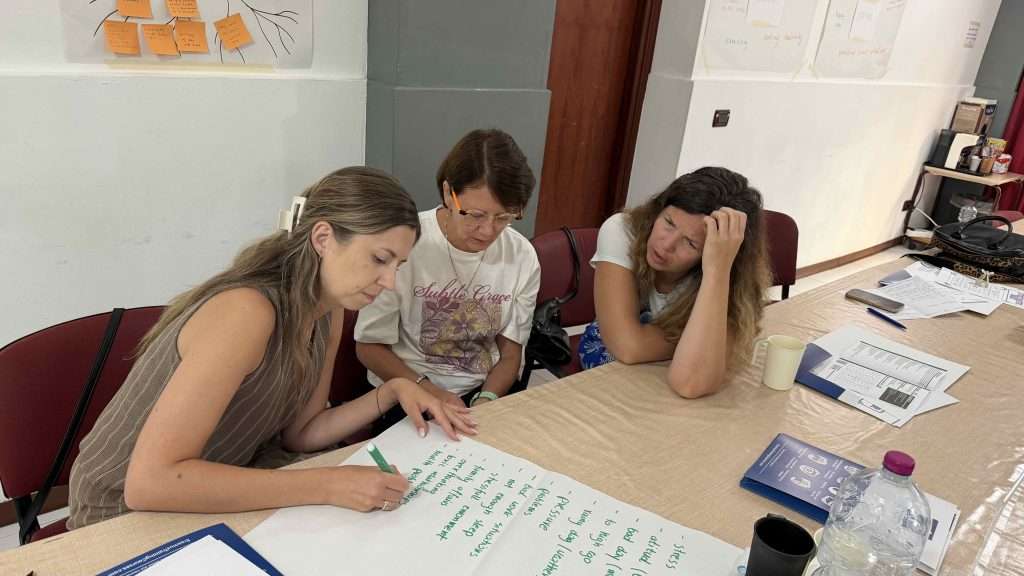
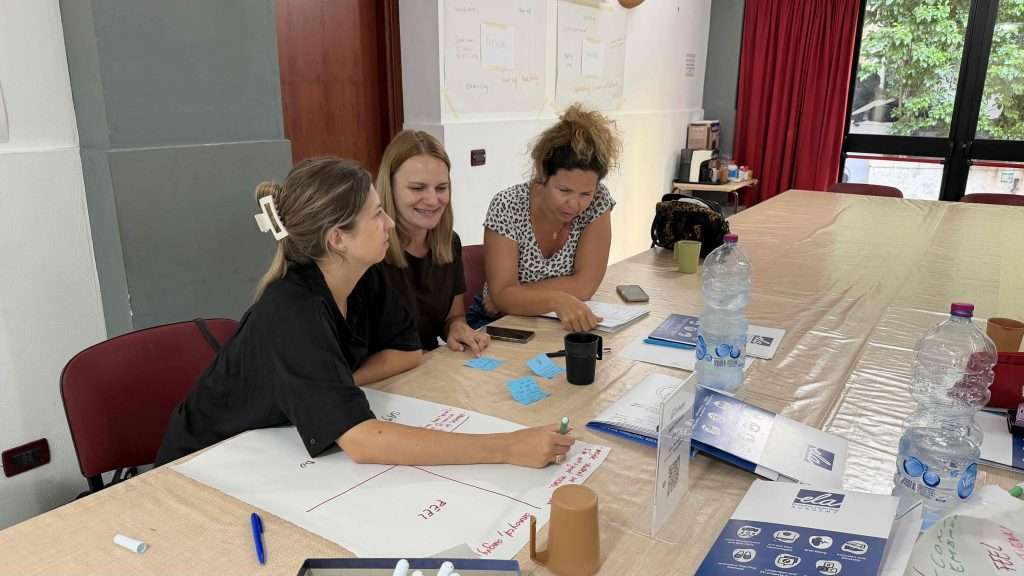
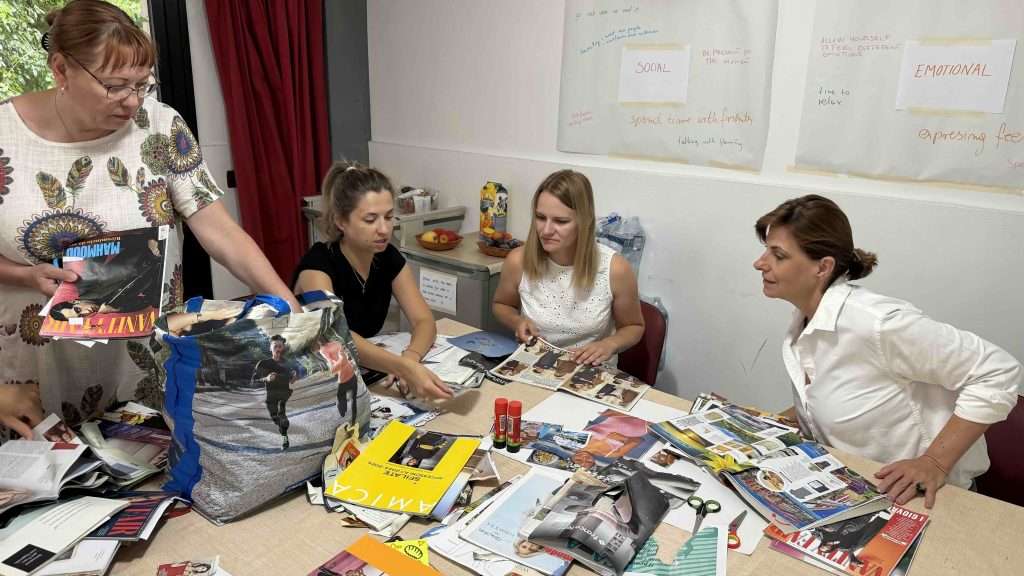
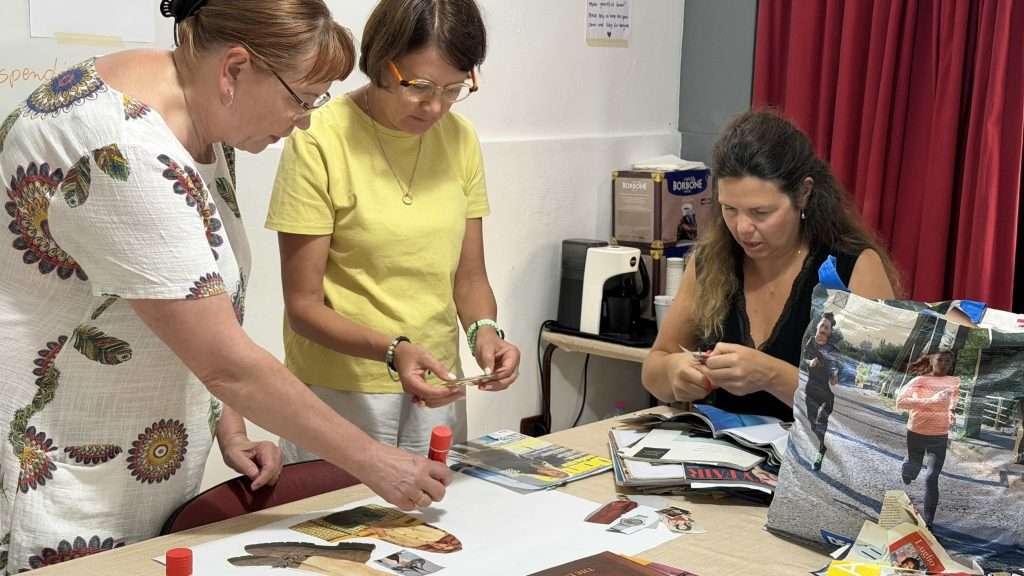
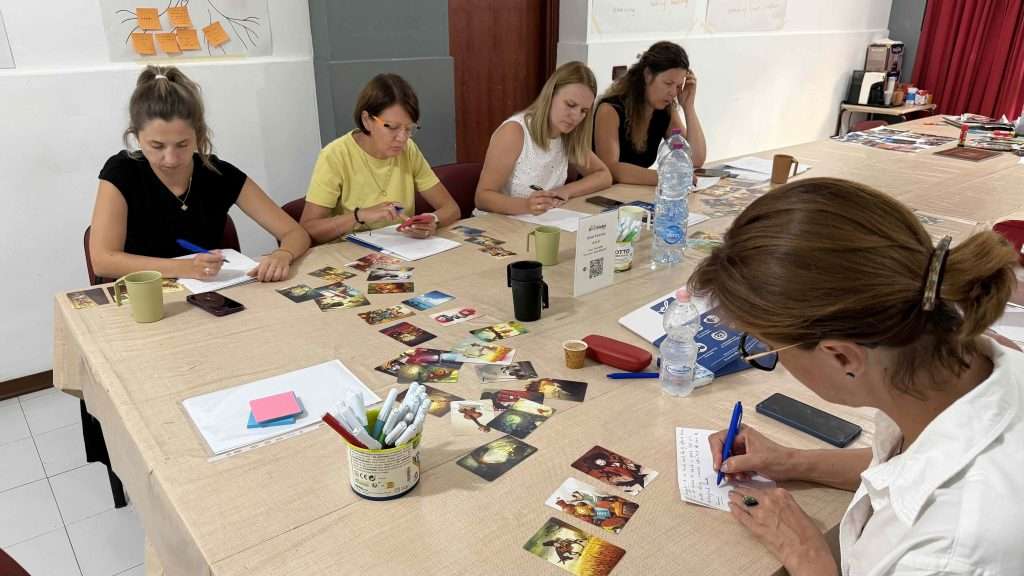
The week began with introductions and an overview of duševní zdraví a pohoda ve školách, exploring what these terms mean, why they matter, and how they can affect both learning and relationships. Participants also shared experiences from their own schools and exchanged on the challenges they are currently facing. From there, the group explored ways to raise awareness within the school community, recognise early signs of difficulties, and build a culture that encourages openness and support.
Zavedeny jsou tréninky uprostřed týdne emocionální inteligence, focusing on understanding emotions in ourselves and others and using this awareness to build trust, empathy, and stronger classroom relationships. The final sessions explored cognitive and behavioural strategies, giving participants practical tools and activities that they could adapt to different age groups and learning contexts.
Participants also explored how mindfulness and sensory-based activities can help students regulate their emotions and reduce stress during the school day. Through practical activities in the classroom, they experimented with different ways of focusing their attention on their surroundings, their senses, and their emotions. These exercises helped them understand how simple mindfulness techniques can be used in everyday school settings to support students’ well-being, concentration, and emotional regulation.
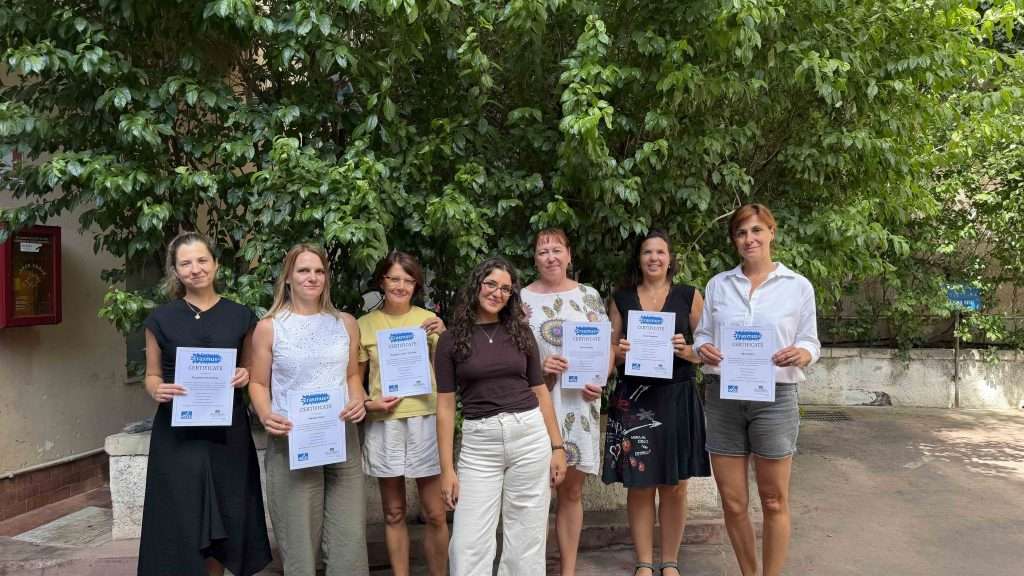
By the end of the course, participants left Palermo with a clearer understanding of how mental health can be addressed in schools, not only in response to difficulties, but also as an ongoing and proactive part of teaching. They returned home with new strategies, activities, and perspectives to share with colleagues and bring into their own classrooms, helping to create school environments where students feel safe, supported, and ready to learn.
Zjistěte více o tomto kurzu zde.
Where this course took place: Erasmus courses for teachers in Palermo
Planning your own Erasmus+ course? Stáhněte si katalog kurzů 2026-2027
 English (UK)
 Español
 Italiano
 Deutsch
 Română
 Български
 Čeština
 Ελληνικά
 Polski
 Português
 Français