The aim of this training course is to reflect on and discuss various strategies, methods, and best practices for promoting inclusion in the classroom. The course focuses on themes such as empatia, understanding, e a participação ativa as fundamental elements of inclusive education. Through workshops, collaborative activities, and practical sessions, participants explored these topics in a stimulating and dynamic learning environment.
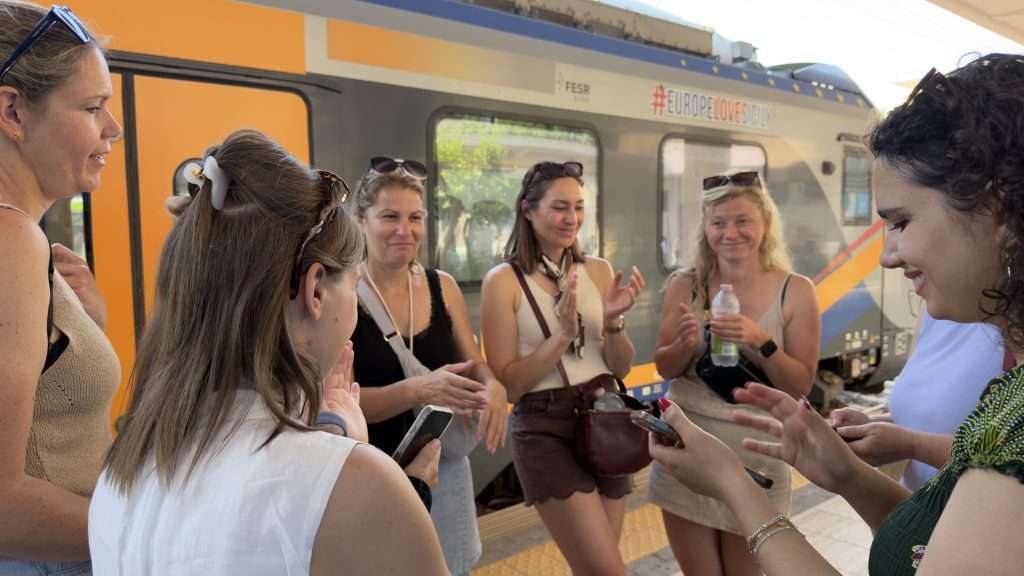
A nova edição do curso “Inclusive Education in Early Childhood: Approaches and Best Practices for Preschool Teachers and Educators” teve lugar em Palermo de 24/05/2026 to 30/05/2026. We had 8 participants coming all together from VKBZ – SG Kaprijke-Lievegem in Belgium : Maud, Pauline, Sara, Mieke, Ann, Laura, Darline and Jozefien.
The key concept of this course is undoubtedly inclusão. Throughout the training, participants approached this theme from different perspectives, reflecting not only on students’ educational needs, but also on their emotions, behaviours, and ways of experiencing the classroom environment.
The first day was dedicated to introducing the main concepts of the course and giving participants the opportunity to present their schools, educational contexts, and teaching experiences. This exchange of ideas allowed participants to better understand different school systems and created a stimulating starting point for the rest of the training.
The following sessions focused mainly on the Italian model system which depicts inclusive education. Participants explored how the school system is organised, the role of teachers, and the importance of the different support figures who collaborate with teachers and families within schools, such as psychologists, support teachers, and special education professionals. Participants noted that the “Italian Model” is one of the few examples of an educational system based on the principle of inclusion without separate special schools, embracing instead the idea of educating all students within the same environment.
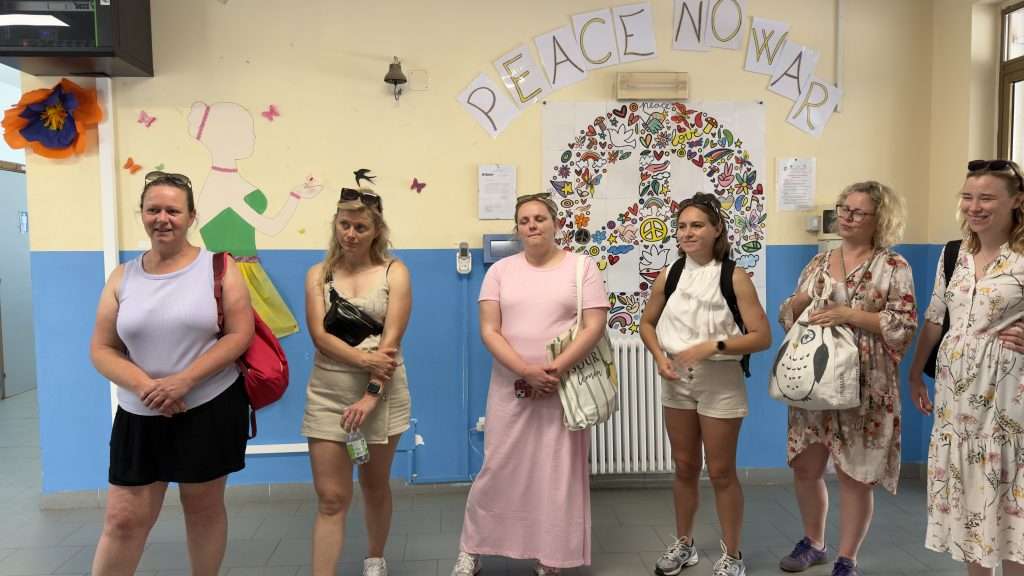
To gain a deeper understanding of the “Italian Model” in practice, participants also had the opportunity to visit two schools in Palermo during the week : the primary school “Istituto Livatino” and the Kindergarten “Ecoscuola Montesorri”. During the visit, they observed how the methods and theories presented throughout the course are applied in everyday school life and how inclusive practices are implemented directly in the classroom.
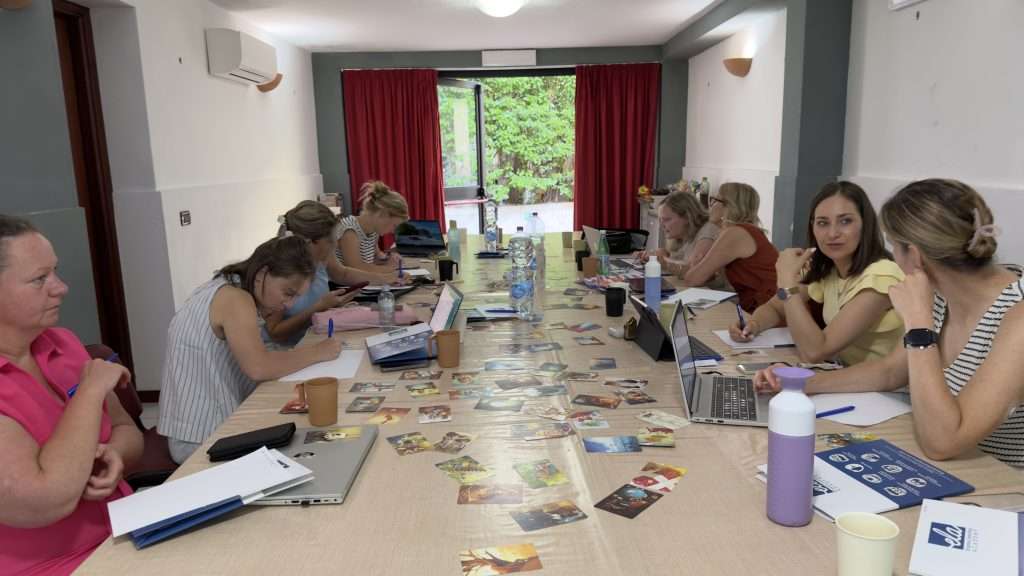
One of the main themes participants explored was the importance of empathizing with their students. Emotions were a key starting point for numerous reflections, stories and experiences. By sharing their experiences, they were able to adopt a new mindset based on understanding and empathy. This was made possible by various activities and workshops that allowed teachers to reflect on the concepts of empathy and understanding.
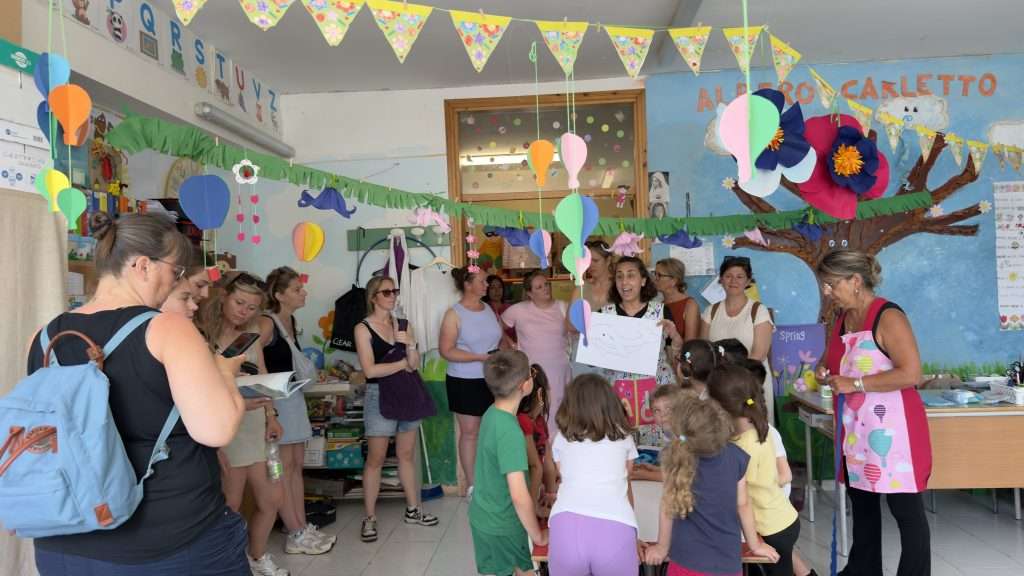
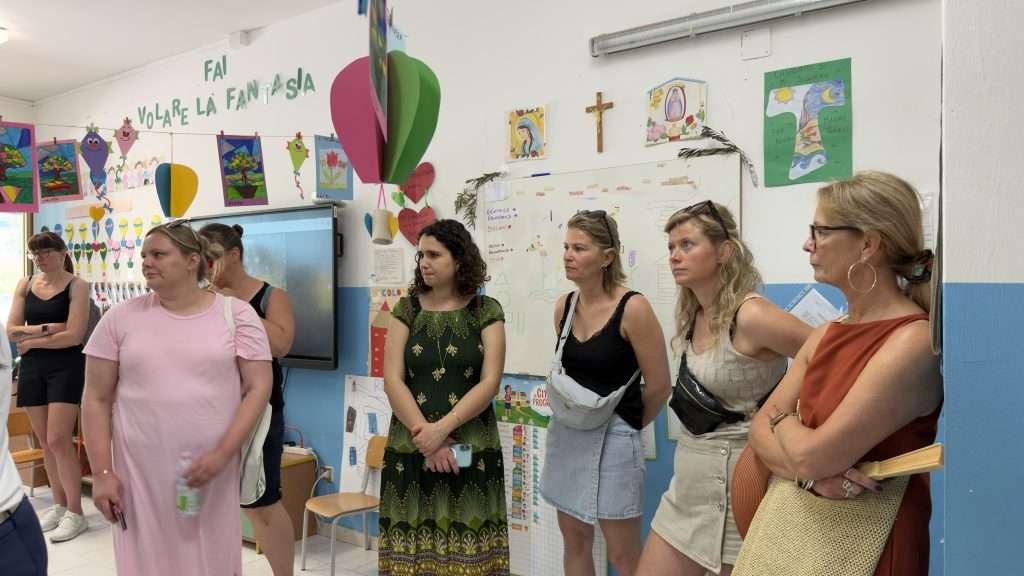
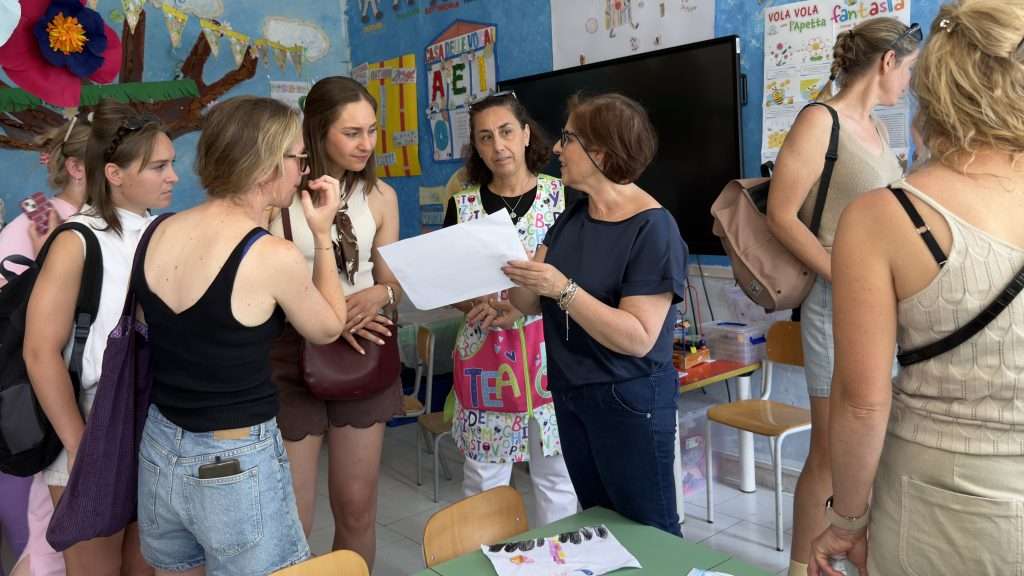
One of the main themes explored during the course was the importance of empathy in the relationship between teachers and students. Emotions became a key starting point for discussions, reflections, and the sharing of personal experiences. By sharing their experiences, they were able to adopt a new mindset based on understanding and empathy. Various workshops and practical activities helped teachers reflect more deeply on these concepts and on their role in creating supportive and inclusive learning environments.
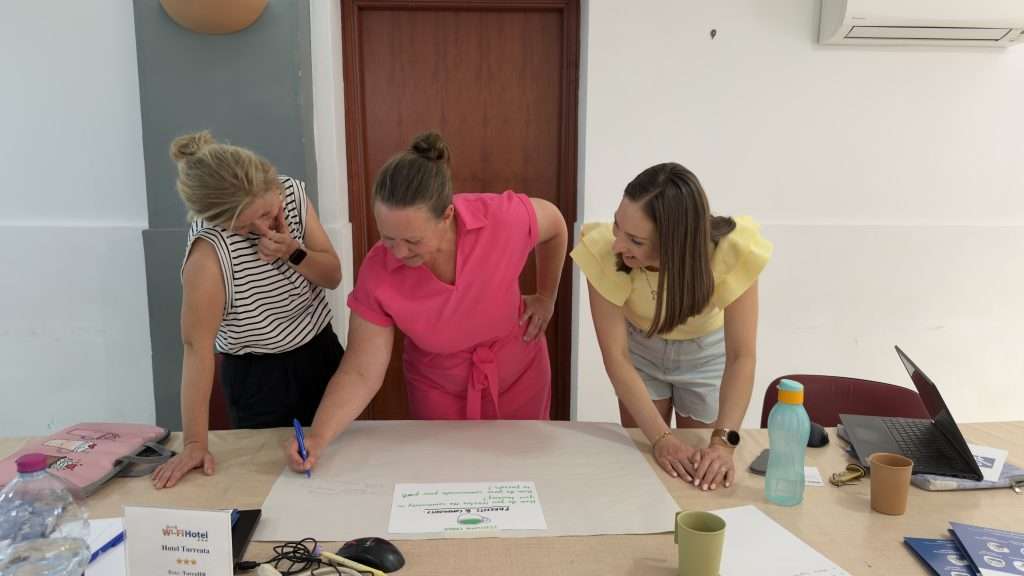
The group also worked on the distinction between a fixed mindset and a growth mindset. Participants reflected on how changing their perspective can influence the way they approach conflict and challenging situations. They explored strategies to transform the strong and sometimes negative energy expressed by some students into something constructive and productive, while also learning how to shift their own mindset toward a more flexible and growth-oriented approach. This part of the course was enriched by creative workshops and interactive activities designed to stimulate reflection and inspire new teaching practices.
Another important part of the training was dedicated to the use of ICT tools for inclusion and communication with families. Participants discovered several digital platforms that can support the creation of personalised study plans, encourage student participation, and facilitate the development of inclusive lessons and activities. During practical sessions, the group used these tools to design and develop prototypes of inclusive educational activities.
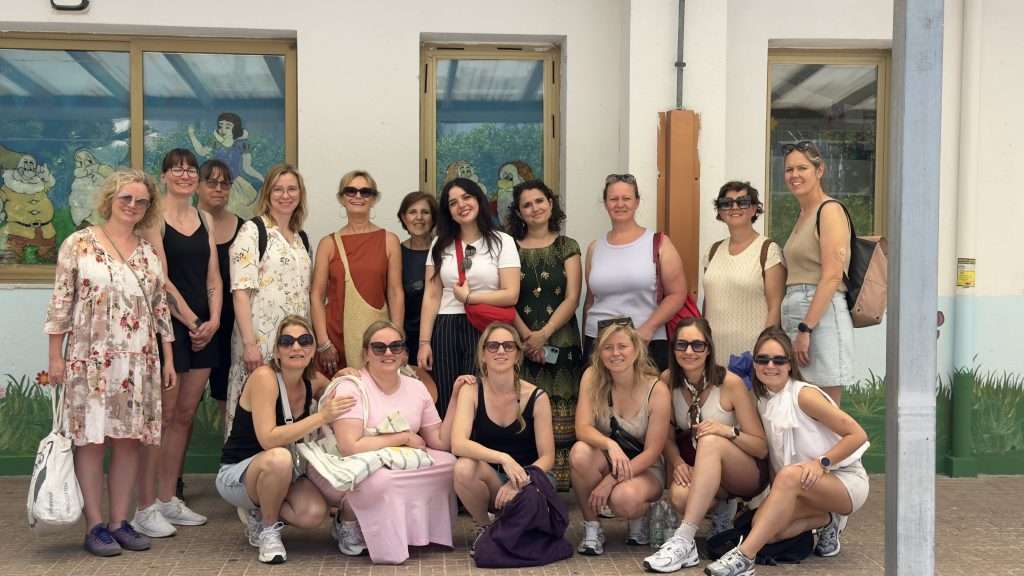
After completing this course, our teachers are better equipped to embrace diversity in early childhood education, helping them build more empathetic classrooms, stronger communities and a brighter future for all children.
Saiba mais sobre este curso aqui.
Where this course took place: Erasmus courses for teachers in Palermo
Planning your own Erasmus+ course? Descarregue o catálogo de cursos 2026-2027
 English (UK)
 Español
 Italiano
 Deutsch
 Română
 Български
 Čeština
 Ελληνικά
 Polski
 Português
 Français