In today’s fast-paced digital world, technology is a huge part of our daily lives, and this reality introduces a whole new set of challenges inside the classroom. While digital devices open up incredible ways to learn, their constant presence can easily lead to screen fatigue, constant distractions, and online safety risks. For teachers today, education isn’t just about delivering a lesson anymore, it is also about helping students navigate the online world safely, mindfully, and with intention. To address these exact issues, the recent teacher training course, “Digital wellbeing for teachers and students: how to foster awareness and safety,” gave educators a practical space to reflect on their own tech habits and discover real-world strategies for building healthier digital environments.
This new edition of the course took place in Bologna from July 5th to July 11th, 2026. The training brought together a collaborative group of international educators ready to share ideas and cross-border perspectives. The participants included Claudio Bezzina and Vince Taliana from St Benedict College in Malta, alongside Asta Sinkevičienė and Rasa Gelažauskienė from Kauno r. Ilgakiemio mokykla-darželis, a primary school in Lithuania. Working together, they looked at how everyday tech habits impact young learners across different European school systems.
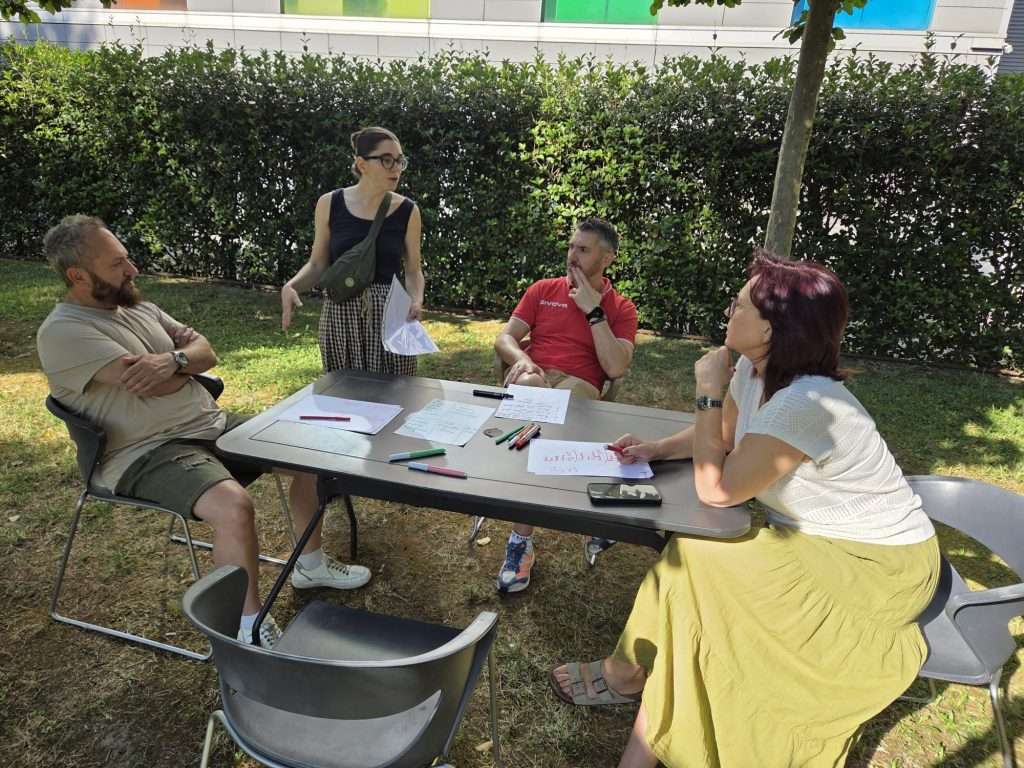
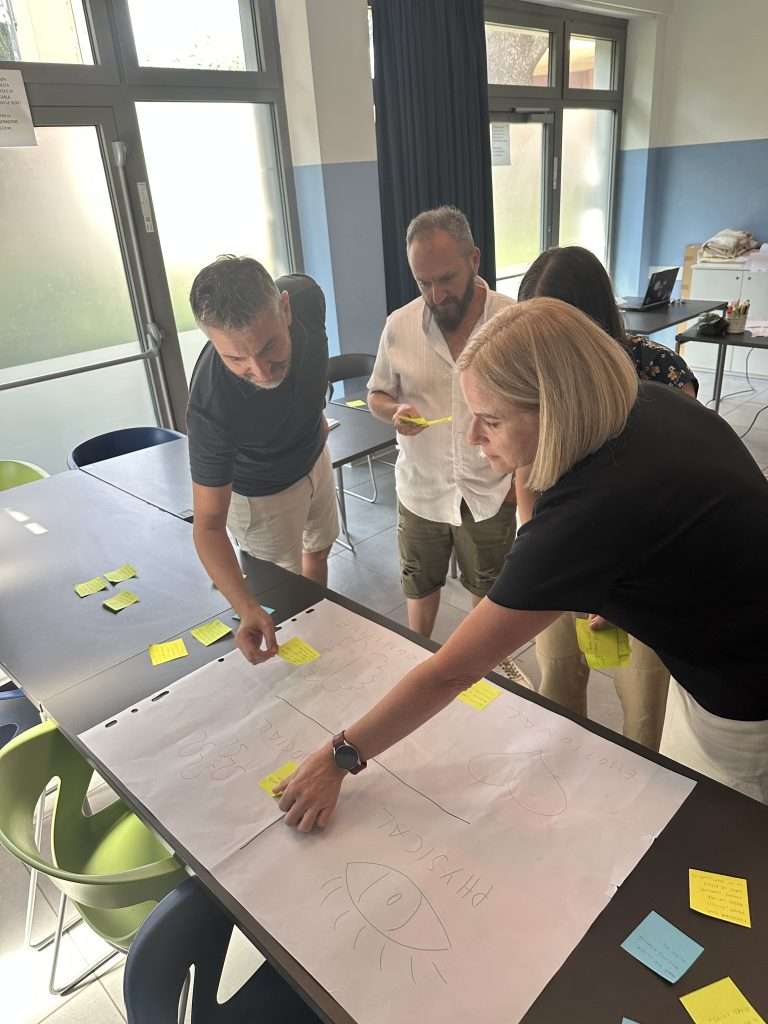
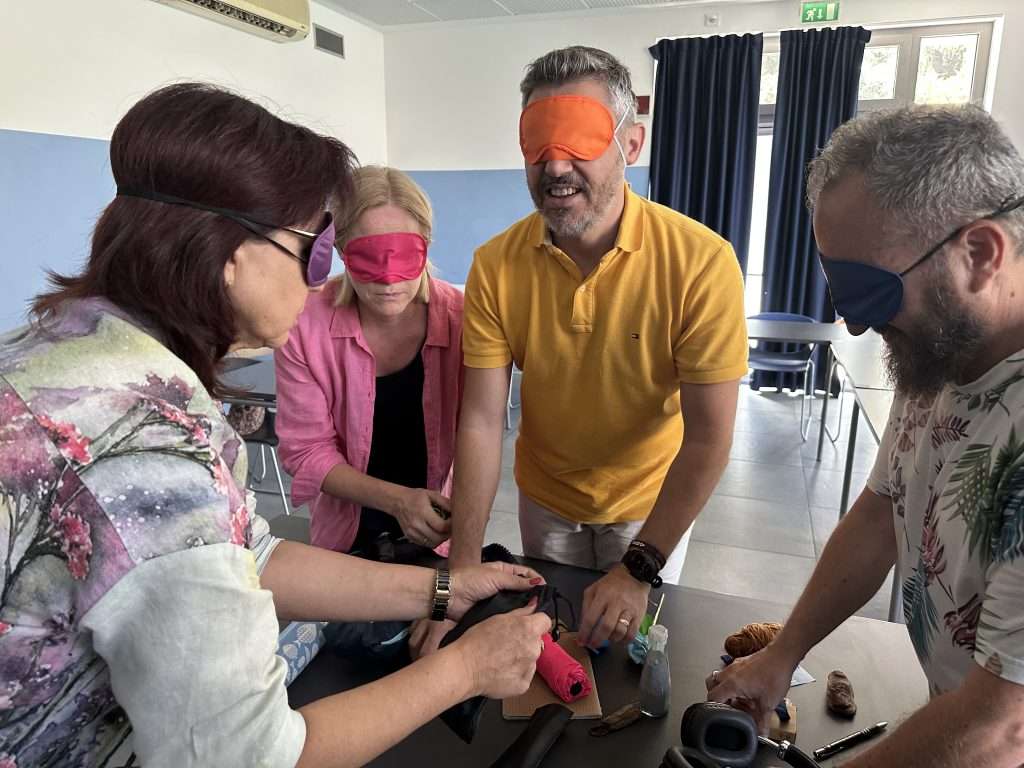
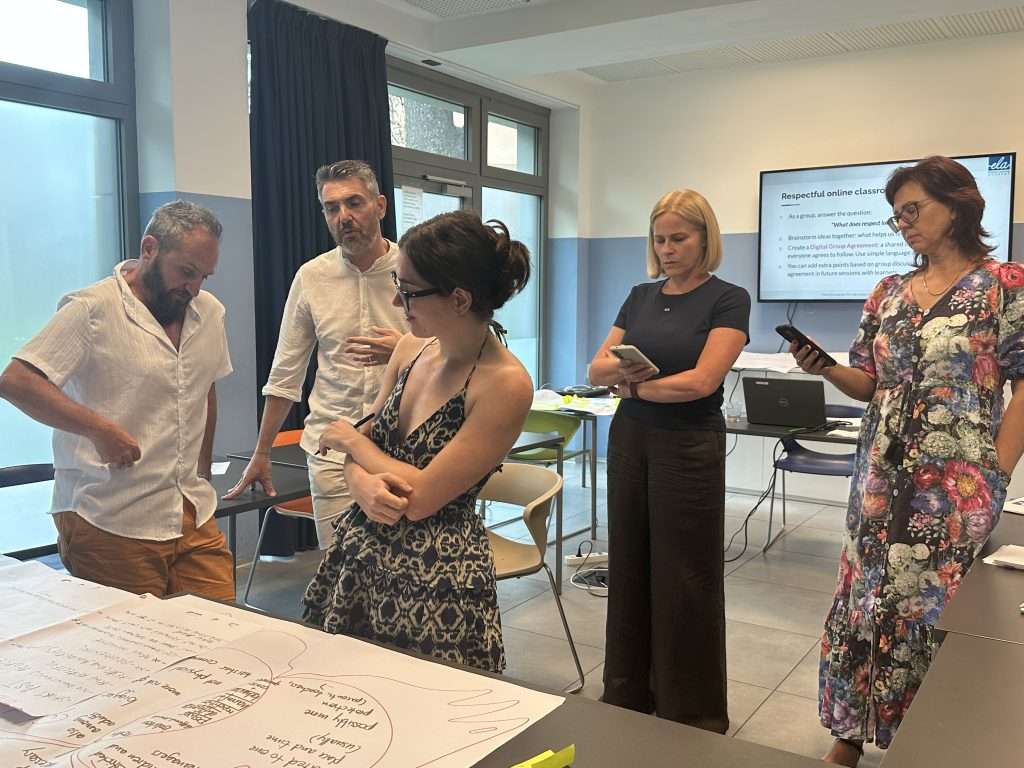
The learning journey began with a close look at the basics of digital wellbeing, where participants mapped out their own tech habits and discussed how excessive screen time can negatively impact our bodies, social lives, minds, and moods. From there, the focus shifted toward improving classroom concentration by busting the myth of multitasking and sharing tips to help students regain focus. The group also explored how different generations use technology and delved into the concept of “FOMO” (the fear of missing out), learning how to open up honest discussions about this specific peer pressure in class.
Midweek, the training turned toward sharp critical thinking as a tool for maintaining personal agency online. The teachers learned how to spot deepfakes, avoid online scams, and emphasize the major importance of data safety, transparency, and digital consent. This practical approach was then connected to a broader perspective as the group explored the European framework for digital literacy and ethics (DIG3.0), breaking down the core pillars of digital citizenship and how they apply to daily school life. Finally, the program wrapped up by tackling the differences and similarities between traditional bullying and cyberbullying. Using fictional case studies and realistic role-play simulations, the participants practiced how to spot and manage these digital conflicts effectively.
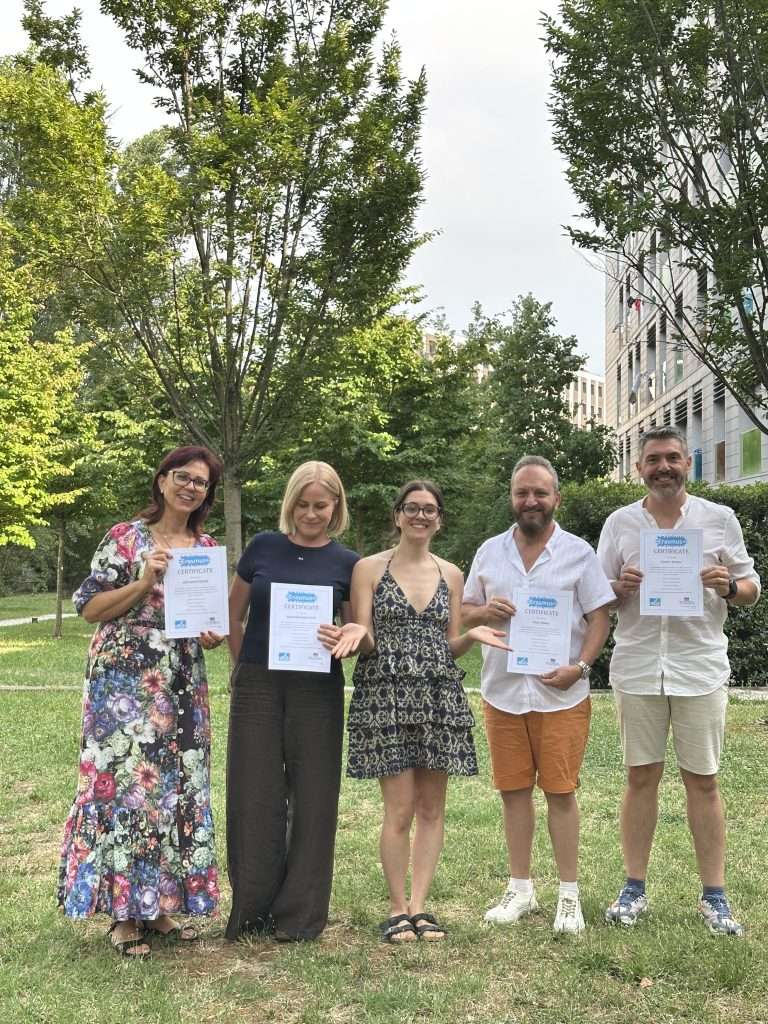
By the end of the training week, the participants walked away with a clear, well-rounded understanding of how to weave digital safety and mindfulness into their classrooms. Equipped with these fresh strategies and frameworks, these educators are now ready to help their students back home build a more conscious, balanced, and secure relationship with technology.
Entdecken Sie mehr über diesen Kurs hier.
Where this course took place: Erasmus courses for teachers in Bologna
Planning your own Erasmus+ course? Fortbildungskatalog 2026-2027 herunterladen
 English (UK)
 Español
 Italiano
 Deutsch
 Română
 Български
 Čeština
 Ελληνικά
 Polski
 Português
 Français