Formative assessment is widely recognized as one of the most powerful and flexible teaching approaches, as it adapts easily to learners’ needs and supports them throughout the entire learning process. By helping activate prior knowledge, monitor development, and provide ongoing feedback, it enables teachers to design more meaningful and engaging learning experiences. During the week, participants explored both theoretical perspectives and practical applications, developing new strategies and tools to better identify student needs and implement simple yet effective assessment practices.
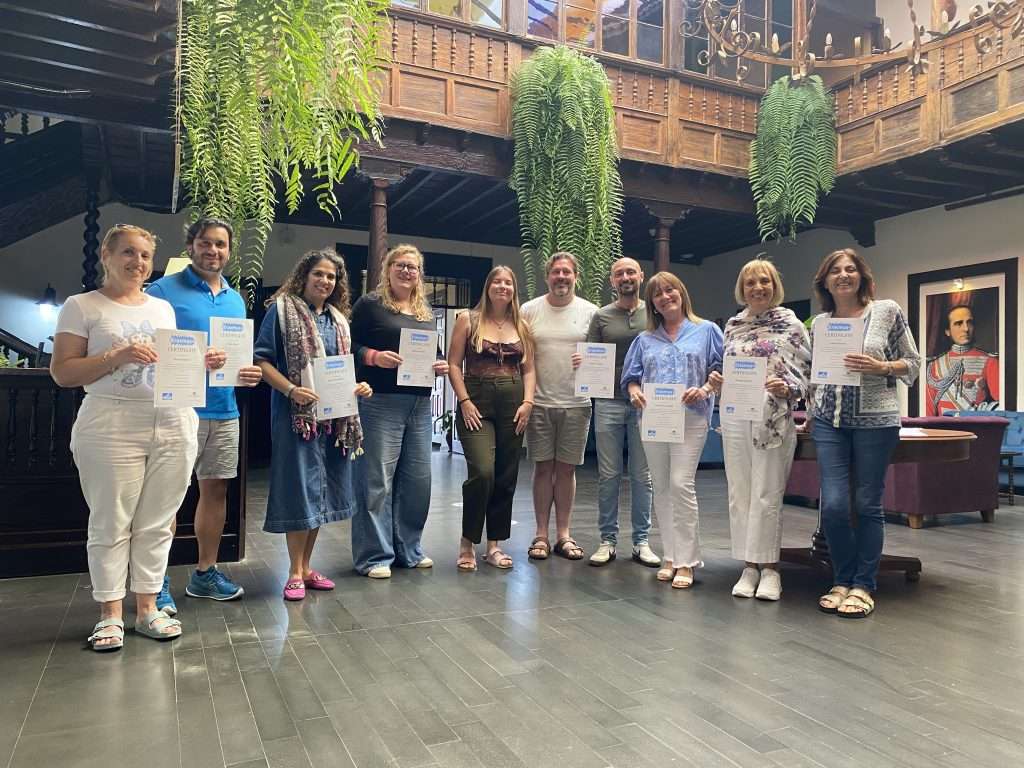
The latest edition of the course, “Effective Formative Assessment and Feedback Management in Education” ha avuto luogo in Tenerife da 19/04/2025 to 25/04/2025. It brought together educators from across Europe: Anna Maria, Giuseppa and Fabio from IISS D’Aguirre-Dante Alighieri in Italy, Ben and Soetkin from GO! CVO Antwerpen in Belgium, Maria from Saint Lazarous Technical School in Cyprus, and Antonio, Luisa and Maura from I.T.E.T. “D. Bramante – Genga” in Italia.
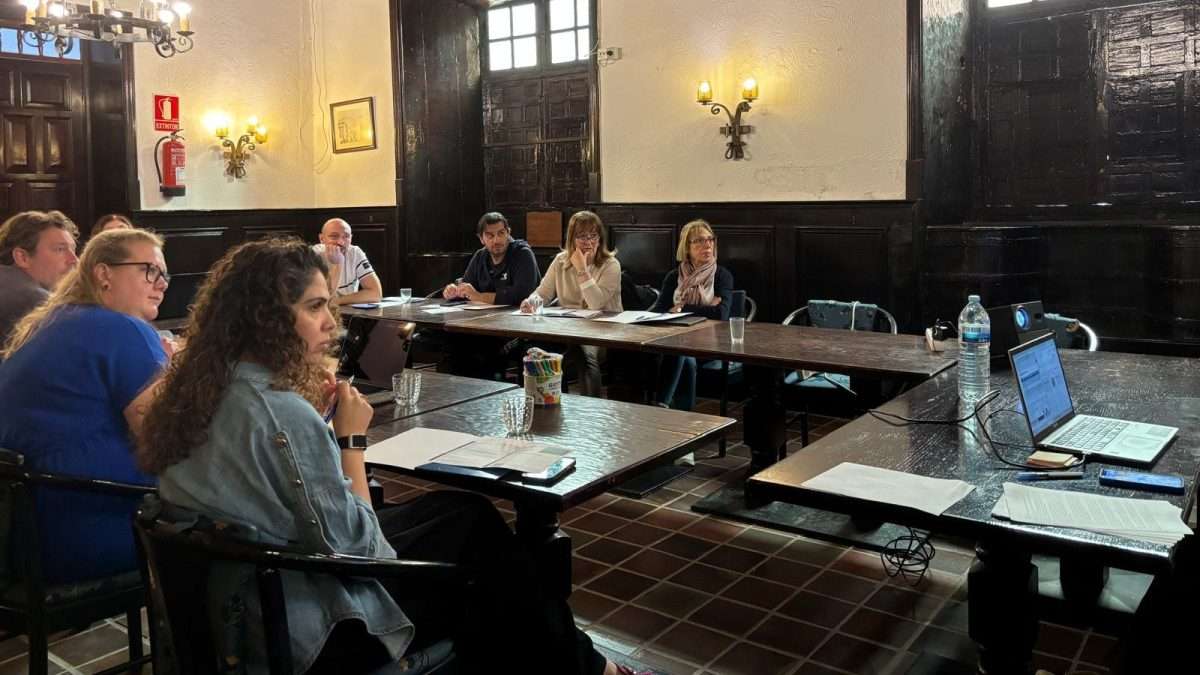
The course began by activating participants’ previous knowledge of formative assessment. They were invited to discuss what they already understood about the topic and to share their learning goals for the training week. The first subject explored was the assessment cycle, together with the distinction between formative and summative assessment. Through group brainstorming activities and digital quizzes, participants reviewed the key differences between these two approaches, identifying the aims and main characteristics of each. This also created an opportunity to exchange challenges, doubts, and questions related to the course topic.
Feedback, considered one of the most important yet challenging formative assessment strategies, was another major focus of the week. Through group discussions and role-playing activities, participants identified the best practices and common mistakes when giving feedback, established guidelines for providing effective and constructive comments, and reflected on the attitudes needed to receive feedback positively. An engaging challenge also encouraged participants to reflect on the importance of promoting a growth-oriented classroom culture, where feedback is viewed not as punishment, but as an opportunity for improvement and a demonstration of care.
Participants then explored the main tools and methods of formative assessment that can be incorporated into teaching practices. Particular attention was given to strumenti digitali that enable teachers to monitor students’ understanding and progress in real time, as well as to use entry and exit tickets to engage students and encourage reflection on their learning.
In addition to teacher-student feedback, the course emphasized the importance of students becoming learning resources for one another. Participants addressed this topic by examining practical strategies to encourage peer learning and peer feedback. They also exchanged experiences regarding the use of rubrics as a clear presentation of assessment criteria, helping students take ownership of their learning process while also creating a safe environment for peer assessment.
With these ideas in mind, participants carried out a final reflection on the training week and discussed future goals and intentions for applying the knowledge and skills they had acquired.
Discover more about this course at https://erasmustrainingcourses.com/formative-assessment
Where this course took place: Erasmus courses for teachers in Tenerife
Planning your own Erasmus+ course? Scarica il catalogo corsi 2026-2027
 English (UK)
 Español
 Italiano
 Deutsch
 Română
 Български
 Čeština
 Ελληνικά
 Polski
 Português
 Français