Nowadays, the role of teachers goes far beyond delivering academic knowledge. In addition to academic qualifications, teachers are increasingly expected to support students’ personal, social and emotional development. For this reason, coaching skills have become an essential part of effective teaching. By using coaching techniques such as active listening, goal setting, constructive feedback and motivation, teachers can help pupils/students reach their full potential. Therefore, combining academic expertise with coaching skills allows teachers to create a more supportive learning environment and foster pupils/students’ independence, confidence and lifelong learning skills. Although these roles seem different, they are complementary.
The concept of coaching was fundamental during the new edition of the course “Emotional intelligence and coaching inside the school and educational context” which took place in Palermo from 26/04/2026 to 02/05/2026. The participants came from all across Europe, with Sofie and Marina from Vuxenutbildningen Lysekil, Ida and Louise from Borgarskolan, Toni and Maria from Högadalsskolan all in Sweden, Nathalie from GO! Atheneum MXM from Belgium and Dace, Elīna, Guna, Līga, Enija from Zaļenieki Comercial and Craft Secondary School and Lilija, Mārtiņš and Andrejs from Vidzeme Technology and Design Vocational School all in Latvia.
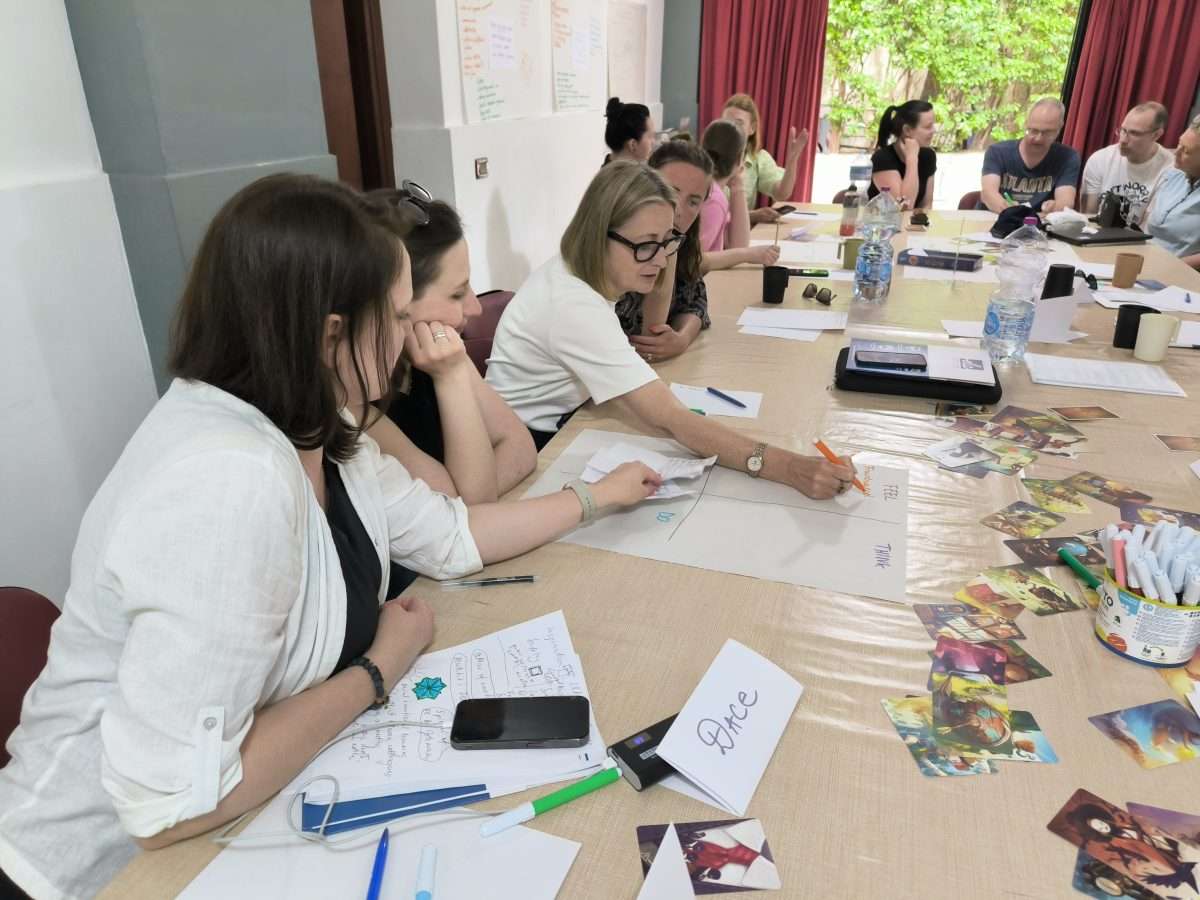
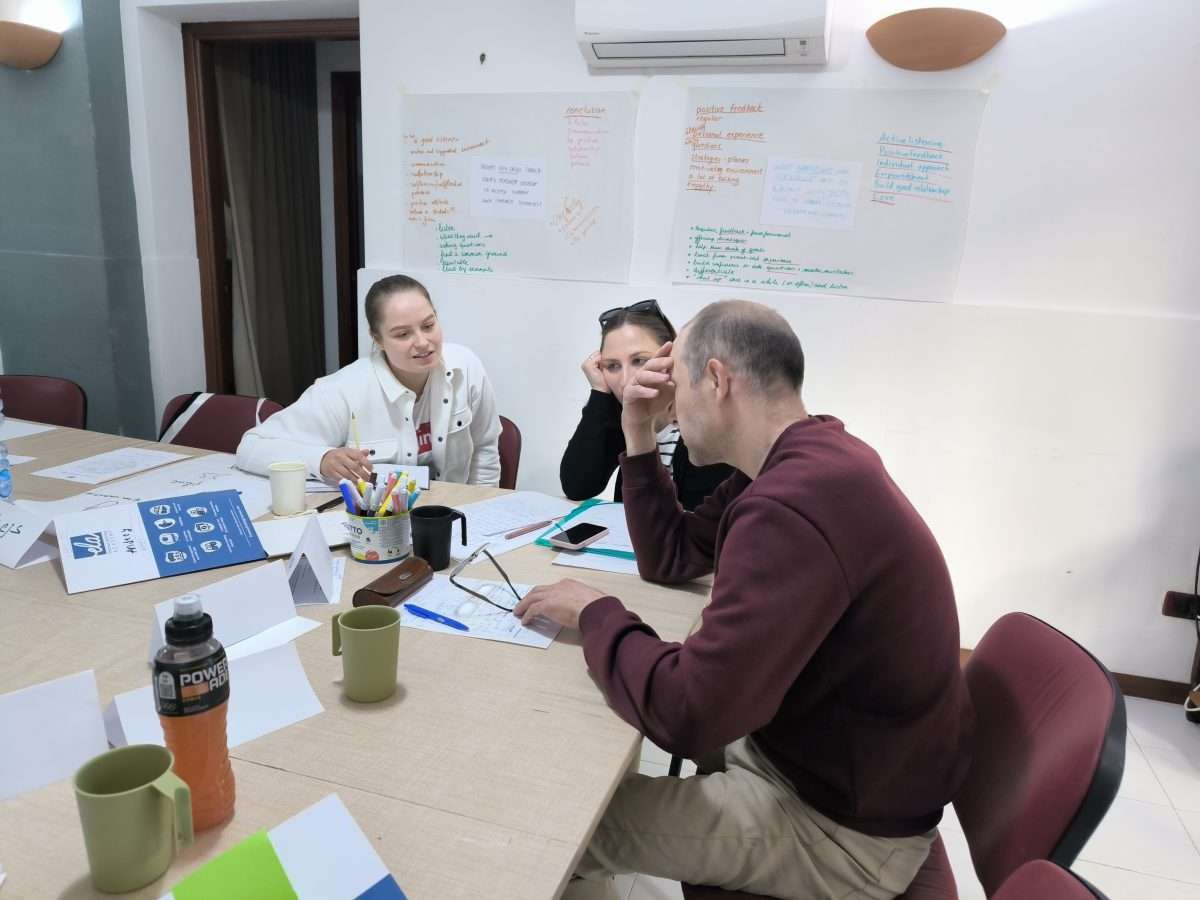
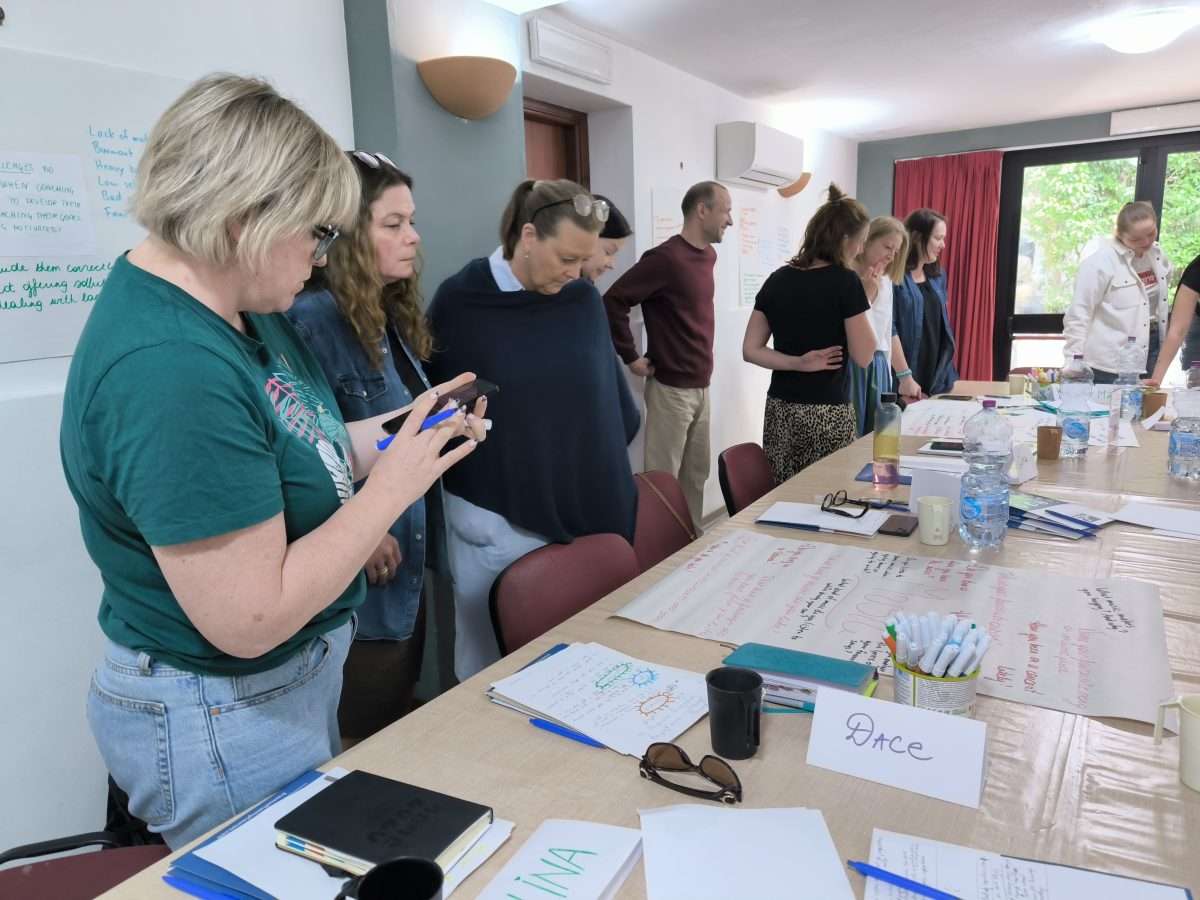
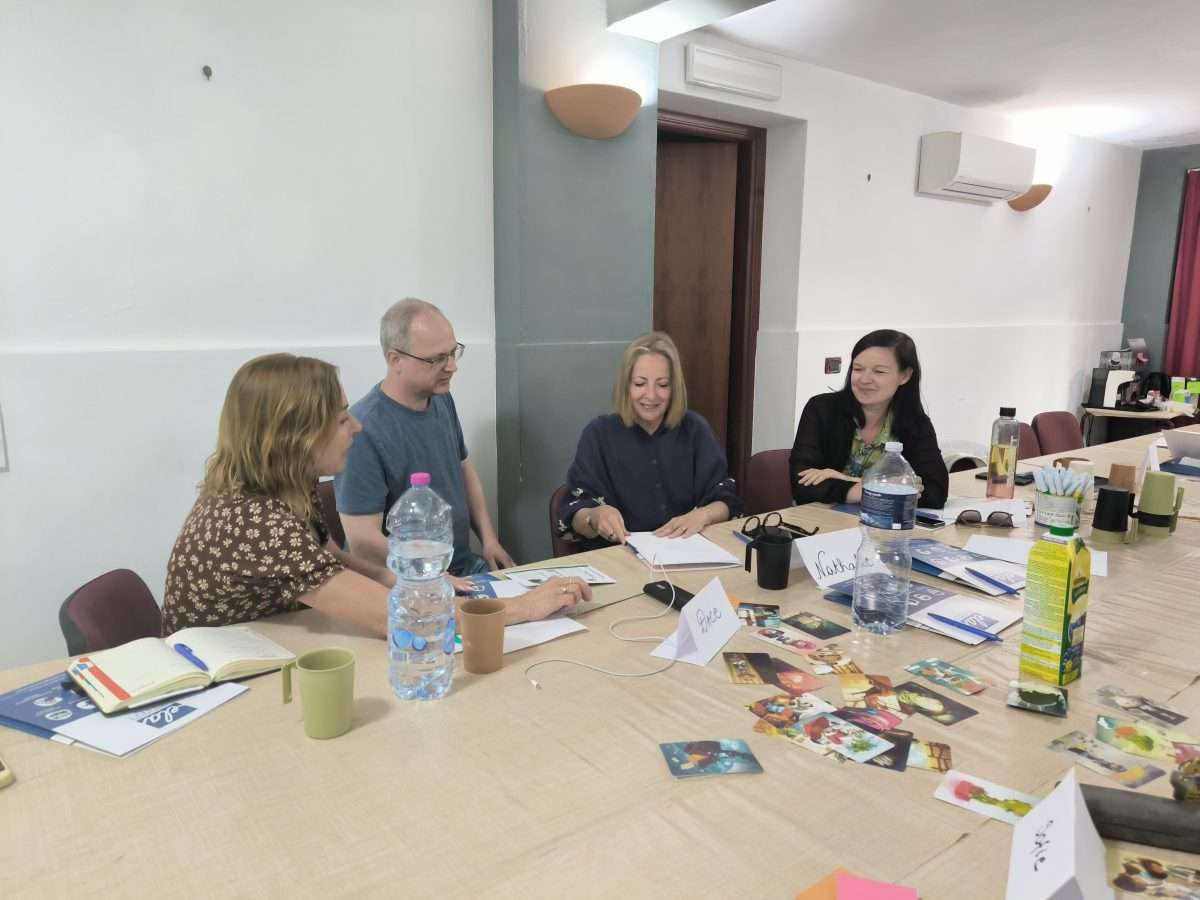
The first topic discussed in the course was the difference between teaching and coaching. It is important for teachers distinguishing these two terms, as teaching mainly focuses on transferring knowledge and skills while coaching is more about unlocking someone’s potential and improving performance. By clarifying these concepts, it becomes easier for them to know what to expect and how to proceed while fixing well-defined and achievable goals for themselves, their pupils/students and their teaching environment overall. A teacher with a dual role as a coach is able to understand their pupils/students better and manage them effectively to foster motivation, connection and interactive communication, discipline and overall performance; thus supporting both their academic and personal development.
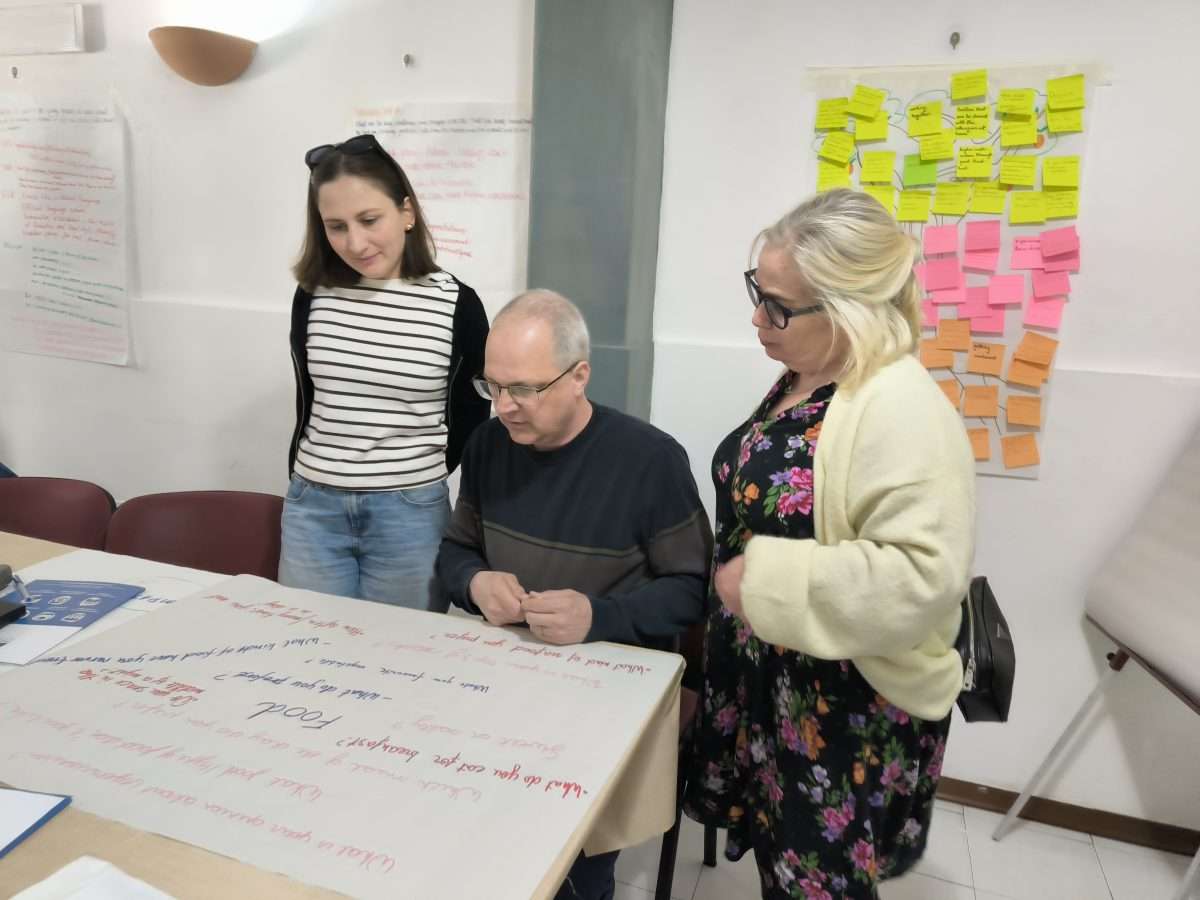
Another topic tackled during this course, was the power of questions. Questions have the ability to promote thinking and self-reflection, to create constructive answers and to motivate actions and ideas development. This is why in this course the participants explored how to build learning-focused questions by starting with an inviting engagement, proposing content to reflect on and highlighting a cognitive focus for thinking and elaboration.
An additional aspect explored during the course was intelligenza emotiva and its importance in coaching. Developing emotional intelligence allows coaches to better understand and manage both their own emotions and those of others, creating a supportive and respectful learning environment. Through empathy, active listening and self-awareness, coaches can build trust and encourage meaningful communication, helping pupils and students feel more confident, motivated and open to personal growth.

The last part was dedicated to another coaching skill that is essential inside every workplace, including a classroom, is the ability to manage conflict. In this case self-awareness and control of
our own emotions are fundamental in order not to let a conflictual situation escalate. Conflicts don’t have to be necessarily negative, on the contrary they can also lead to growth e positive outcomes. A Coach has to help their pupils/students to create a dialogue and support them in finding a solution to the problem. It is important to remember though that the role of the coach is not to suggest or provide solutions, but to be a guida in the analysis of the conflict, the decision-making process and the evaluation of their behavior in order to facilitate the process of finding solutions by themselves in their own way.
This training week allowed the participants to share common experiences and to learn from different cultural backgrounds, while also improving their coaching skills and learning about useful tools that can be applied to classroom management and everyday teaching practice.
Scopri di più su questo corso Qui.
Where this course took place: Erasmus courses for teachers in Palermo
Planning your own Erasmus+ course? Scarica il catalogo corsi 2026-2027
 English (UK)
 Español
 Italiano
 Deutsch
 Română
 Български
 Čeština
 Ελληνικά
 Polski
 Português
 Français