Il ruolo dell’insegnante è stato tradizionalmente associato alla guida dell’apprendimento, alla condivisione delle conoscenze e all’aiuto agli studenti nello sviluppo delle competenze essenziali. Un coach, al contrario, si concentra sull’ascolto attento, sul porre domande che stimolino la riflessione, sull’incoraggiare i progressi e sul sostenere le persone nel liberare il proprio potenziale. Sebbene questi ruoli possano sembrare distinti, l’introduzione dei principi del coaching in classe può ridefinire il ruolo dell’insegnante trasformandolo in uno che promuova la riflessione, l’autonomia e la crescita personale.
Questa prospettiva ha ispirato il corso “Competenze di coaching per insegnanti, personale scolastico e operatori dell'educazione degli adulti”, tenutasi a Tenerife da 19/04/2026 a 25/04/2026. The training gathered an international group of professionals: Malin, Isabel and Kadja from Hermods Yrkeshögskola in Sweden; Paulina, Marta and Beata from Zespół Poradni Psychologiczno-Pedagogicznych w Bielsku-Białej in Poland; Saara from Live Säätiö sr in Finland; Fátima and Maria Alexandra from Agrupamento de escolas Camilo Castelo Branco in Portugal; Myriam and Angelina from Lycée Anne Veaute in France; Jón Teitur from Hraunvallaskóli in Iceland; Jan from Atheneum Herzele, Liesbet and Anny from BA Verpleegkunde – BA Botaniek – Mechelen in Belgium. Their diverse perspectives enriched every discussion and activity throughout the week.
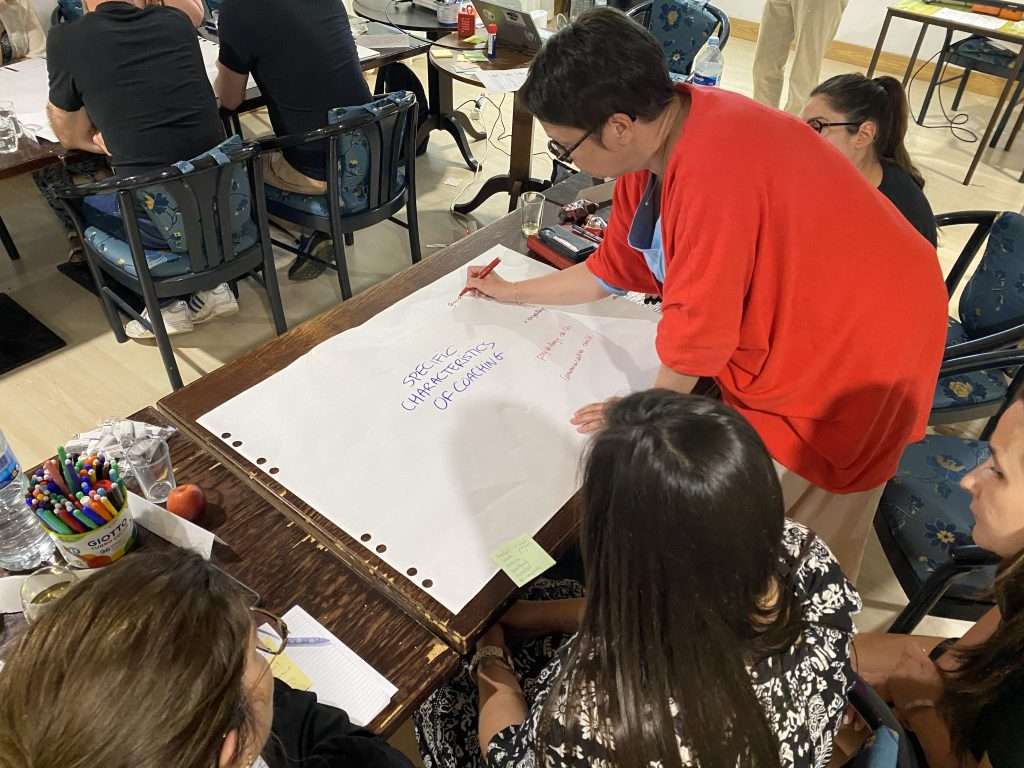
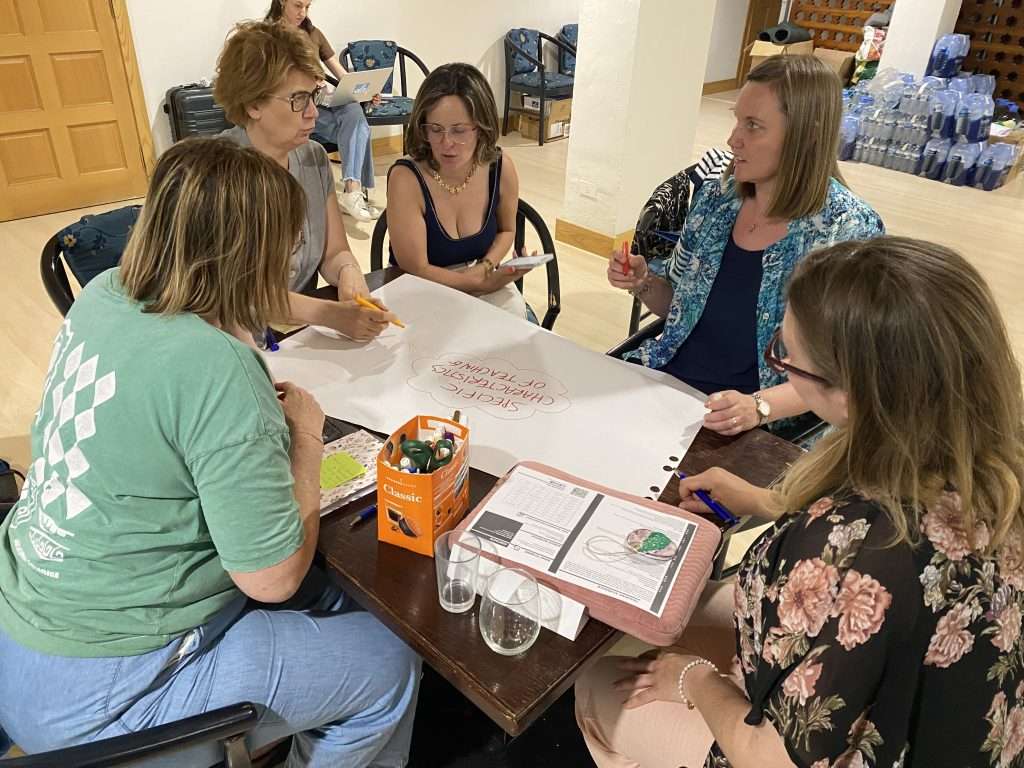
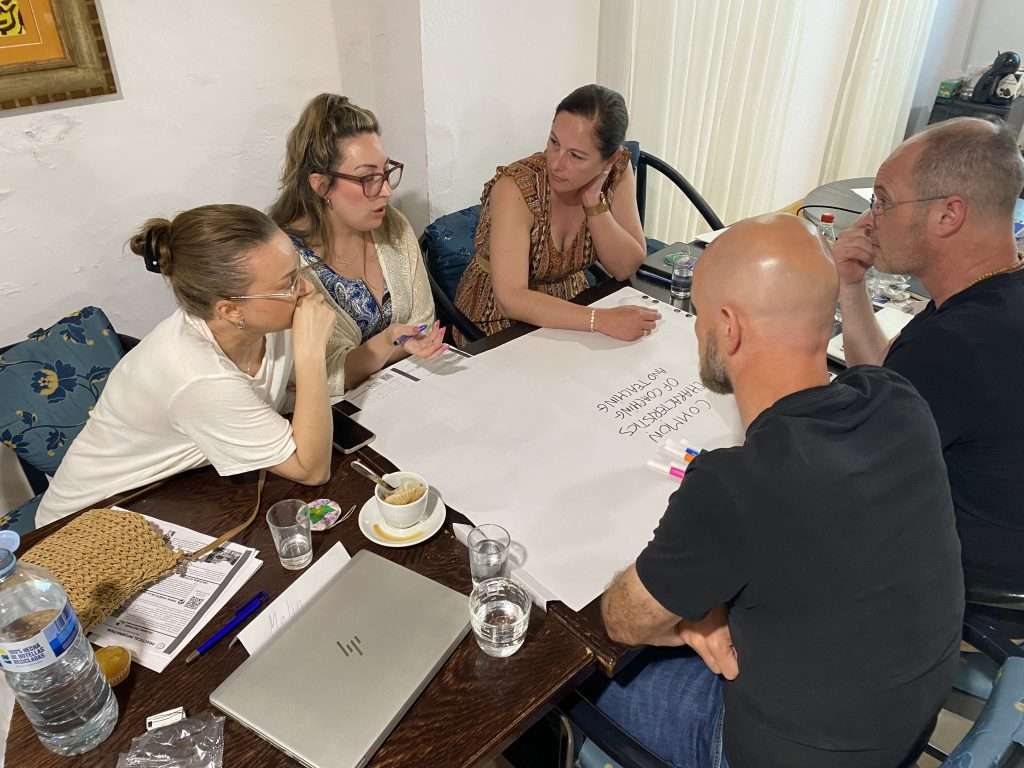
The programme started with teambuilding activities that helped participants connect, explore their expectations, value their contributions within the group and share their fears, establishing a collaborative learning environment. The group examined the foundations of coaching in education, reflecting on both the distinctions and the overlaps between teaching and coaching. They had the opportunity to reflect on their organisation’s successes and strengths, bigger challenges, innovative ideas and specific contextual factors that influence their coaching practices on a local level.
As the training continued, attention turned to essential coaching competences. On Tuesday participants focused on emotional intelligence, discussing how recognising and managing emotions—both their own and their students’—can positively influence the classroom climate. A strong emphasis was placed on self-awareness and empathy, as well as on developing self-control and self-motivation strategies. By alternating between whole-class, small-group, and individual work sessions, participants explored different ways to support students’ academic and personal development through engaging tools and meaningful learning experiences.
Later in the week, the group explored the value of non-directive communication, such as active listening, paraphrasing, and powerful questioning, with participants exploring how these techniques can stimulate reflection and deeper thinking. foster autonomy, and help learners identify their own solutions. These sessions underlined the importance of intentional listening and guiding students without providing ready-made answers.
On the final days, participants tackled more complex elements of the coaching mindset, including conflict management and constructive feedback. They learned how to transform conflicts into opportunities for dialogue and growth, discussed feedback challenges and practiced feedback strategies that strengthen confidence rather than undermine it. These tools proved particularly useful for supporting students through challenging moments and helping them regain motivation.
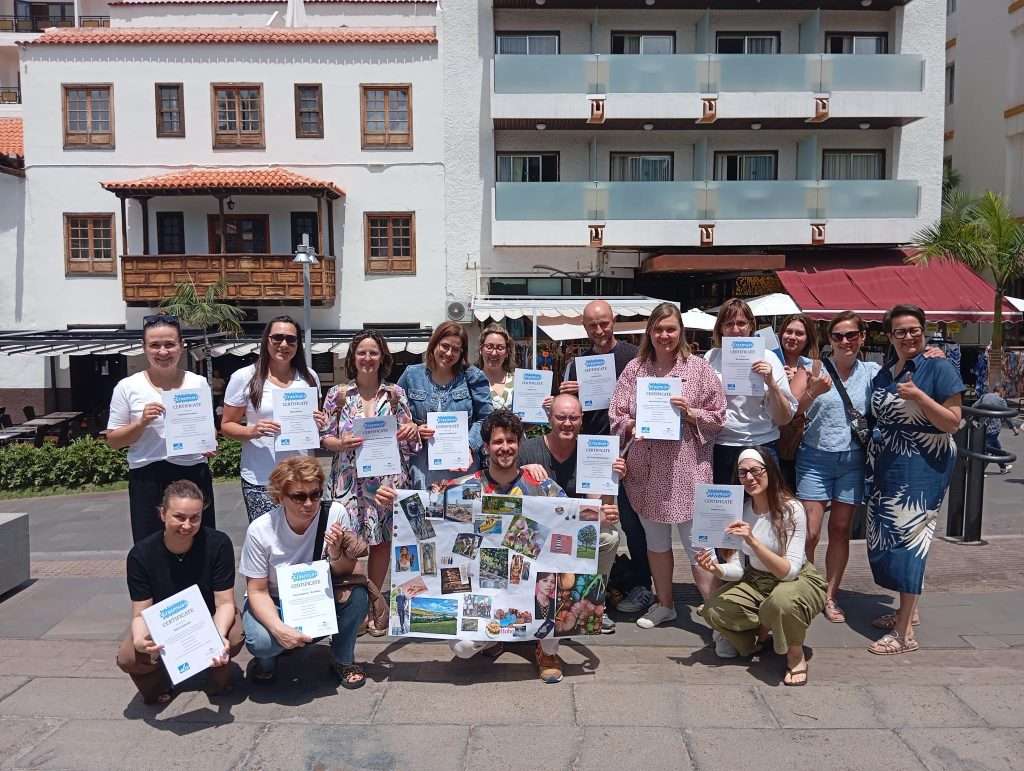
Throughout the week, participants exchanged professional experiences, shared cultural insights, and built a supportive learning community. They left Tenerife feeling energised, equipped with practical tools, and with a deeper understanding of how a coaching approach can enhance teaching—helping students feel valued, heard, and empowered to achieve their potential.
Scopri di più su questo corso Qui.
Where this course took place: Erasmus courses for teachers in Tenerife
Planning your own Erasmus+ course? Scarica il catalogo corsi 2026-2027
 English (UK)
 Español
 Italiano
 Deutsch
 Română
 Български
 Čeština
 Ελληνικά
 Polski
 Português
 Français