Good classroom management is not only about keeping order. It is about creating a space where students feel safe, included and ready to learn. This was the focus of the course “Effective Classroom Management Strategies for teachers and education staff”, tenuto in Bologna from 13 to 19 September 2026.
The group included Marit, Henriette and Siri from Spjelkavik videregående skole, Norway; Imani and Tom from Talentenschool Turnhout Campus Zenit, Belgium; Rebecca from Gutenberg Schule Dierdorf, Germany; and Ellen from Hermods Yrkeshögskola, Sweden.
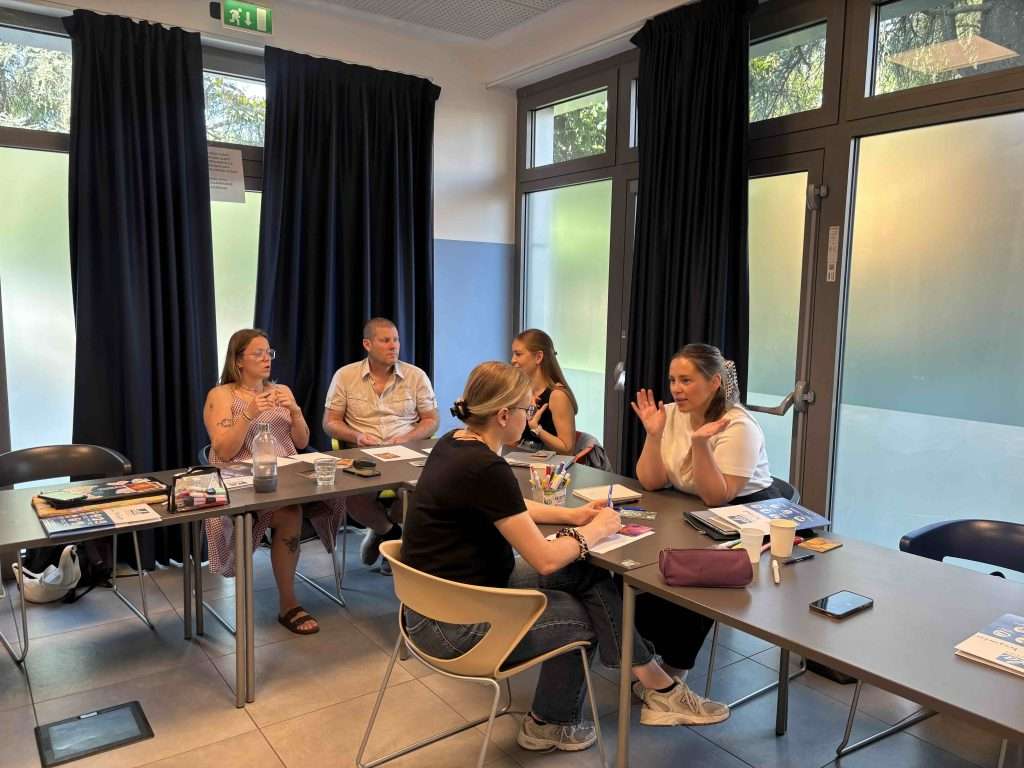
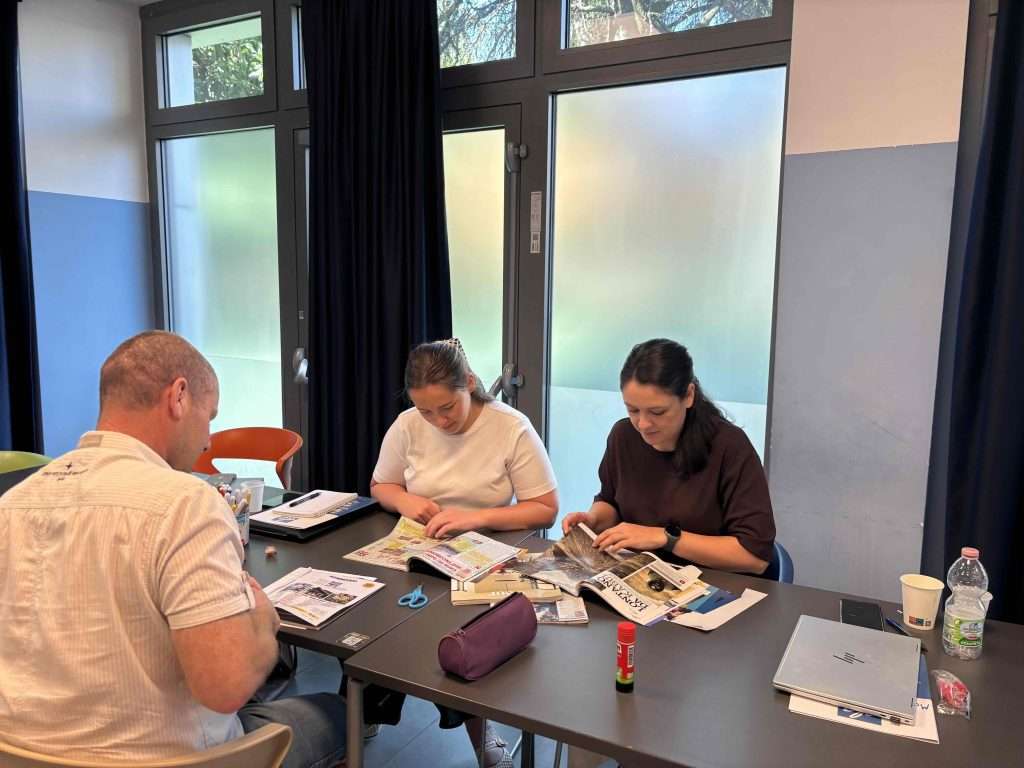
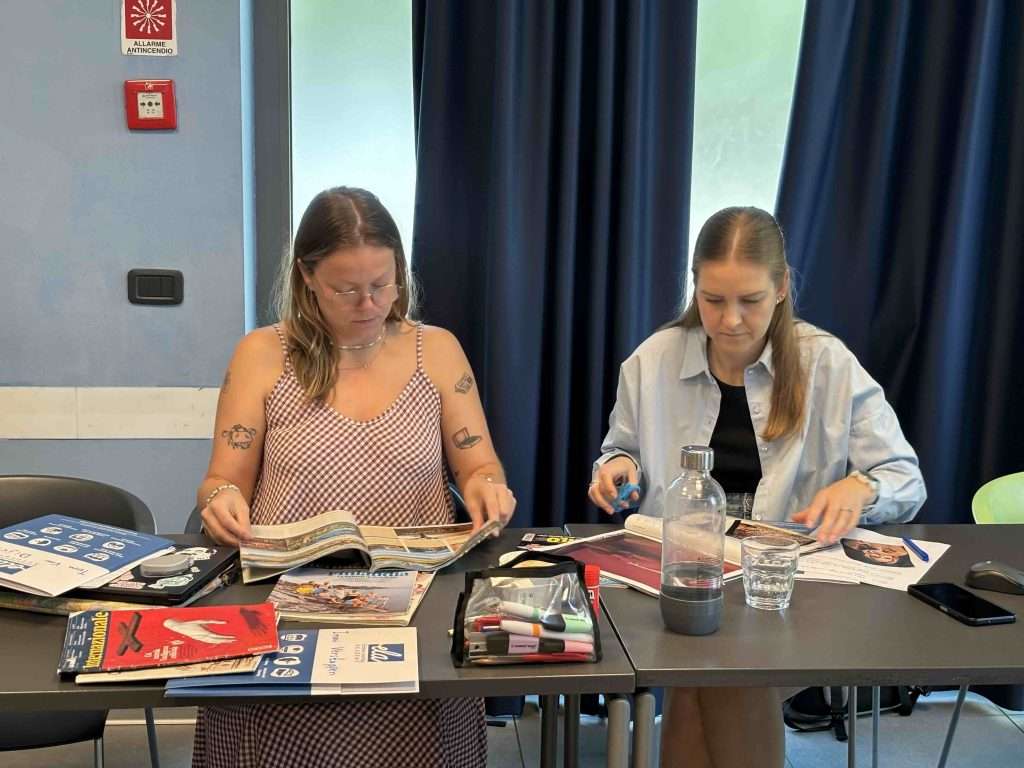
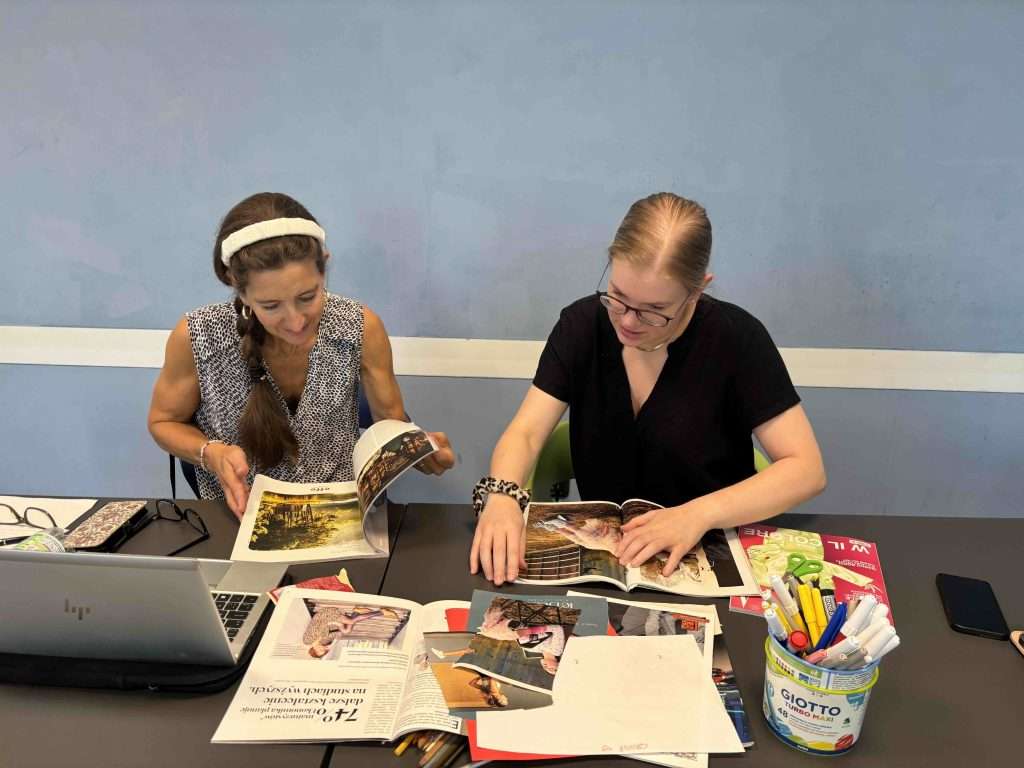
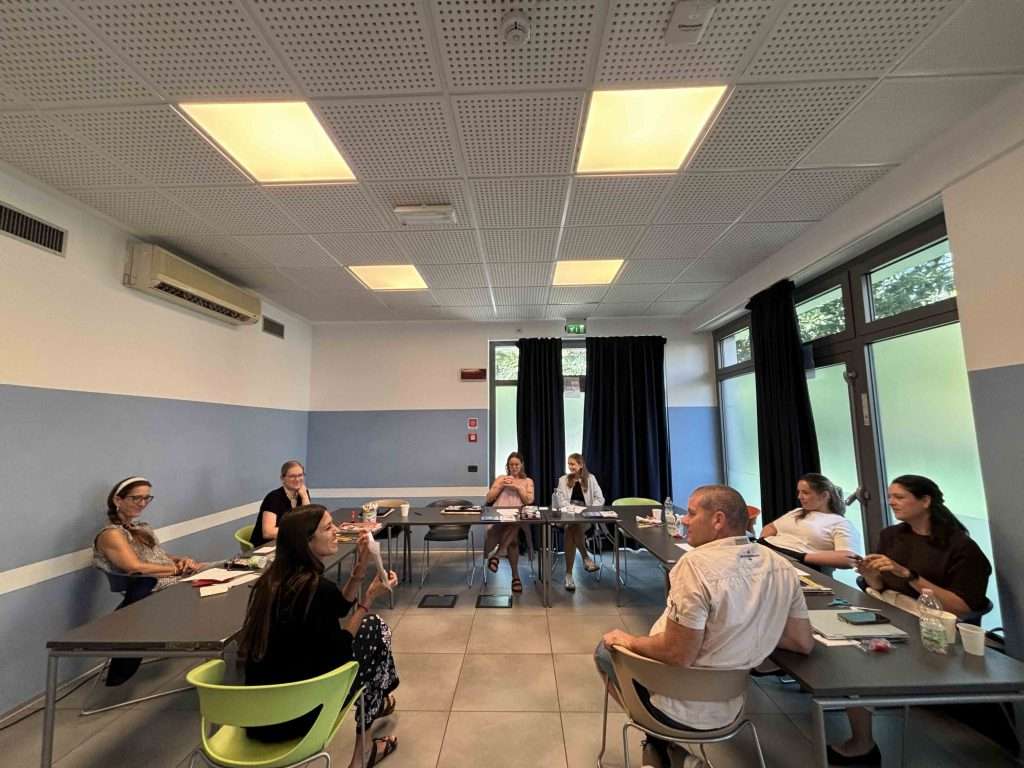
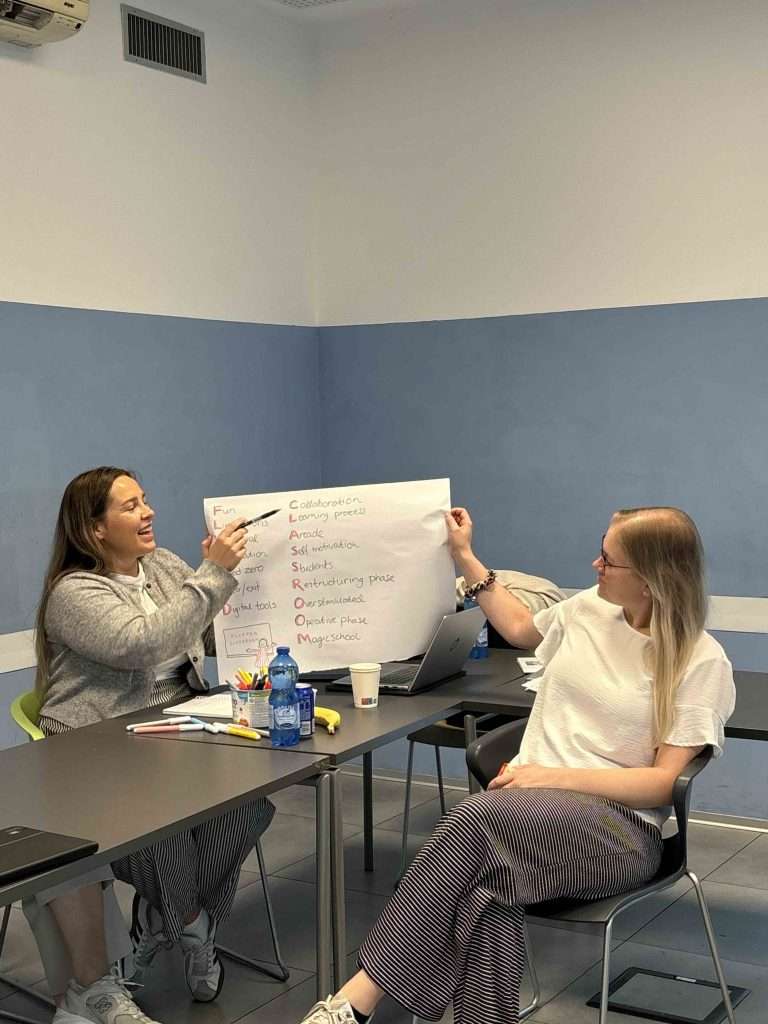
The week began with Social Emotional Learning and reflection on what makes a positive classroom environment. Participants explored how understanding emotions and behaviour can help teachers create a more supportive and tolerant atmosphere.
The focus then moved from the individual to the group. Dinamiche di gruppo play an important role in classroom management, particularly when students have different personalities, needs and ways of interacting. Through practical activities and discussion, participants examined how to become more attentive to group behaviour and how teachers can respond to different dynamics before they develop into larger problems. Inclusive approaches were also explored, with attention to encouraging participation and creating a classroom where students feel involved rather than left out.
Communication was another important part of the training. Participants looked at how everyday conversations between teachers and students can influence motivation, trust and classroom relationships. The group explored the idea of a growth mindset and considered how trust-building conversations can encourage students to see mistakes and difficulties as part of the learning process. They also worked on ways of giving feedback that is clear, constructive and useful, rather than simply pointing out what went wrong.
The course also combined classroom-management theory with practical digital activities. Participants explored different types of digital resources that can support a flipped classroom, where some learning takes place before or outside the traditional classroom setting. Rather than focusing only on the technology itself, the activities considered how digital resources can be used purposefully — for example, to organise learning, increase student participation and make classroom time more focused and interactive.
The final stage focused on gestione dei conflitti. Participants first considered their own perceptions and assumptions about conflict before looking at ways to approach difficult situations more constructively.
By the end of the week, three key elements of classroom management stood out: engagement, safety and environment. Creating strong relationships, ensuring students feel secure and building a calm, respectful atmosphere all contribute to better learning.
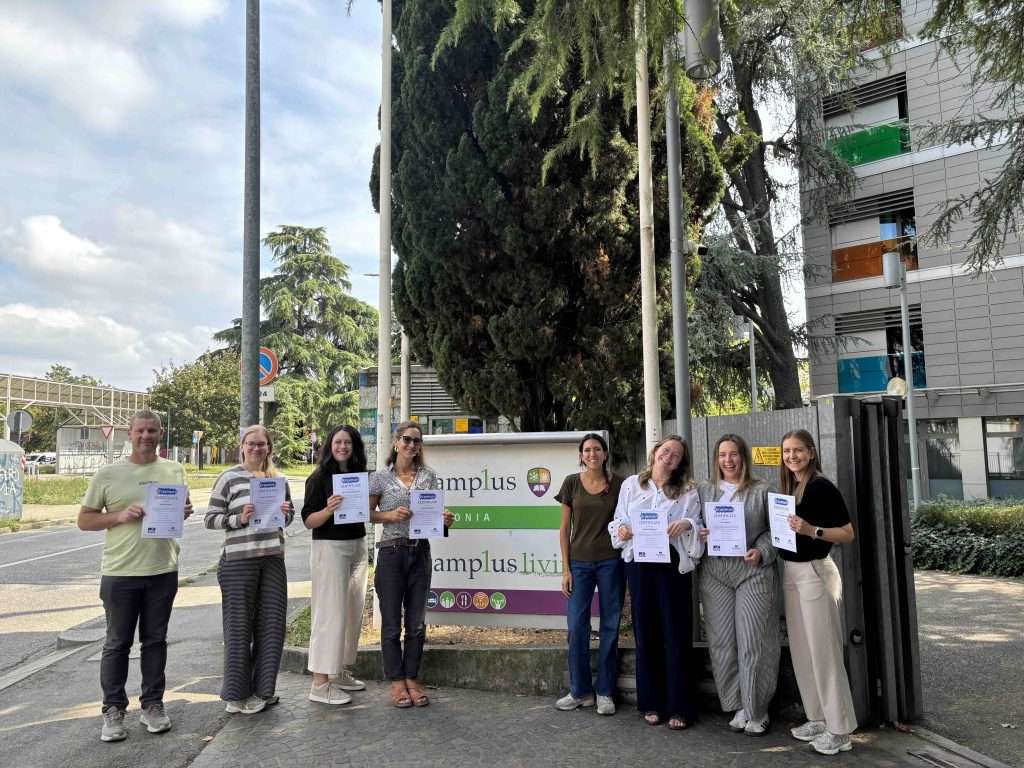
The course gave participants practical ideas to take back to their own educational settings, while also providing an opportunity to exchange experiences with colleagues from different European countries.
Maggiori informazioni su questo corso qui.
Where this course took place: Erasmus courses for teachers in Bologna
Planning your own Erasmus+ course? Scarica il catalogo corsi 2026-2027
 English (UK)
 Español
 Italiano
 Deutsch
 Română
 Български
 Čeština
 Ελληνικά
 Polski
 Português
 Français