Every classroom brings together students with different backgrounds, experiences, personalities, and ways of seeing the world. For teachers, understanding these differences is essential for creating a learning environment where everyone feels respected, included, and able to participate. The course “Diversity in the classroom: teaching tolerance and overcoming prejudices and discrimination” focused on this challenge, exploring how teachers can help students understand diversity and overcome prejudice and discrimination.
The course took place in Tenerife from 4 to 10 October 2026 and brought together educators from Portugal, Italy, and the Czech Republic. Participants included Maria José, Maria Judite, e Patrícia Marisa from Agrupamento de Escolas de Arruda dos Vinhos, Portugal; Elena, Katia, e Roberto from IC Bonvesin de la Riva, Italy; Katerina from the Regional Centre of Education in Pilsen, Czech Republic; and Anna e Elisa from Istituto Istruzione Superiore Elsa Morante, Italy.
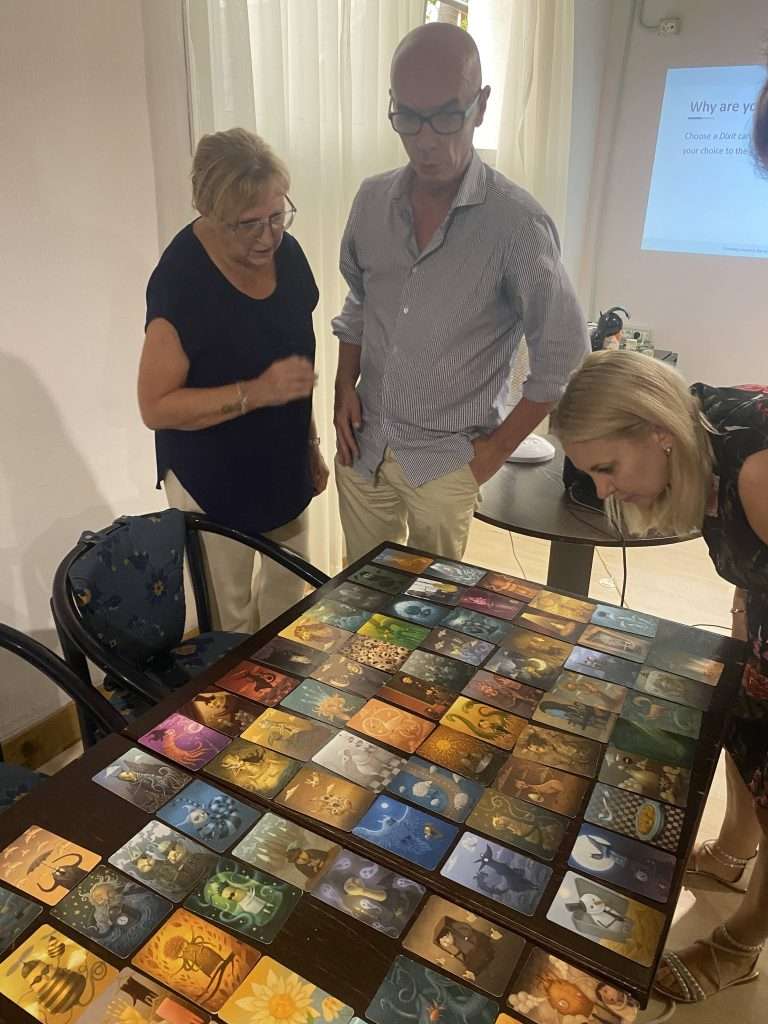
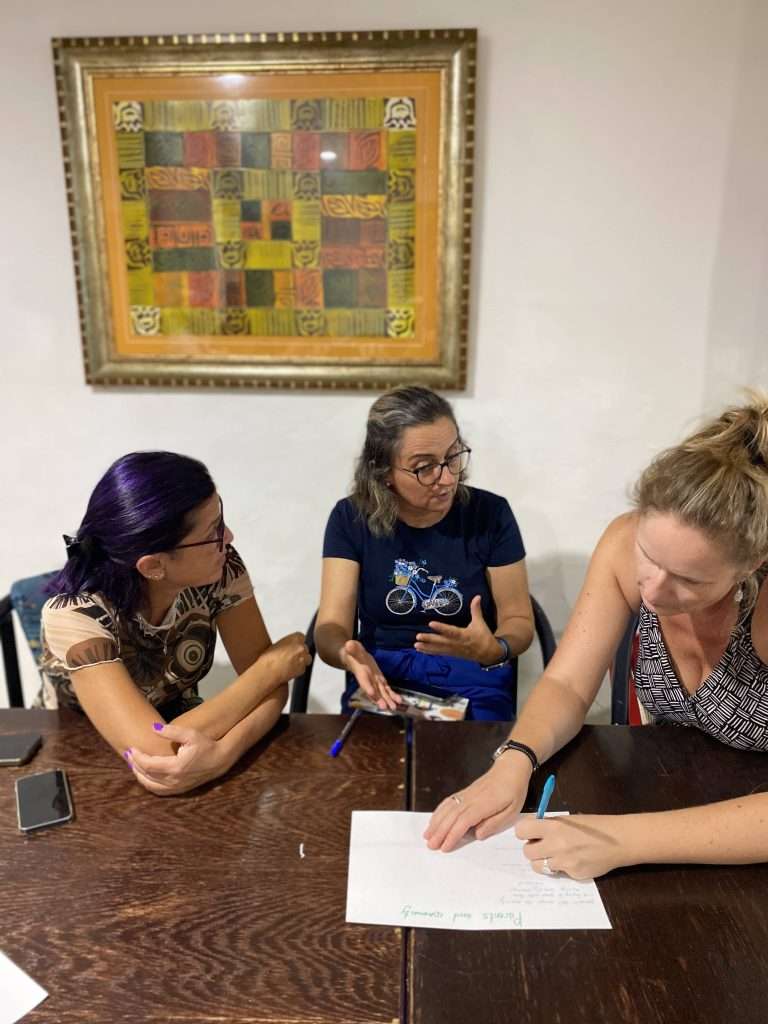
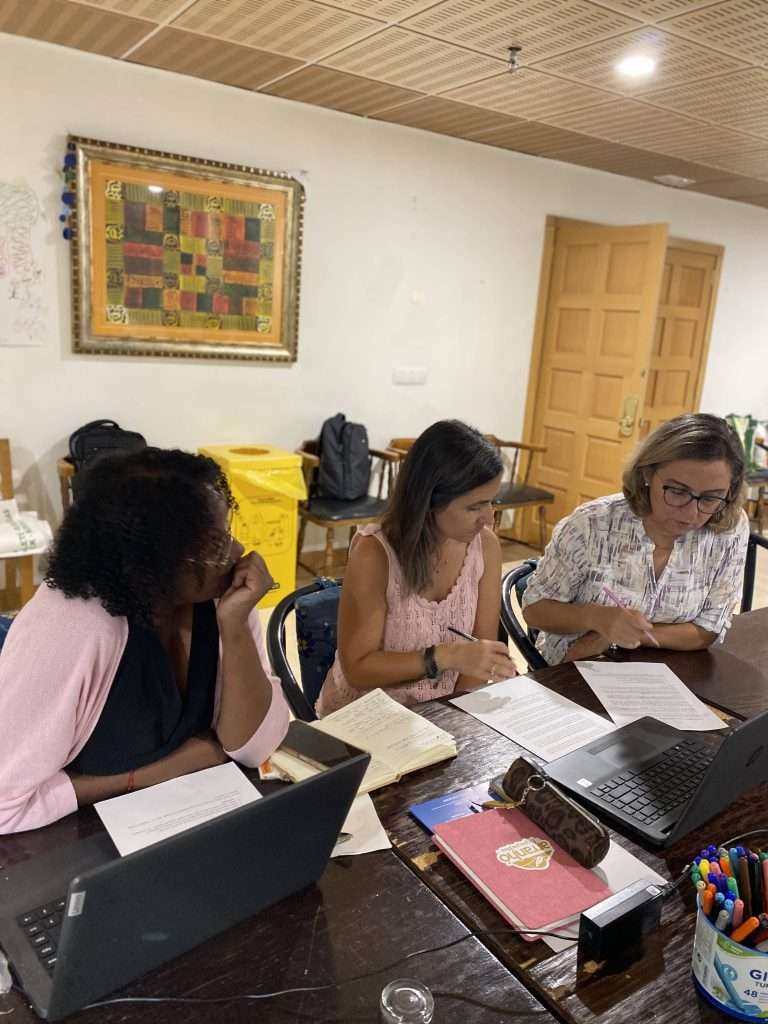
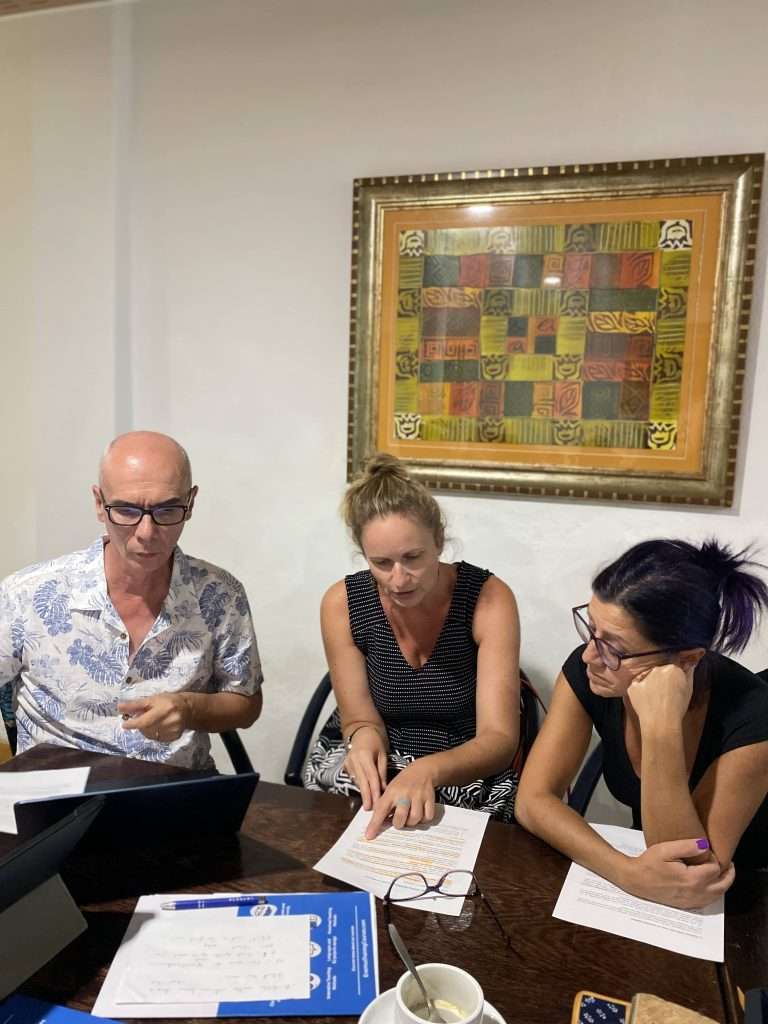
The week began with activities exploring identità, encouraging participants to reflect on the visible and less visible characteristics that shape who we are. This led into discussions about cultural diversity and belonging, and how people cannot be defined simply by their nationality or background. Participants then examined stereotypes, prejudice, and discrimination, using storytelling and practical activities to understand how assumptions can influence the way we see and treat others.
As the course progressed, the focus shifted towards awareness, respect, and inclusion. Through simulations, critical-thinking exercises, and group activities, teachers explored how personal experiences and values influence our perspectives, as well as what it means to feel included or excluded. Collaborative activities also highlighted the importance of communication, flexibility, and cooperation in creating supportive classroom environments.
The course concluded with a focus on empatia and the importance of helping students understand and express their emotions while learning to see situations from other people’s perspectives. Throughout the week, participants shared experiences, worked together, and connected the activities to real classroom situations.
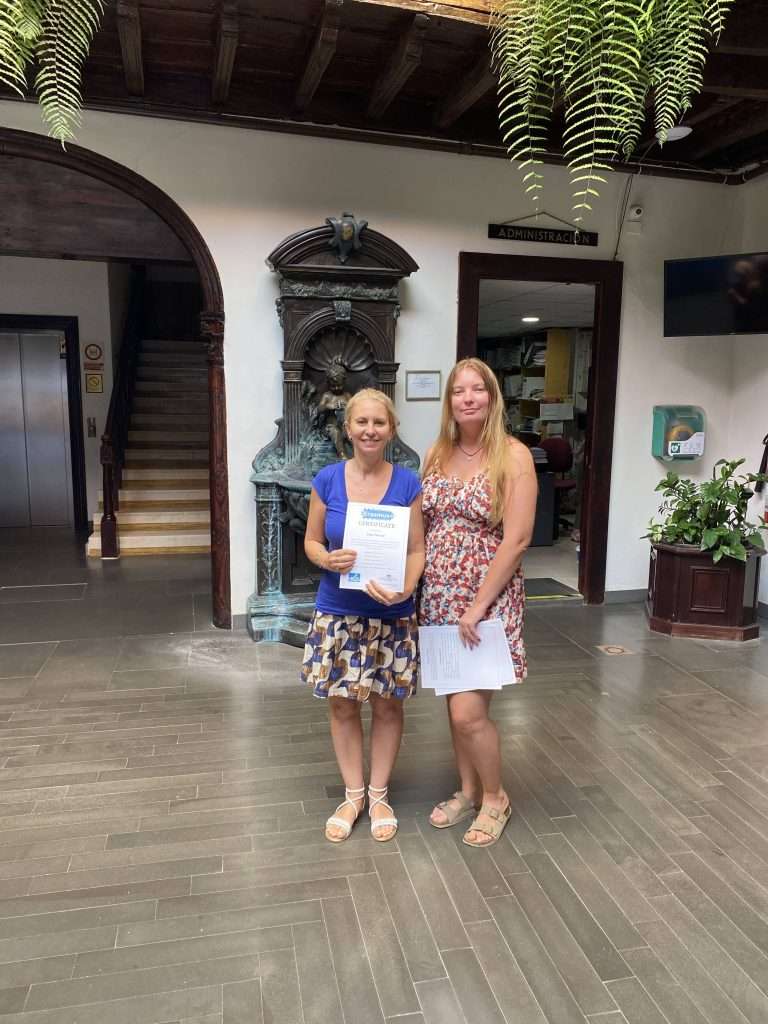
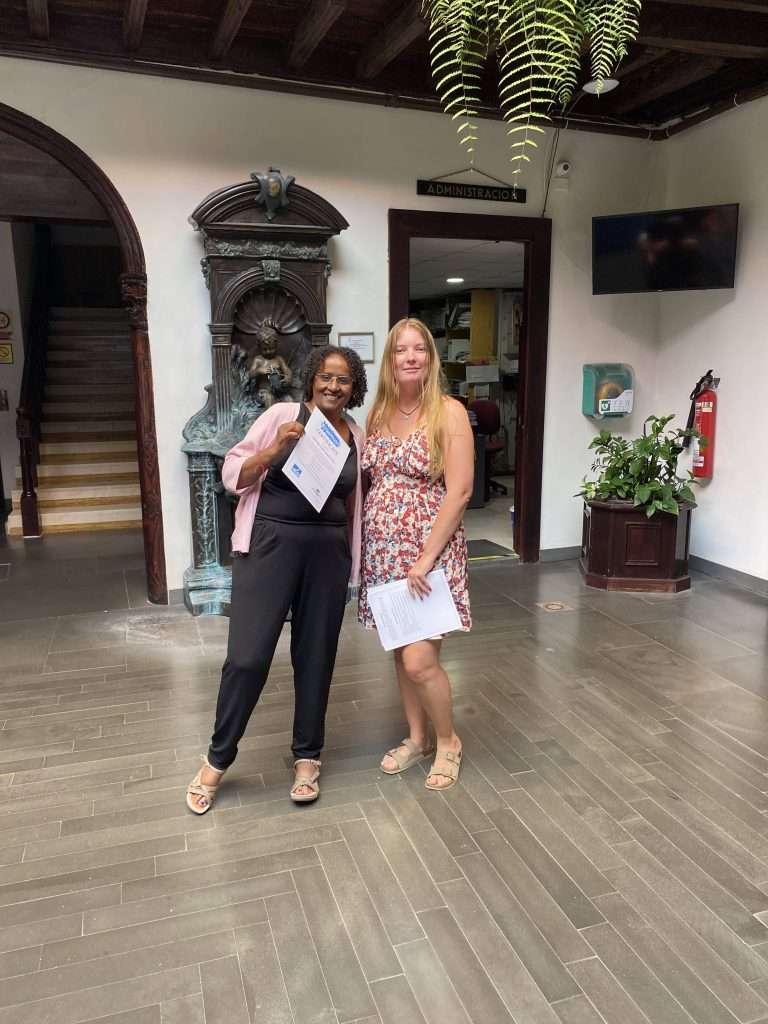
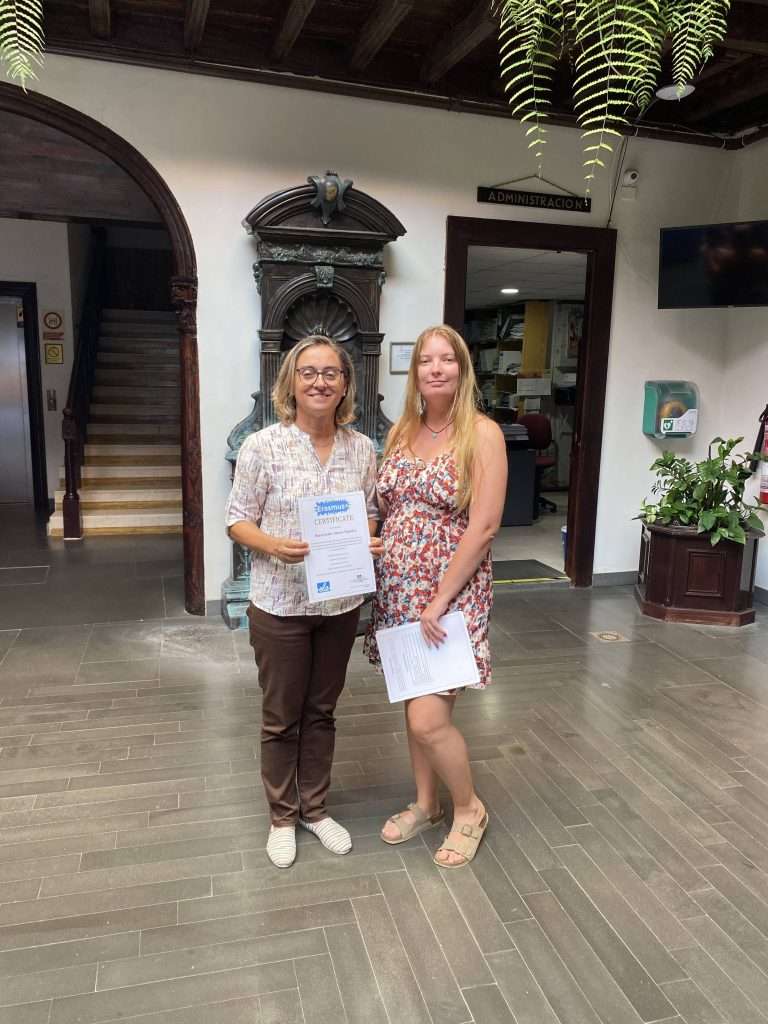
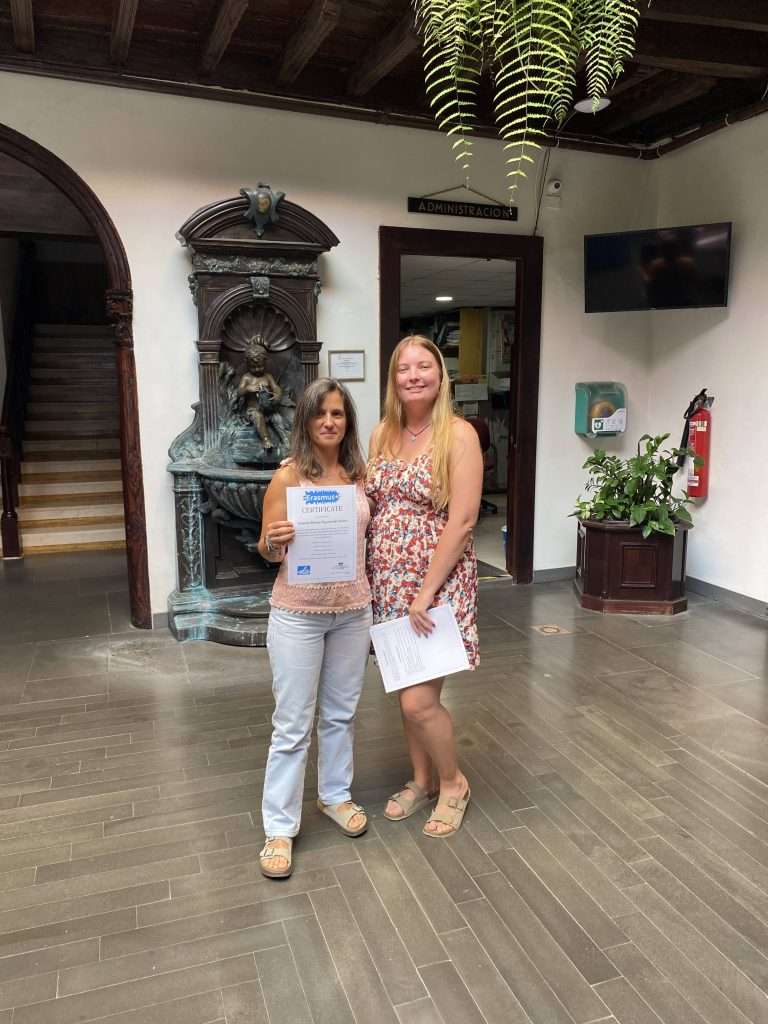
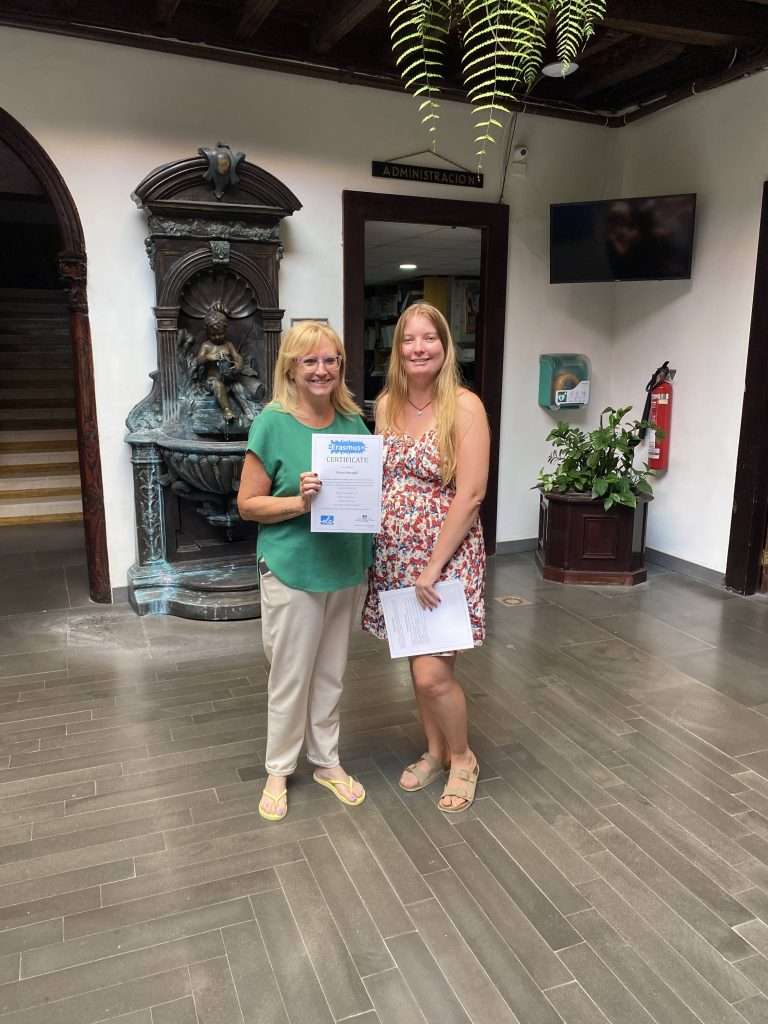
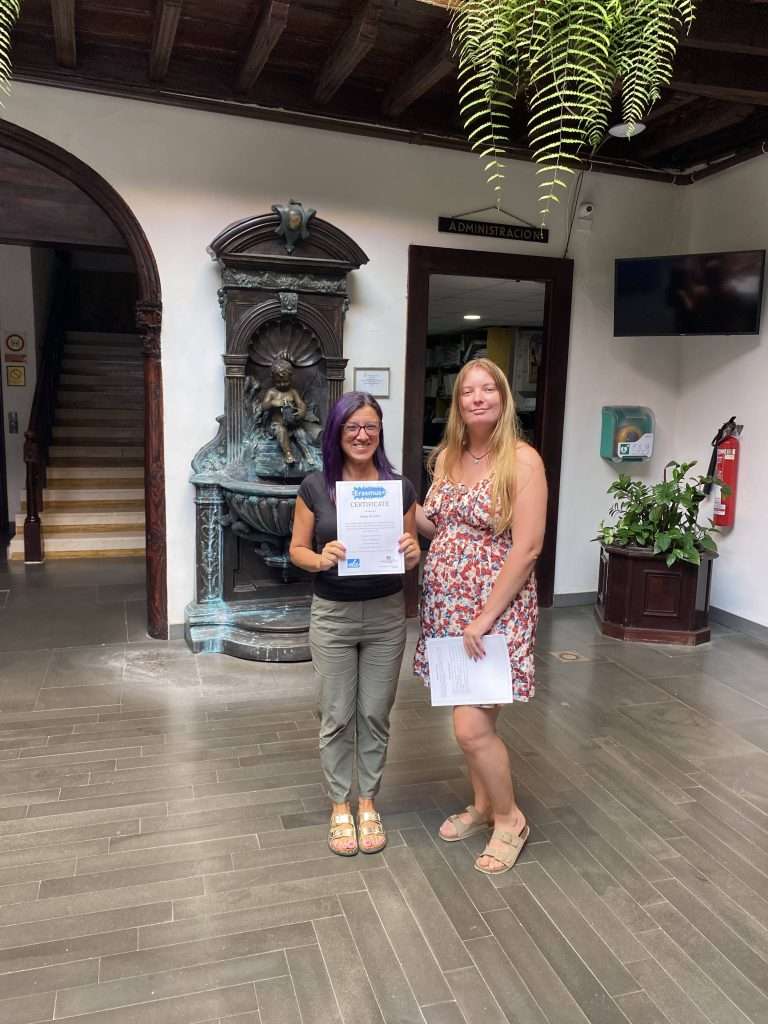
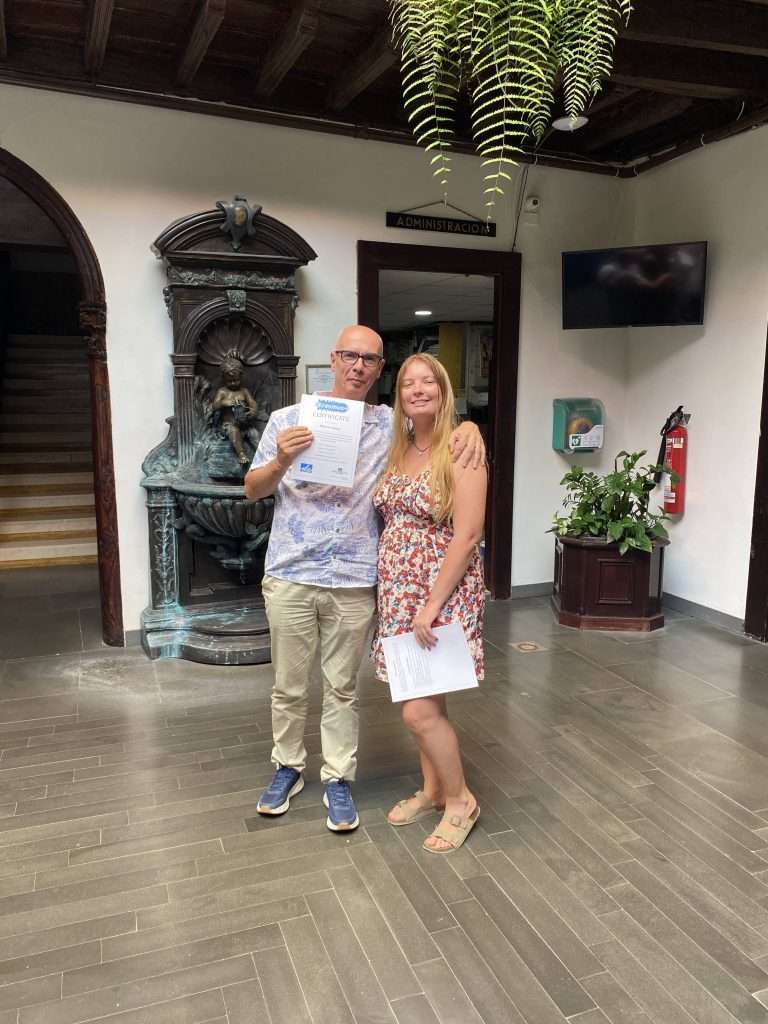
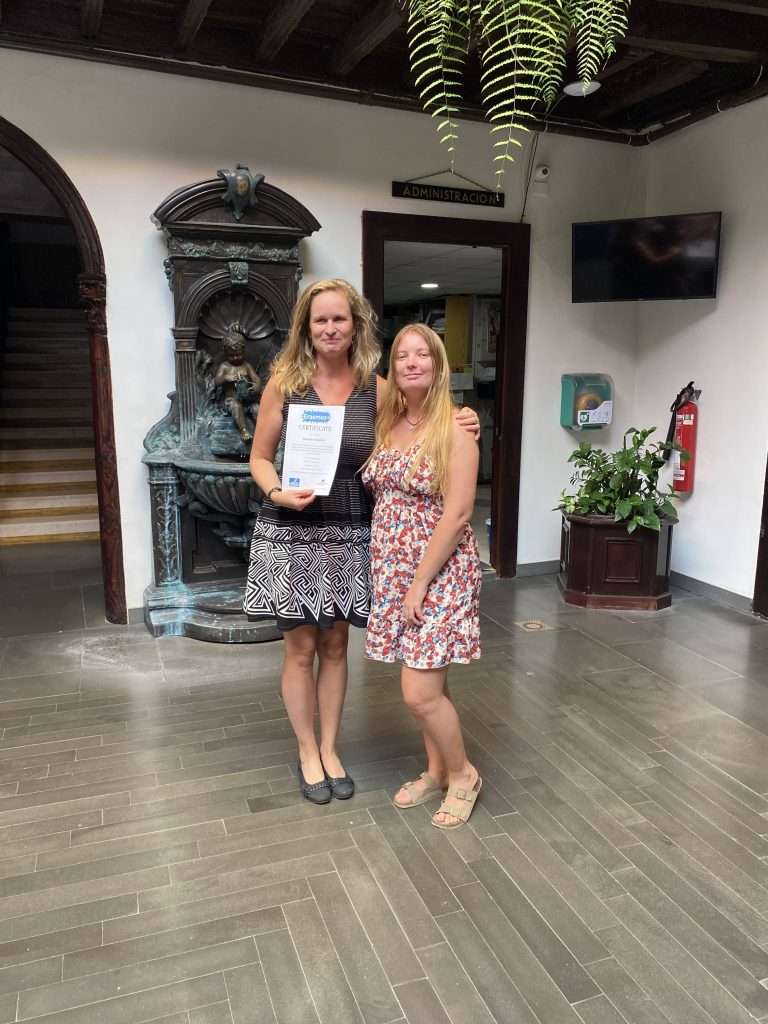
By the end of the course, participants had gained new perspectives and practical ideas for addressing diversity, challenging stereotypes, encouraging empathy, and creating more inclusive learning environments. The experience showed that teaching tolerance starts with everyday classroom interactions and with giving students the opportunity to understand both themselves and others.
Scopri di più su questo corso qui.
Where this course took place: Erasmus courses for teachers in Tenerife
Planning your own Erasmus+ course? Scarica il catalogo corsi 2026-2027
 English (UK)
 Español
 Italiano
 Deutsch
 Română
 Български
 Čeština
 Ελληνικά
 Polski
 Português
 Français