Today is more than important to work on factors that can help preventing and managing Early School Leaving and conflicts. This is the aim of this training course which is every day more and more crucial even if there are no easy answers. With a holistic approach in mind, during the course the participants will learn how to identify the causes of this phenomenon and the best approaches and strategies to prevent, tackle and reduce it as well as the keys to conflict management.
The new edition of the course “Preventing conflicts and tackling Early School Leaving” took place in Palermo from June the 28 to July the 4. The participants came from all across Europe, with Mercedes Agra Fernández and Eva Regueiro Pedreira from Asociación Agarimo (CPR Agarimo), Spain; Iwona Jasińska and Agnieszka Jasińska – Janczak from Zespół Szkół nr 1 im. Mikołaja Kopernika w Koszalinie, Poland; and, last but not least, Rubén Moreno López and Almudena Samos Juárez from Consejería de Educación, Cultura y Deportes de Castilla-La Mancha, Spain.
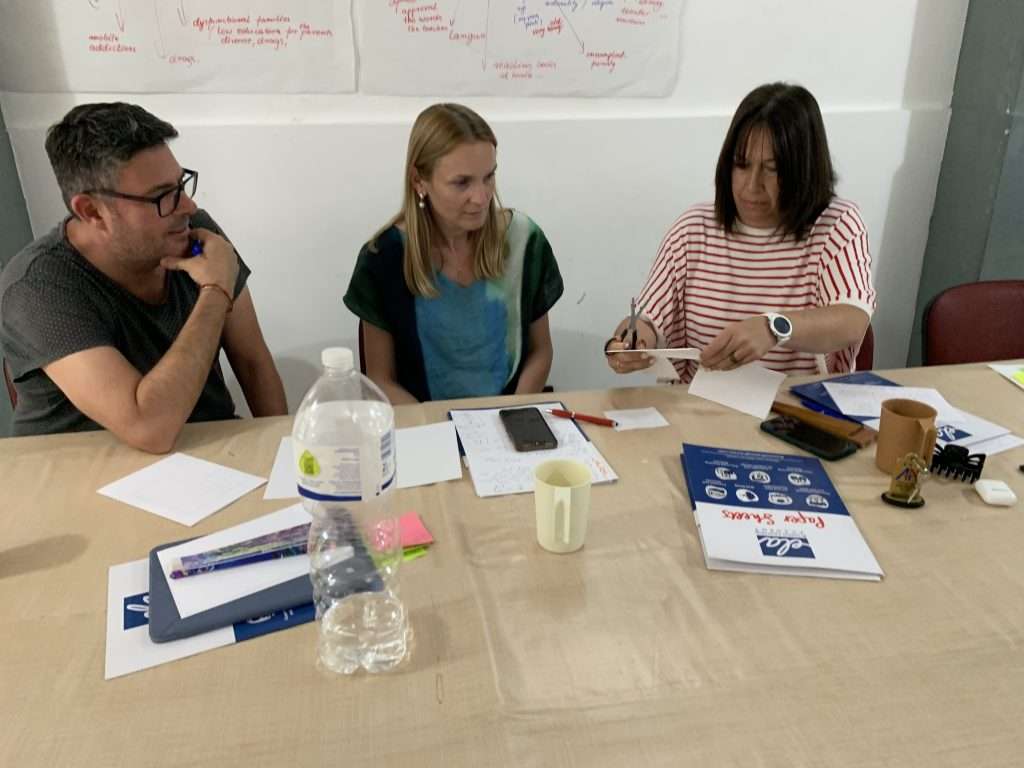
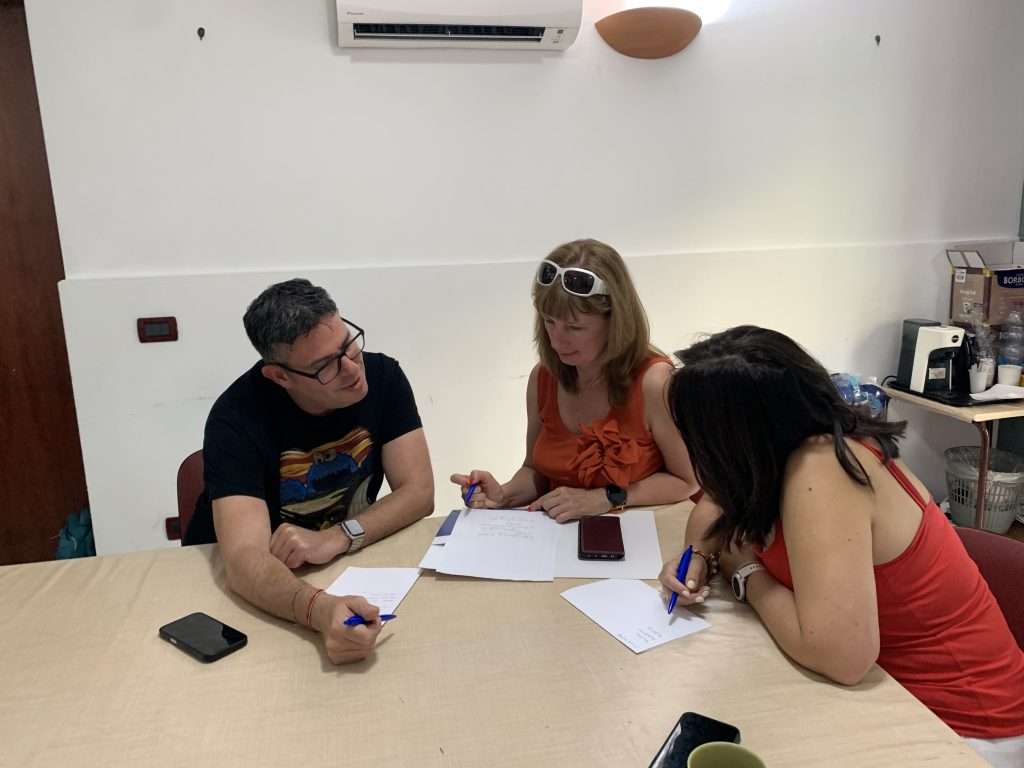
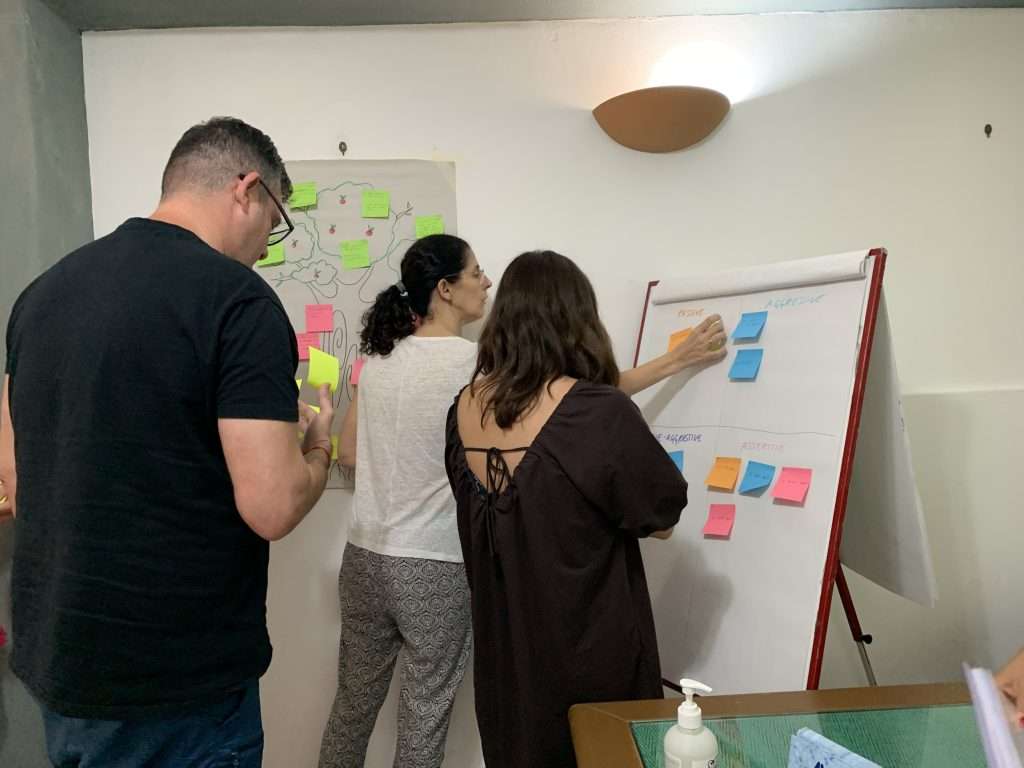
Early school leaving is a widespread problem across Europe and being in a European context, participants got the chance to explore different perspectives at the national level. On the first day, they focused on defining what Early School Leaving means and on identifying the main risk factors. This allowed the participants to underlie causes, and the potential consequence of early school leaving.
We started from the assumption that in order to develop an early school leaving approach, we deeply need to connect to our students, to be closer to their interests and their feelings. The participants engaged in hands-on activities to learn about the importance of active listening e intelligenza emotiva in creating social connection.
The participants went on discovering the gestione dei conflitti topic. First, we dedicated some time for a perspective change. With the support of an inspirational TED Talk, the group who initially associated the idea of conflict to something essentially negative, realized afterwards how conflicts provided in their life unique opportunities to improve their relationship, communication and understanding.
Afterwards the group practiced some non-formal activities to reflect the importance of membership and collaboration. Strategies for collaborative work and peer-education were analysed.
The group focused then on how to battle negativity in the classroom, through group reflection and practical activities. We analyzed different conflict management styles and discussed their concrete application in different situations. Then the group defined and characterized the main reactions you
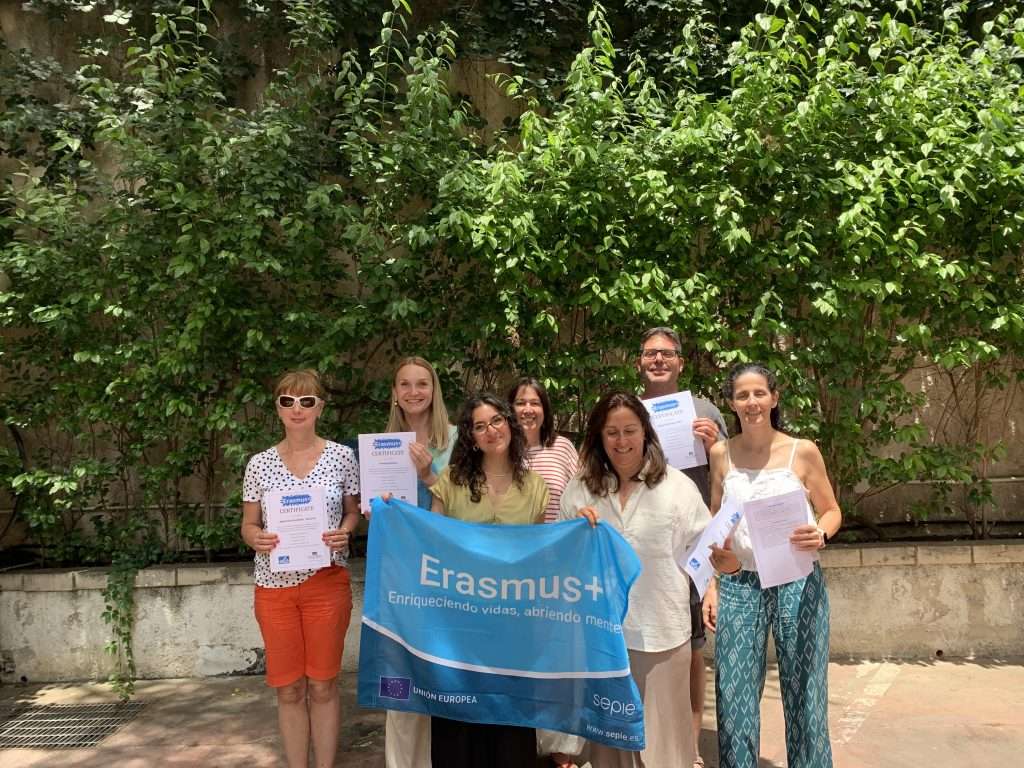
In the end, we analyzed through visual tasks and group reflection the phenomenon of bullying and possible strategie to become upstanders and stop bullying.
The key word of this week training course was “transformation”: we learned how to change perspective on conflicts, how to transform the strong and sometimes negative energy of some students into something positive and productive, how to change our mindset from fixed to growth, how to transform a group of people into a team.
Scopri di più su questo corso Qui.
Where this course took place: Erasmus courses for teachers in Palermo
Planning your own Erasmus+ course? Scarica il catalogo corsi 2026-2027
 English (UK)
 Español
 Italiano
 Deutsch
 Română
 Български
 Čeština
 Ελληνικά
 Polski
 Português
 Français