Nowadays we are living in a critical time in history where we cannot ignore the topics of climate change and environmental sustainability. Because the consequences of the state of the environment will be mainly faced by the future generations, it is essential that teachers learn how to bring out these matters inside the classroom. Moreover, it is even more important to learn how to address these topics, encouraging a sense of possibility of change rather than despair.
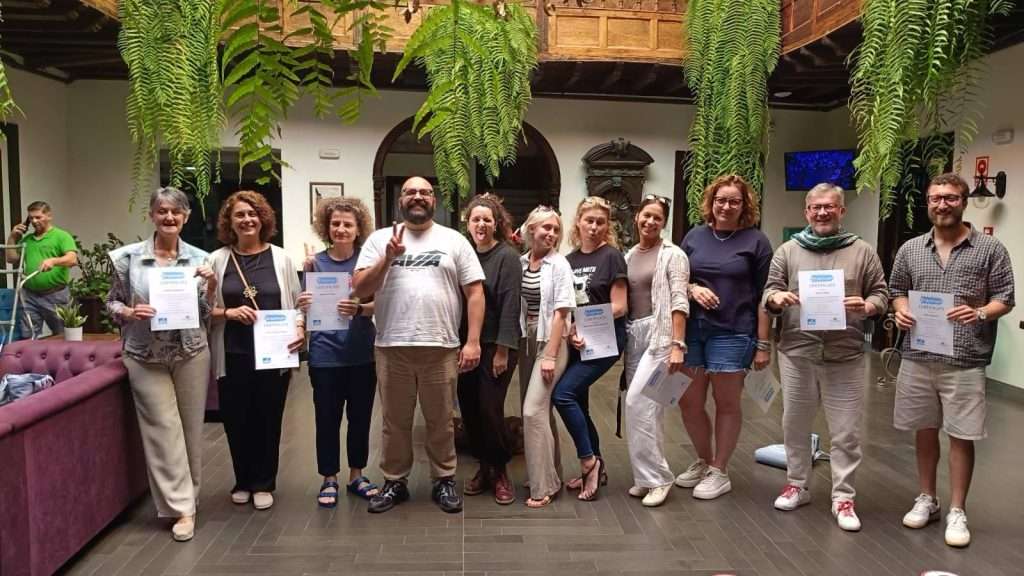
This new course “Competenze verdi per l'educazione: promuovere la consapevolezza ambientale e le azioni sostenibili in classe”, took place in Tenerife da 17/05/2026 to 23/05/2026, with 10 participants from 3 different countries: Rosario, Lucrezia and Marco from Conzorcio NOESIS in Italy; Elisa from NIA in Italy; Malgorzata, Sylwia and Aldona from NIA in Poland; and Eirini, Vasiliki and Aikaterini from Art School of Argolis in Grecia.
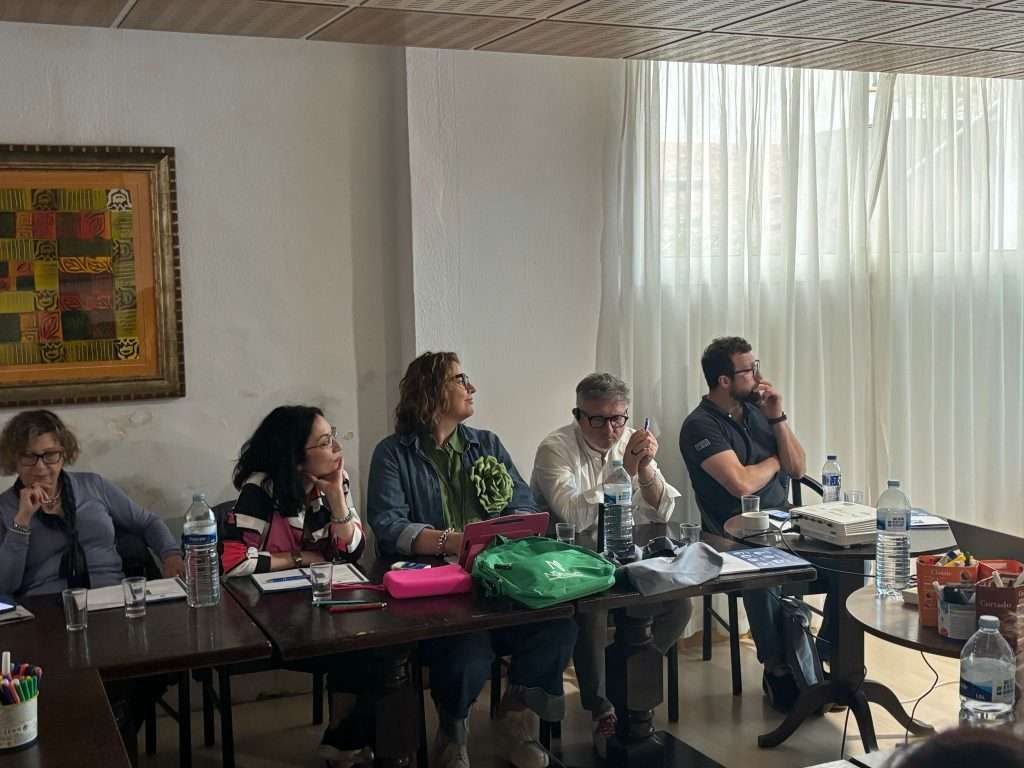
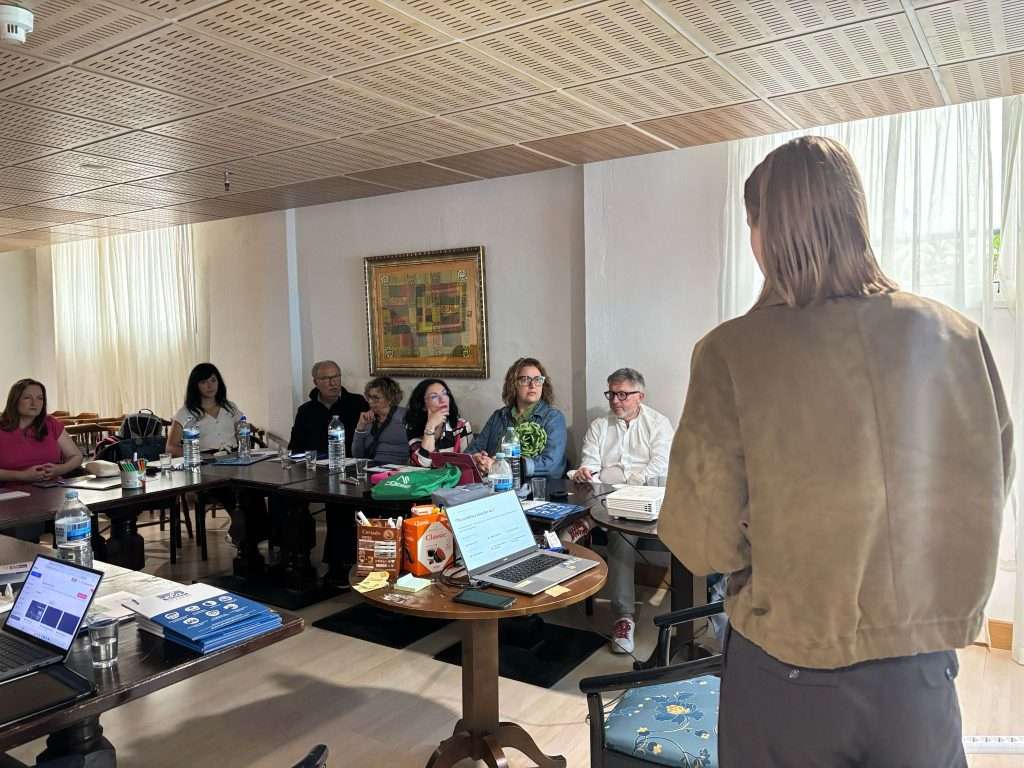
At the start of the week, we explored the concept of Green Skills and their importance in today’s society. During the first day, participants reflected on the terminology associated with green competencies, which led to discussions about Sustainability and sustainable development. On the following day, the group examined the issue of Greenwashing, carrying out research on brands from their own countries to distinguish genuinely sustainable products from misleadingly marketed “green” alternatives.
Another key topic of the week was Agenda 2030 and the Sustainable Development Goals (SDGs). Working in groups, participants focused on the seven goals connected to environmental sustainability. They also discovered how every activity, game, and theoretical session throughout the course was intentionally linked to specific SDGs.
Participants experienced firsthand how meaningful change can begin with small actions, while also learning strategies to involve young people and adults in sustainable development. Through a variety of activities, they reflected on global warming, carbon footprints, tipping points, consumerism, and other issues related to climate change.
Two days of the course were devoted to non-formal education methods for addressing climate change. In particular, participants engaged in outdoor activities designed to strengthen students’ connection with nature, explored techniques to boost creativity and participation, and learned how Project Based Learning can support teachers in encouraging environmentally conscious attitudes.
An important component of the course was the integration of ICT tools to enhance learning activities. These tools can help teachers increase engagement while simultaneously reducing waste, supporting more sustainable everyday practices.
Finally, one of the most valuable aspects of the course was the exchange of best practices, which gave participants the opportunity to share their experiences in sustainability and draw inspiration from projects and initiatives developed by fellow educators. We are delighted that our participants left Tenerife with smiles on their faces, a wealth of new knowledge, and unforgettable experiences to cherish.
Discover more about this course in: https://erasmustrainingcourses.com/green-skills
Where this course took place: Erasmus courses for teachers in Tenerife
Planning your own Erasmus+ course? Scarica il catalogo corsi 2026-2027
 English (UK)
 Español
 Italiano
 Deutsch
 Română
 Български
 Čeština
 Ελληνικά
 Polski
 Português
 Français