In jedem Klassenzimmer gibt es unterschiedliche Sichtweisen, Denkweisen und Lernstile. Diese Unterschiede anzuerkennen und wertzuschätzen, macht Bildung erst wirklich wirkungsvoll. Bei inklusiver Bildung geht es nicht nur darum, den Unterricht für einige wenige Schüler anzupassen, sondern darum, das gesamte Lernumfeld so zu gestalten, dass sich jeder – unabhängig von seinen Fähigkeiten oder seinem Hintergrund – wertgeschätzt und unterstützt fühlen kann.
The course “Special needs and inclusive education: the Italian experience of overcoming segregation”, held in Palermo from 30th November to 6th December 2025. This edition brought together passionate educators from across Europe: Anu, Katri, Maija, Kerttuli and Katjamaria from Taitotalo / AEL – Amiedu in Finland and Amela from Volksschule Waltendorf in Austria.
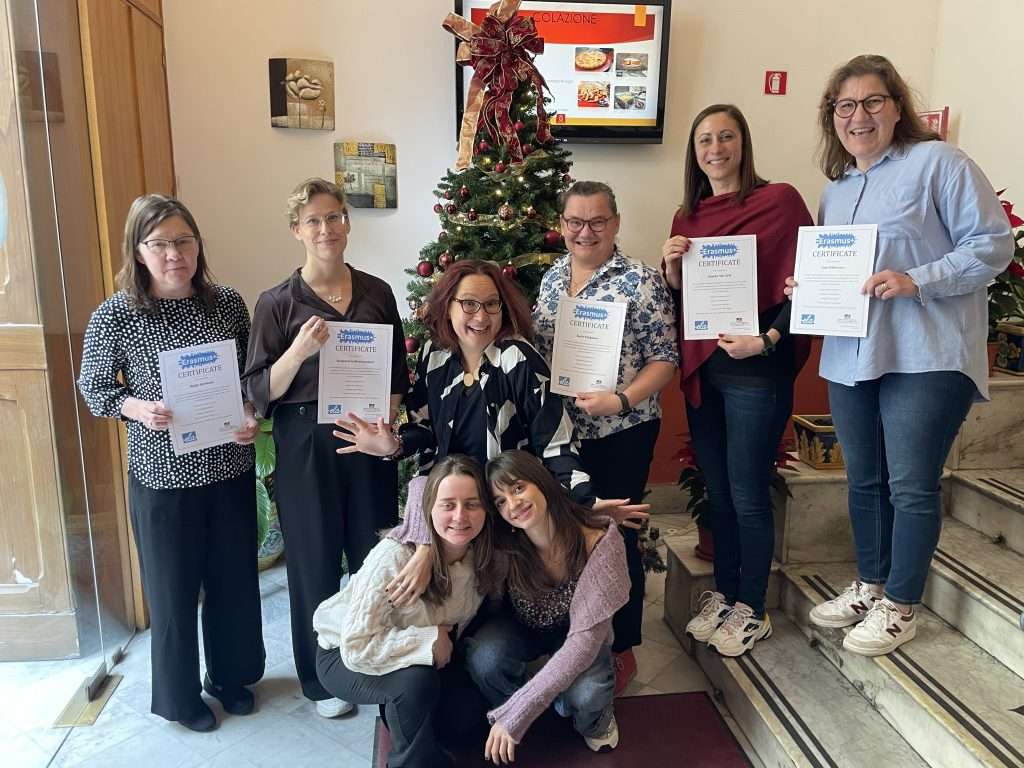
The course began with an introduction to the concept of inclusion in education, highlighting how every child should have access to meaningful learning experiences within a shared classroom environment. Through practical discussions and collaborative activities, participants reflected on their own approaches and explored ways to adapt lessons to better meet the needs of each student. They also learned how to build supportive classroom communities, where cooperation, empathy, and flexibility play a key role. To introduce themselves and provide more background, they gave a presentation about their schools and explained how the educational models work both in their institutions and in their countries
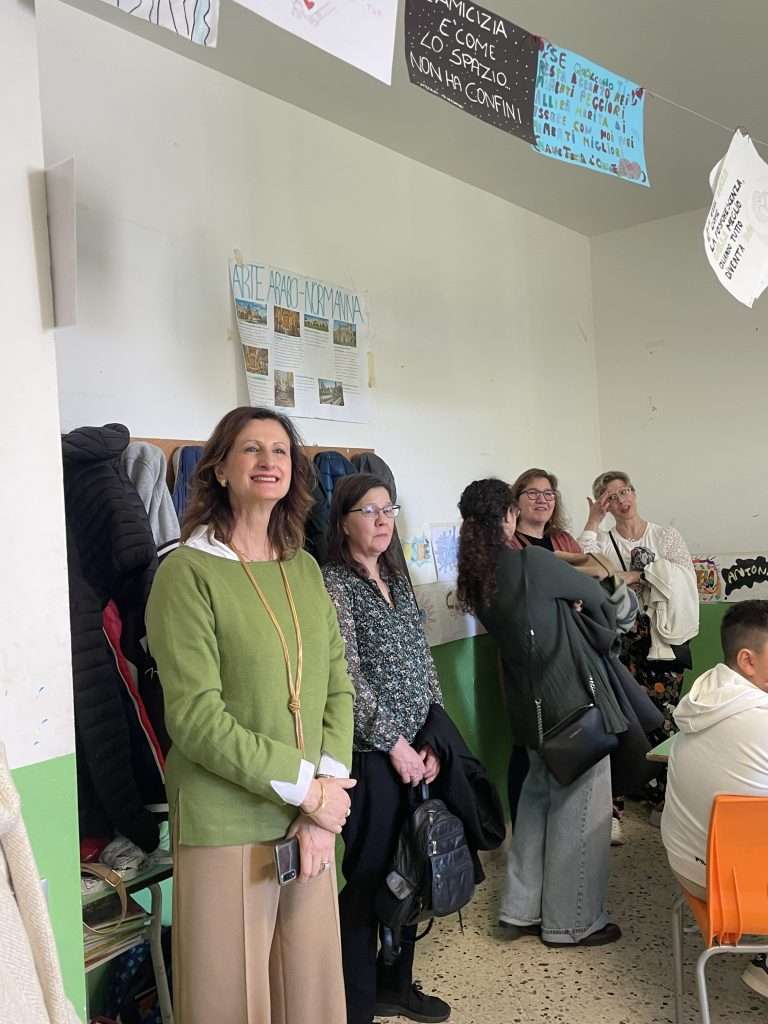
During the third and fourth days, some of the course’s highlight moments were the school visits to Istituto Livatino in Ficarazzi and Liceo Giovanni Meli in Palermo, where participants were able to observe inclusion in practice. Visiting a local public school allowed them to see how co-teaching and support systems function in real classroom settings. They sat in on classes as observers, explored the different areas of the school, and met teachers who shared their experiences and challenges, providing authentic insight into how inclusion is nurtured day by day.
During the week, the group examined the Italian model of inclusive education, which is internationally recognized for its commitment to integrating students with special needs into mainstream schools. They discussed the experience they had in the schools, and how issues of inclusion are addressed in their own educational contexts. They also reflected on how this approach developed historically and how collaboration between classroom teachers, support teachers, and families ensures that no learner is left behind.
The programme also emphasized the importance of empathy and growth mindset among educators, exploring co-teaching models and classroom management strategies that promote shared responsibility and self awareness.
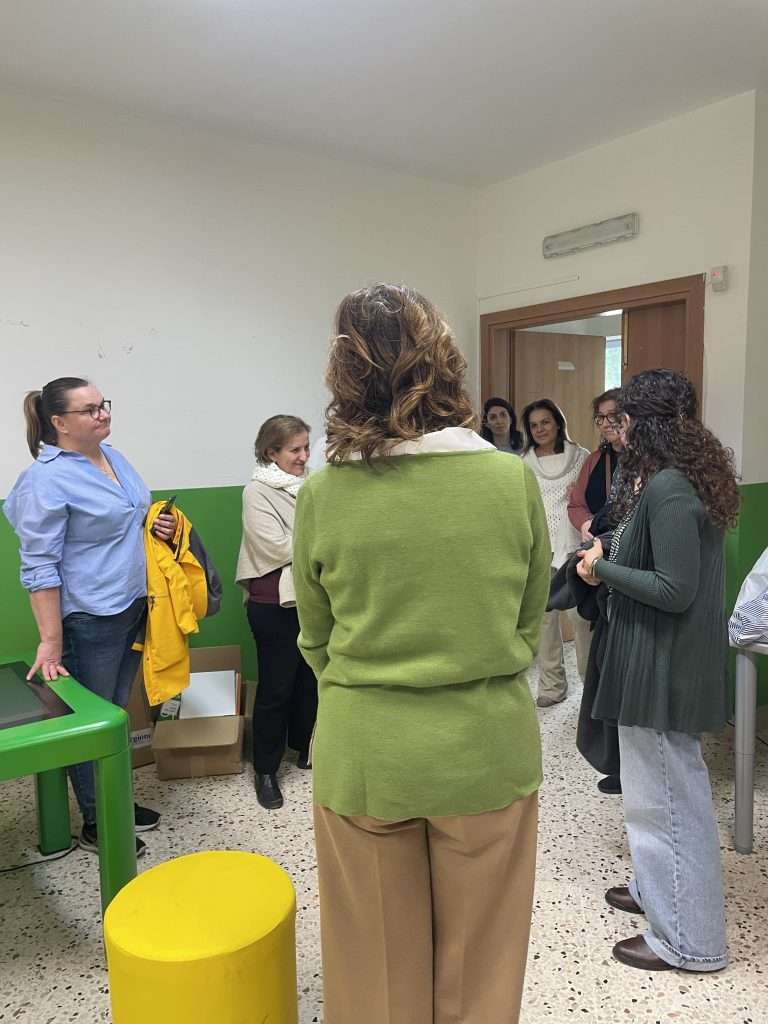
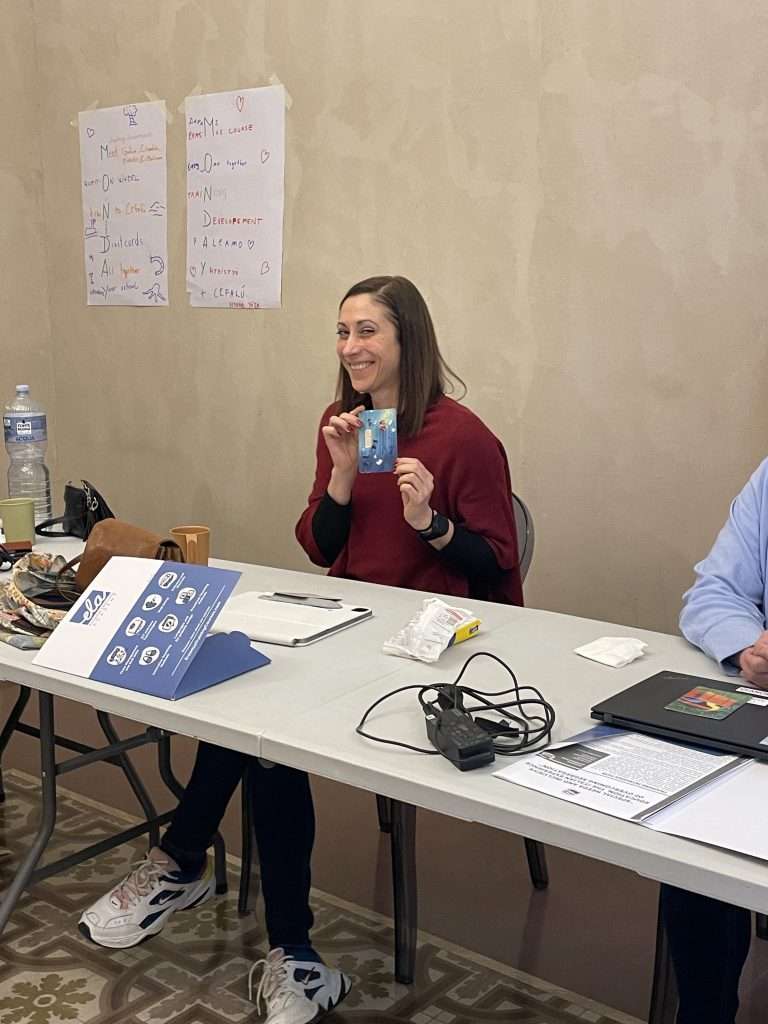
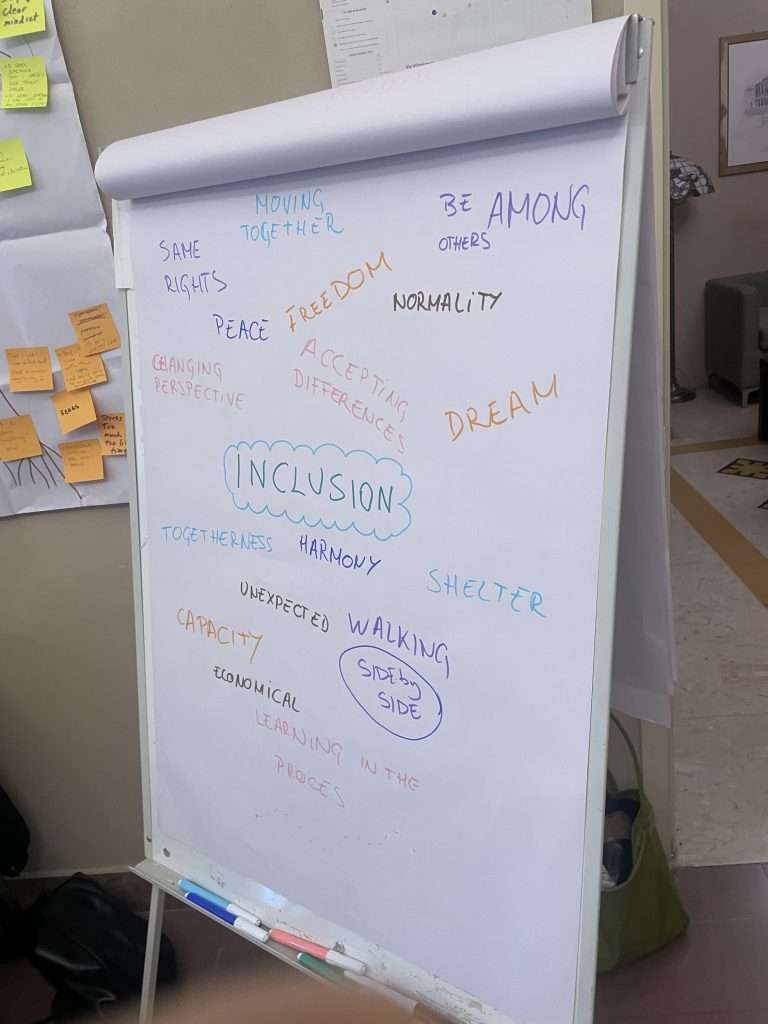
Participants explored various ICT tools and assistive technologies, discussing how these resources can enhance accessibility, motivation, and student engagement. They also reflected on how such tools can support learners with diverse needs, including students with learning difficulties, by making the learning experience more inclusive and interactive.
By the end of the week, the participants had gained a deeper understanding of how inclusive education can transform schools into spaces where every learner feels capable and valued. They left Palermo with renewed energy, practical tools, and a strong sense of community ready to continue promoting inclusion in their own educational settings.
Erfahren Sie hier mehr über diesen Kurs.
Where this course took place: Erasmus courses for teachers in Palermo
Planning your own Erasmus+ course? Fortbildungskatalog 2026-2027 herunterladen
 English (UK)
 Español
 Italiano
 Deutsch
 Română
 Български
 Čeština
 Ελληνικά
 Polski
 Português
 Français