It is not always easy for a teacher to keep up with the digital skills required to keep a classroom motiviert, engagiert und begeisterungsfähig when it comes to teaching languages. Using technology in language learning allows students to assume an active role and to communicate and cooperate with their classmates. Technological tools in support of language learning can be used for a variety of purposes such as introducing a new subject or summing up an old one, personalizing lessons and assess and challenging the students to create their own work in order to engage their creativity.
The new edition of the course “Teaching Languages in the Digital Era: The Best Apps, Web Platforms and ICT Solutions for Language Learning” took place in Bologna from 26 July to 1 August 2026. Participants came from all across Europe, including the German participants Stephanie and Johanna from Staatliche Gesamtschule Hollfeld, and Dinara, Pauline and Lissy from Bayerischer Volkshochschulverband e.V.
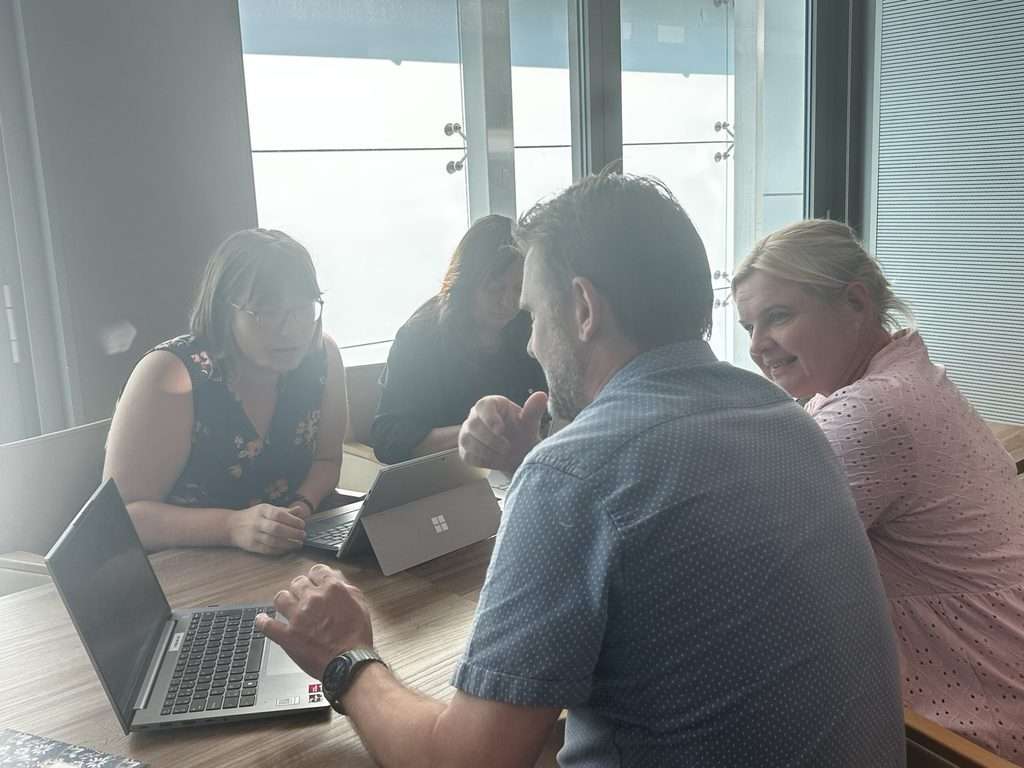
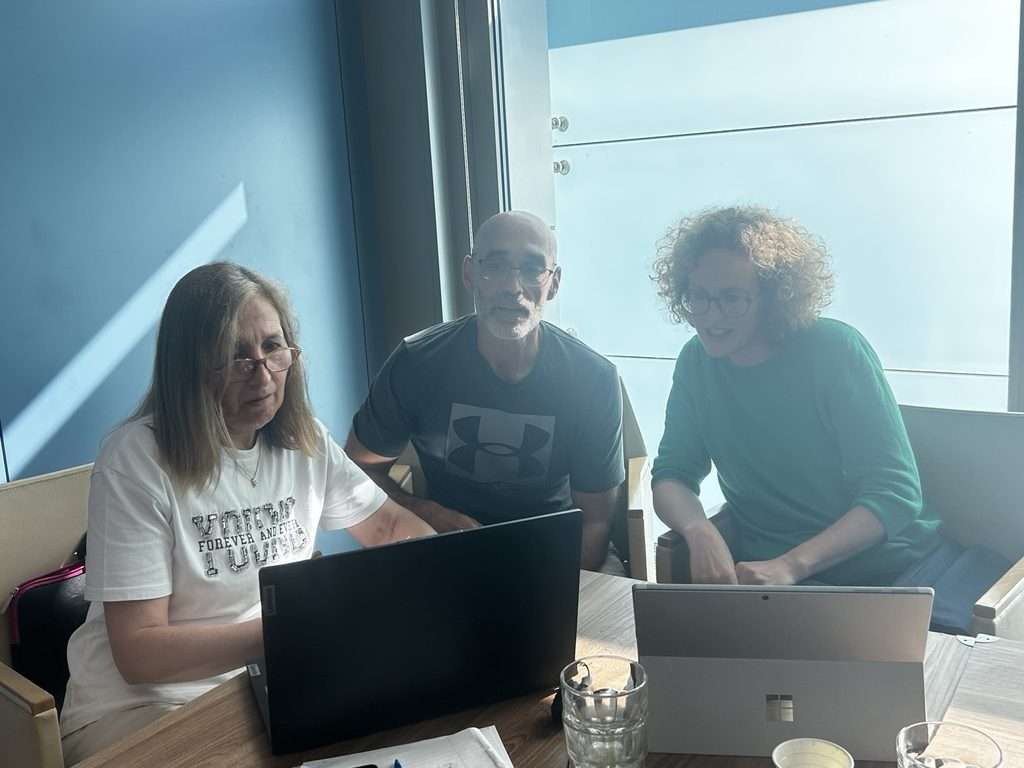
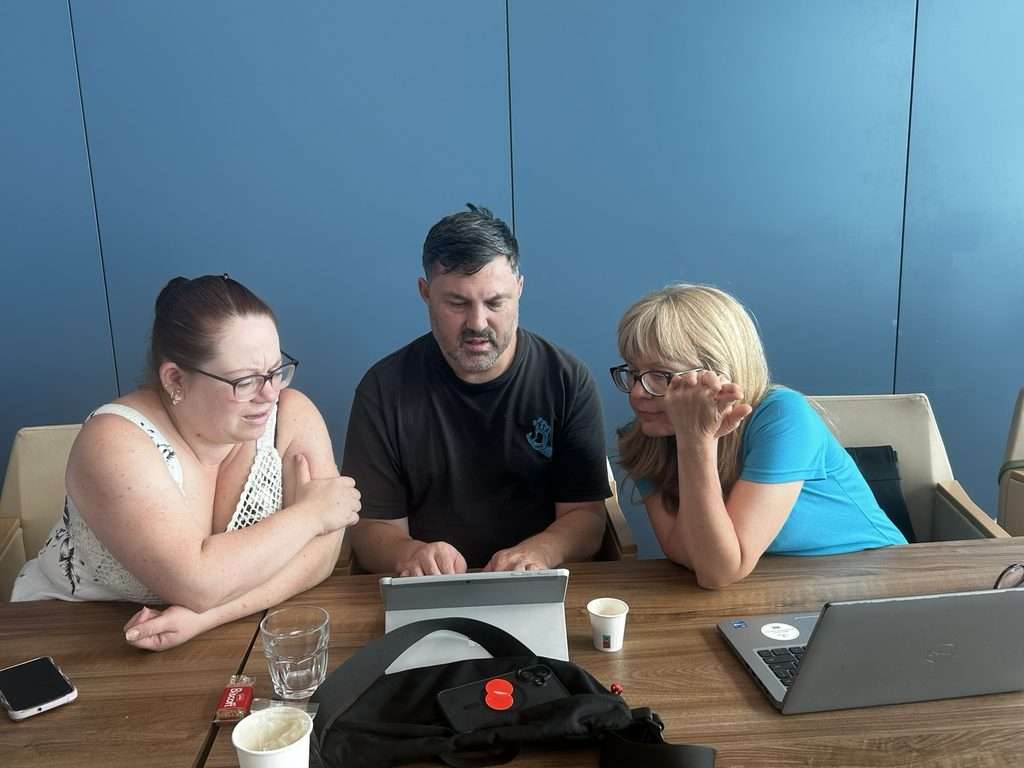
The training course also welcomed Rossana Marisa from Studieskolen, Denmark; Merle and Tiina from Antsla Gümnaasium, Estonia; and Antonio, Carlo and Scott, who participated on behalf of Escuela Oficial de Idiomas de Cádiz, Spain, CVO Brussel, Belgium, and KCV (Regional Educational Center Plzen), Czech Republic, respectively.
During this course the participants learnt how to use a vast range of technological tools and to put them into use by integrating them into their teaching methods. These tools are useful not only for engagement and motivation but also to monitor progress, for example in vocabulary learning, communication and individual work. Through the exploration and hands-on use of these tools, participants developed and previewed a variety of activities designed to strengthen one or more CEFR skills — listening, reading, speaking and writing.
In the first part of the course, participants explored the full potential of digital collaborative whiteboards through a range of tools that allow users to upload multimedia materials, encourage participation and enable simultaneous supervision, and write and communicate in different languages. These tools proved especially effective as entry tickets, brainstorming spaces, language activators, welcoming activities or wrap-up sessions.
Participants also experimented with the importance of prompting in order to build their own chatbots to use with their classes, as well as exploring how AI can be used to generate instant feedback for students. The group then focused on creating interactive presentations, podcasts, videos and interactive quizzes for formative assessment and reading/comprehension activities. These sessions were interspersed with short energizers, designed to keep participants engaged with language skills in a fun way — challenging AI, testing its limits, and exchanging information about their own languages, backgrounds and cultures. As a final activity, participants used an app builder tool to design a project bringing together all the skills developed throughout the course, creating a comprehensive activity that combined listening, reading, speaking and writing in a single, cohesive experience.
This course allowed the participants to engage in a great number of practical activities and to experience these tools first-hand. For example, they competed in a live quiz while learning how to create interactive language quizzes using a web application. Quiz flashcards, for instance, can be useful for increasing students’ vocabulary and spelling skills.
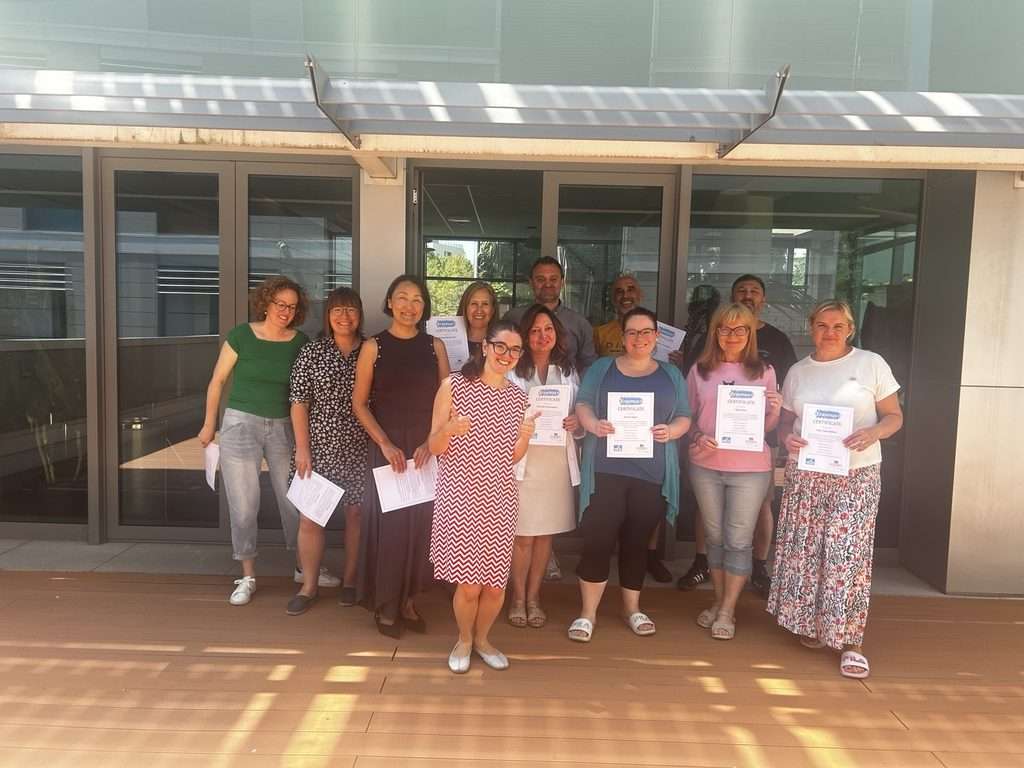
Amongst the tools discovered in this course were web platforms dedicated to creating presentations about languages. Participants had the chance to create and present their own work in a motivating environment, so that next time they can use it in their own classroom context.
In addition, participants also learnt about tools that allow users to outline and recap lesson content and prepare, for example, grammar presentations, pose questions, and monitor students’ attention in the classroom — especially valuable in a time when distance learning is very common. They also explored platforms useful for creating worksheets and explainer videos with ease.
Participants also discovered specific platforms that are particularly useful for language learning, as they allow teachers to add voice notes, questions and voiceovers to educational videos, turning them into full lessons. They also explored tools for editing pictures and videos, which are highly effective for teaching purposes — useful for preparing multimedia content, introducing a new topic or summarising a previous one, and challenging students to create their own work in order to engage their creativity.
Learning languages can be challenging, however by using the right tools and incorporating technology into the classroom there is no doubt that this can increase motivation, attention, engagement and learning skills while transforming a simple lesson into an immersive experience.
Entdecken Sie mehr über diesen Kurs hier.
Where this course took place: Erasmus courses for teachers in Bologna
Planning your own Erasmus+ course? Fortbildungskatalog 2026-2027 herunterladen
 English (UK)
 Español
 Italiano
 Deutsch
 Română
 Български
 Čeština
 Ελληνικά
 Polski
 Português
 Français