For many people working in education, English is no longer just a subject taught in classrooms — it’s becoming a tool for everyday professional life. Whether it’s communicating with colleagues abroad, supporting students on exchange projects, or exploring new teaching ideas, a basic command of English helps staff connect more easily across cultures. With this in mind, the course “Englisch-Grundkurs für Lehrkräfte” was designed to make language learning both practical and approachable, showing participants how English can be integrated into their daily routines at school and beyond.
The training took place in Teneriffa von 31/05/2026 to 06/06/2026. The participants included Coralie, Nadia and Valerie from Collège Gérard Philipe in France; Renata, Marlena and Elżbieta from Szkoła Podstawowa im. Szarych Szeregów w Górkach in Poland; and Vincenzo and Marco from Eirene in Italy; Salvatore from Iis Mose’ Bianchi in Italy. Although they came from different educational contexts, they shared the same goal — to strengthen their English skills in a way that feels useful in real situations, rather than only on paper.
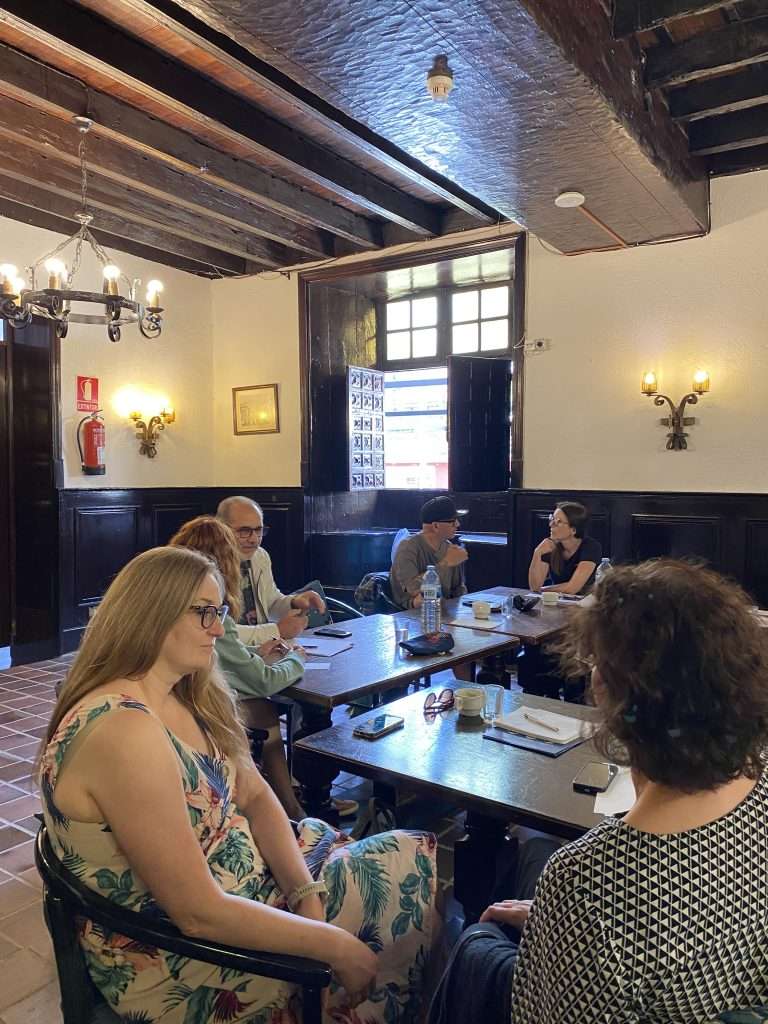
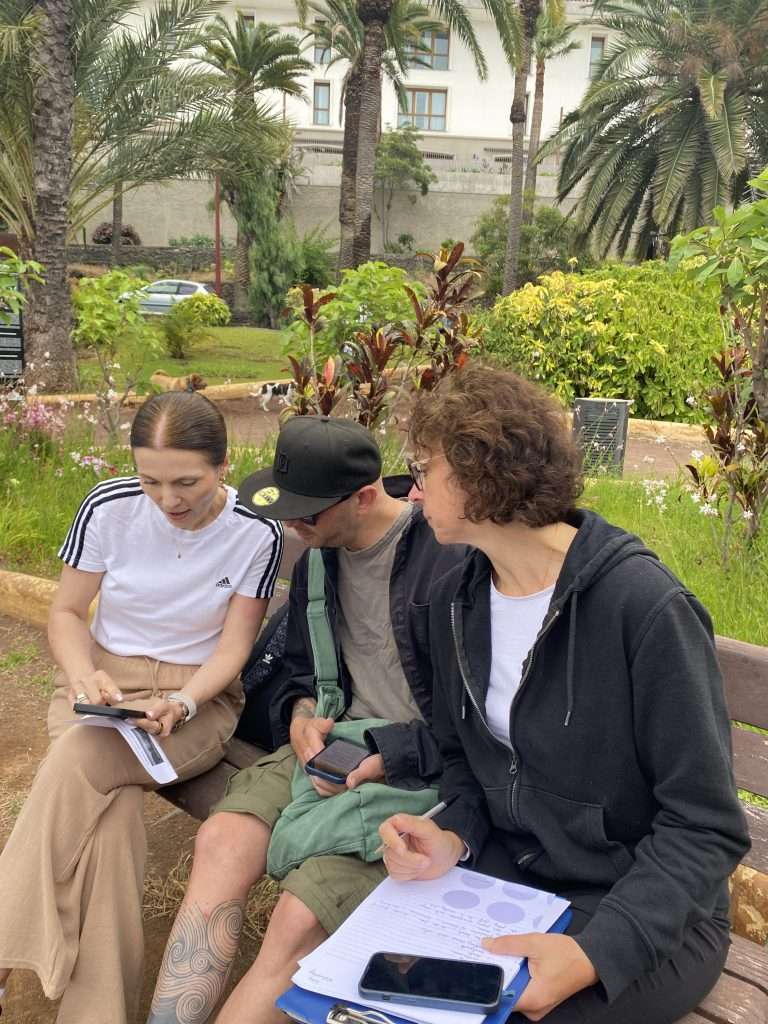
The course started with interactive activities designed to help participants feel at ease when introducing themselves and discussing everyday topics. Using the present simple tense, they talked about their daily routines, habits, and general facts, developing essential skills for basic communication. Participants also identified their expectations and learning objectives, creating a shared sense of motivation while allowing them to reflect on their strengths and areas for improvement.
After gaining confidence in speaking about daily life, participants moved on to working with the past tense. Travel served as the main theme for these sessions, as they learned how to construct sentences using both regular and irregular past forms. They then applied this knowledge by sharing experiences from past holidays and short journeys. Writing brief texts and presenting them to classmates helped participants gradually improve their fluency and confidence.
As the course progressed, attention turned to expressing future actions and plans. Participants practised using the present continuous to talk about arrangements, as well as “will” and “going to” to express intentions and make predictions. Conversations about hobbies, future projects, and personal ambitions made the learning process more engaging and meaningful, while also encouraging stronger connections within the group.
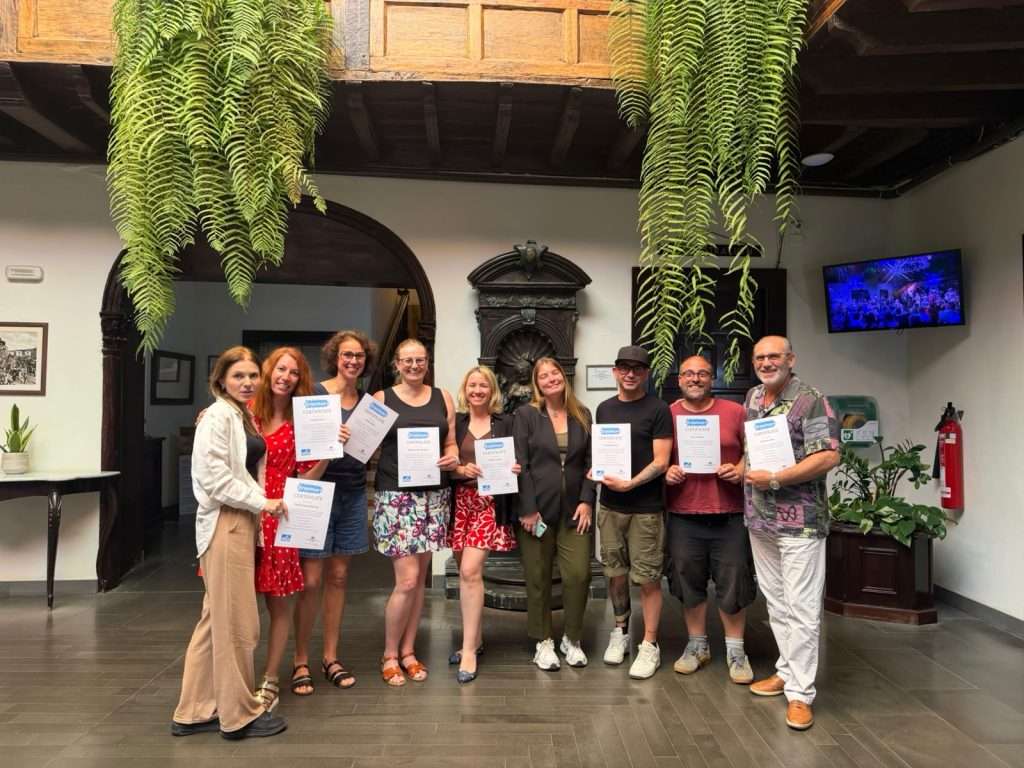
The final part of the course focused on language that could be immediately applied in professional contexts. A practical cooking activity introduced imperative forms and vocabulary related to giving instructions, while exercises involving simple emails addressed common workplace communication needs. These activities helped participants view English not merely as a subject to study, but as a practical resource that can support them in their daily professional responsibilities.
By the conclusion of the course, participants had progressed from basic introductions to using English with greater confidence across a variety of tenses and situations. More importantly, they discovered how collaborative learning—through exchanging routines, experiences, and future aspirations—can strengthen both language competence and interpersonal connections. For education staff, this development extends beyond grammar acquisition, creating new opportunities for cooperation, intercultural understanding, and professional growth.
Entdecken Sie mehr über diesen Kurs hier.
Where this course took place: Erasmus courses for teachers in Tenerife
Planning your own Erasmus+ course? Fortbildungskatalog 2026-2027 herunterladen
 English (UK)
 Español
 Italiano
 Deutsch
 Română
 Български
 Čeština
 Ελληνικά
 Polski
 Português
 Français