Caring for students’ mental health is more important than ever. Teachers are often the first to notice when something is not right, and their response can have a lasting impact.
Between 29 March and 4 April 2026, educators from across Europe came together in Teneriffa to take part in the course Wohlbefinden und psychische Gesundheit der Schüler an Schulen fördern: Strategien für Lehrkräfte und pädagogisches Personal. The programme focused on exploring ways to better understand, support, and promote well-being in educational settings.
The group represented a wide range of perspectives and experiences. Among the participants were Barbara, Dominika, and Stanisław from Liceum Ogólnokształcące im. Marii Skłodowskiej-Curie in Czechowice-Dziedzice (Poland); Odette and Sandra from Scholengemeenschap Marianum (the Netherlands); Vladimira and Lucija from Osnovna škola Braća Seljan (Croatia); Benita from Collège Auxence Contout (France); Jane and Raili from Viljandi Gümnaasium (Estonia); Erika, Svetlana, and Renata from Alytus St. Benedict’s Gymnasium (Lithuania); as well as Renate, Elina, and Sigita from Mārupe Elementary School (Latvia).
The course opened with introductions and a general exploration of mental health and well-being in schools—examining their meaning, importance, and influence on both academic progress and social interaction. Participants then looked at how to increase awareness within school communities, identify early warning signs, and foster an environment built on openness and support.
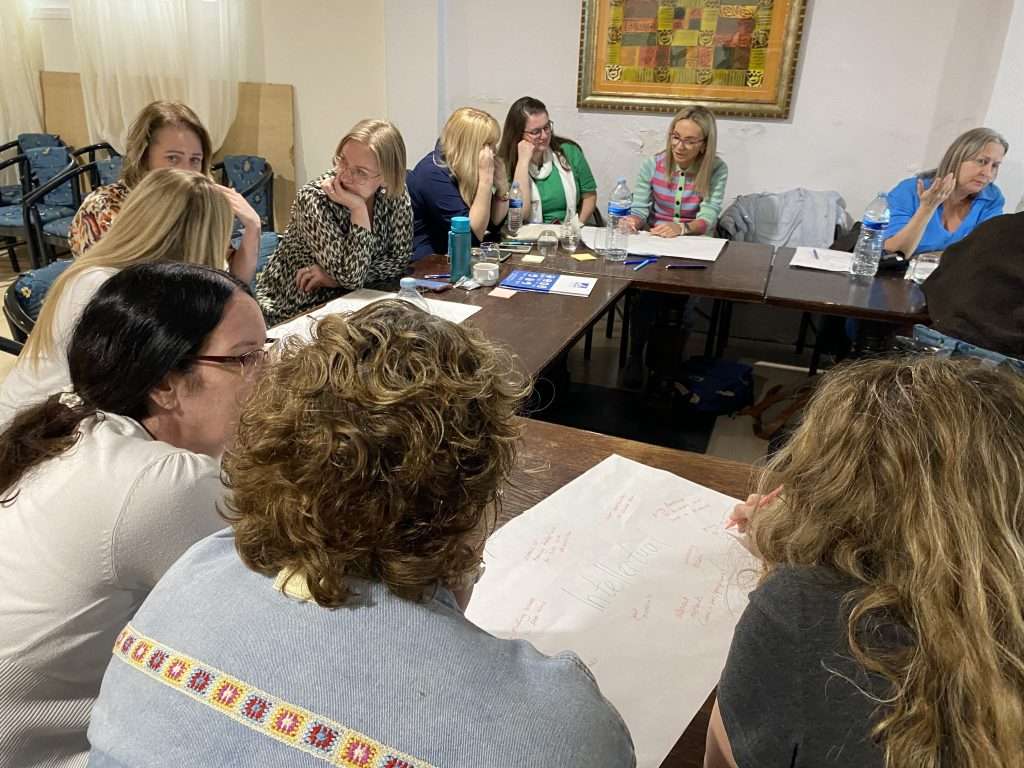
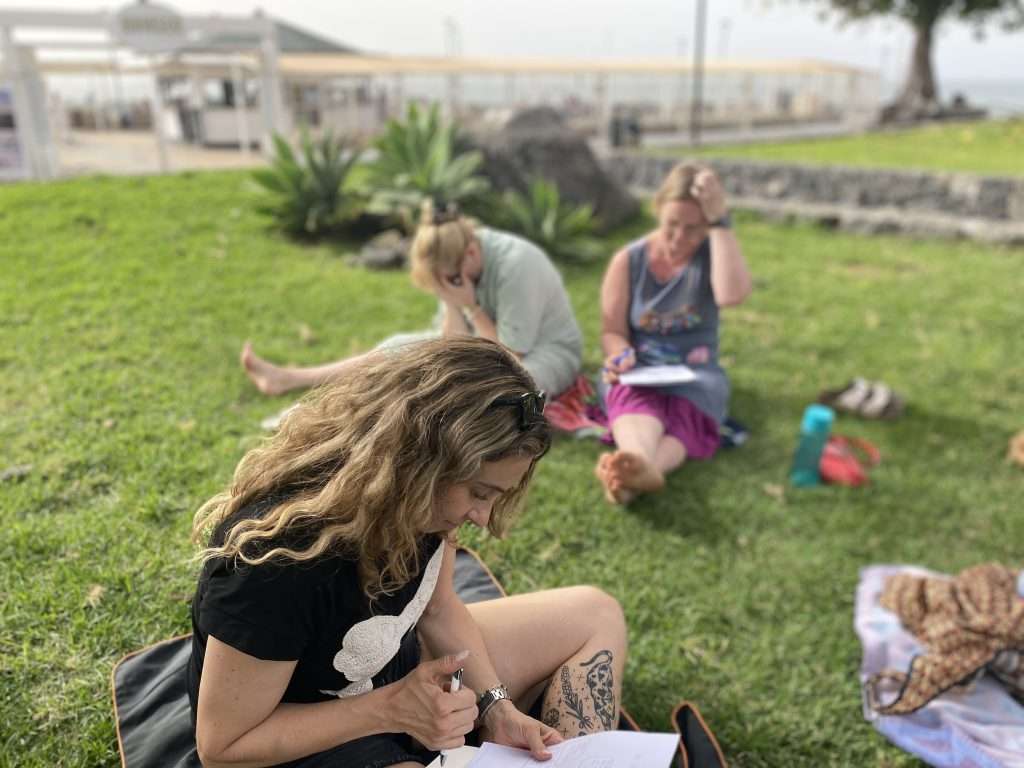
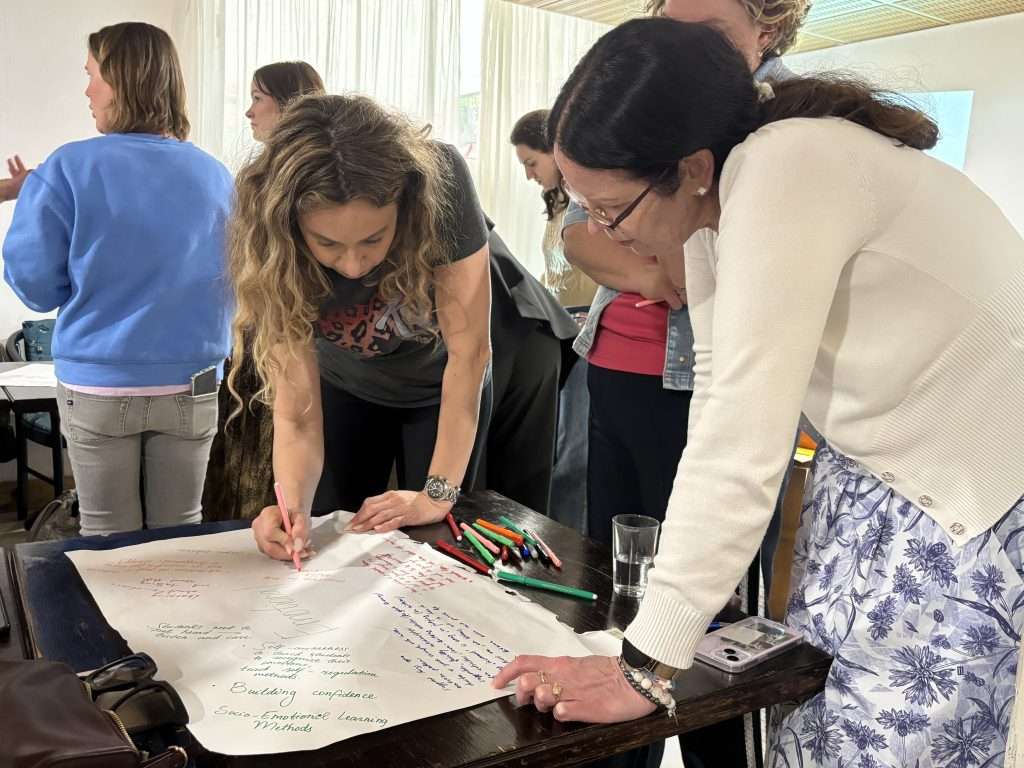
In the middle of the week, attention turned to mindfulness and sensory-focused practices. Outdoor activities allowed participants to experience how changes in surroundings and attention can improve mood and focus. The group also considered how mindfulness techniques can support students in managing emotions and handling everyday stress.
Towards the end of the course, sessions focused on emotionale Intelligenz—recognising and understanding emotions in oneself and others, and using this awareness to strengthen empathy, trust, and relationships in the classroom. The final part introduced cognitive and behavioural approaches, offering practical strategies that can be adapted for different ages and educational contexts.
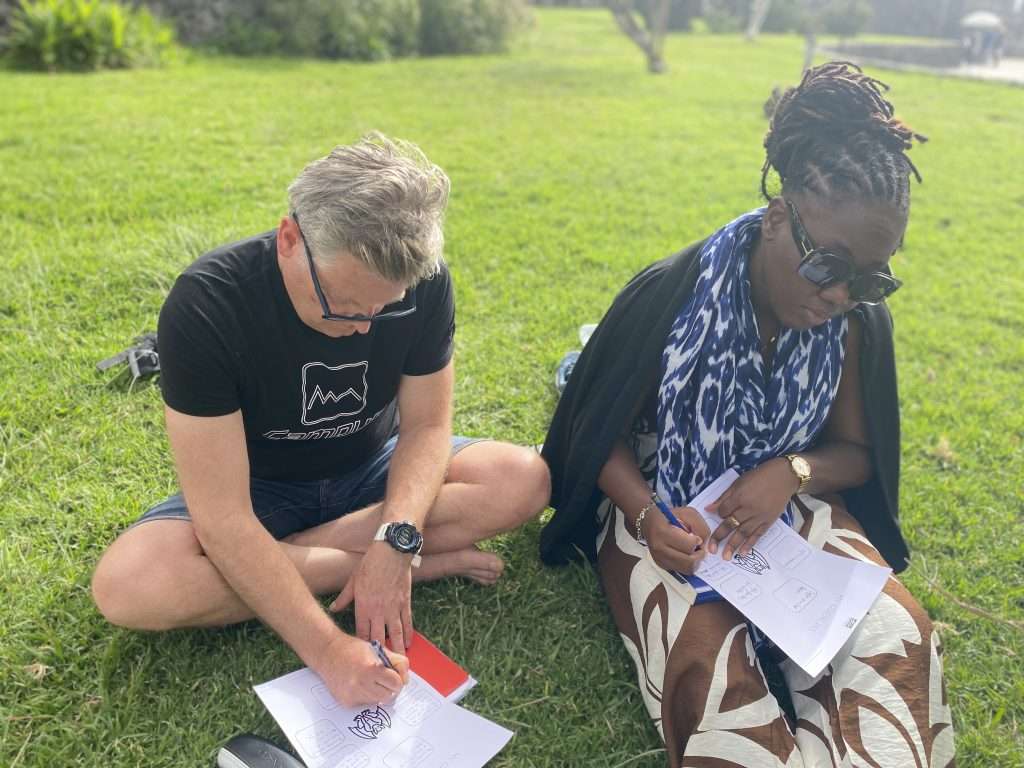

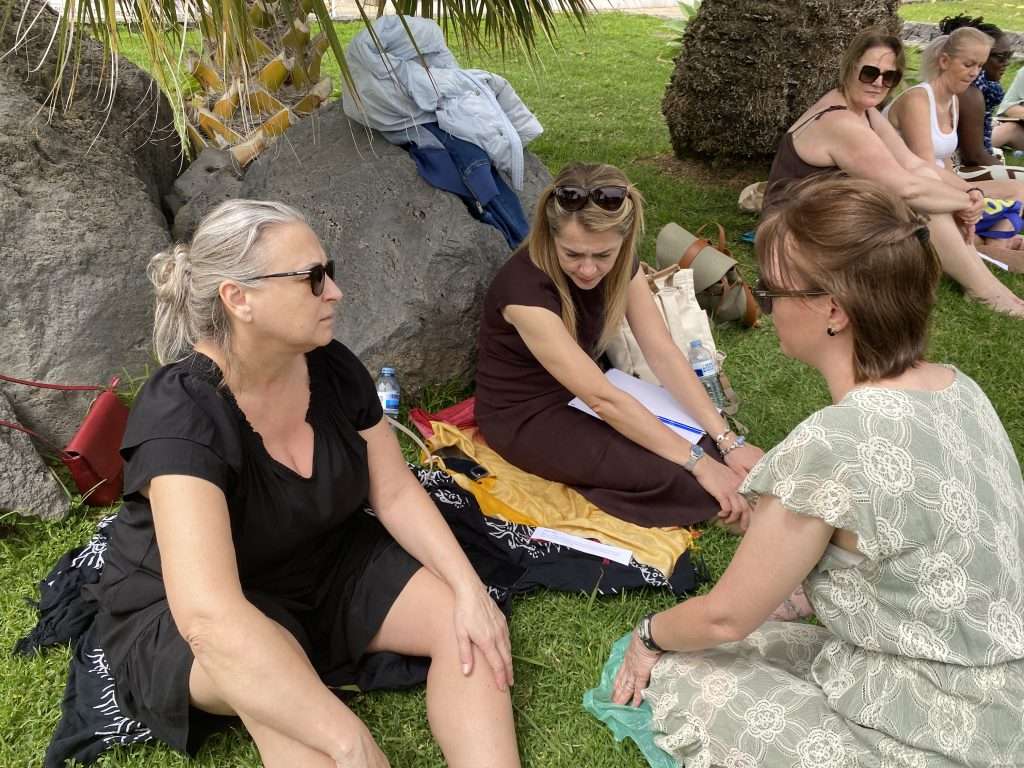
By the conclusion of the programme, participants left Tenerife with a deeper awareness of how mental health can be addressed in schools—not only in response to difficulties, but as a consistent and preventive element of teaching. They returned to their schools equipped with new ideas, methods, and insights to share with colleagues and apply in their classrooms, contributing to learning environments where students feel secure, supported, and prepared to succeed.
Entdecken Sie mehr über diesen Kurs hier.
Where this course took place: Erasmus courses for teachers in Tenerife
Planning your own Erasmus+ course? Fortbildungskatalog 2026-2027 herunterladen
 English (UK)
 Español
 Italiano
 Deutsch
 Română
 Български
 Čeština
 Ελληνικά
 Polski
 Português
 Français