The role of a teacher has traditionally been connected with guiding learning, sharing knowledge, and helping learners develop essential skills. A coach, by contrast, focuses on attentive listening, asking thought-provoking questions, encouraging progress, and supporting individuals in unlocking their potential. While these roles may seem distinct, bringing coaching principles into the classroom can reshape the teacher’s role into one that promotes reflection, empowerment, and personal growth.
This perspective inspired the course “Umiejętności coachingowe dla nauczycieli, pracowników szkół i placówek edukacji dorosłych”, held in Teneryfa z 26/07/26 to 01/08/26. The training gathered an international group of professionals: Silvia oraz Maria z Liceo Lanfranconi in Italy, Anna oraz Svetlana z NIA in Poland, Alessia z La Strada in Italy, Maksymilian oraz Mateusz z AES in Poland, Pauline oraz Marc from France and Eva z SBSZ Sulzbach-Rosenberg in Germany. Their diverse perspectives enriched every discussion and activity throughout the week.
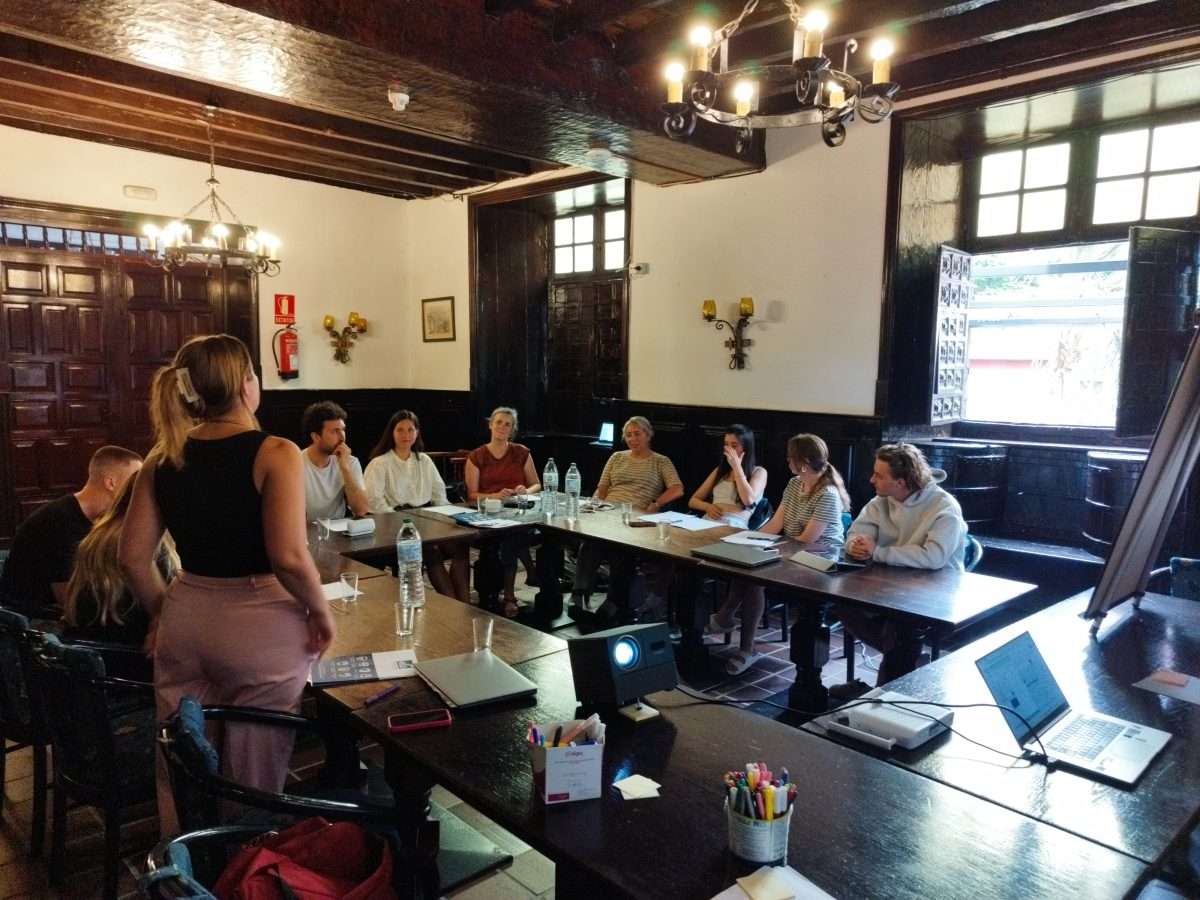
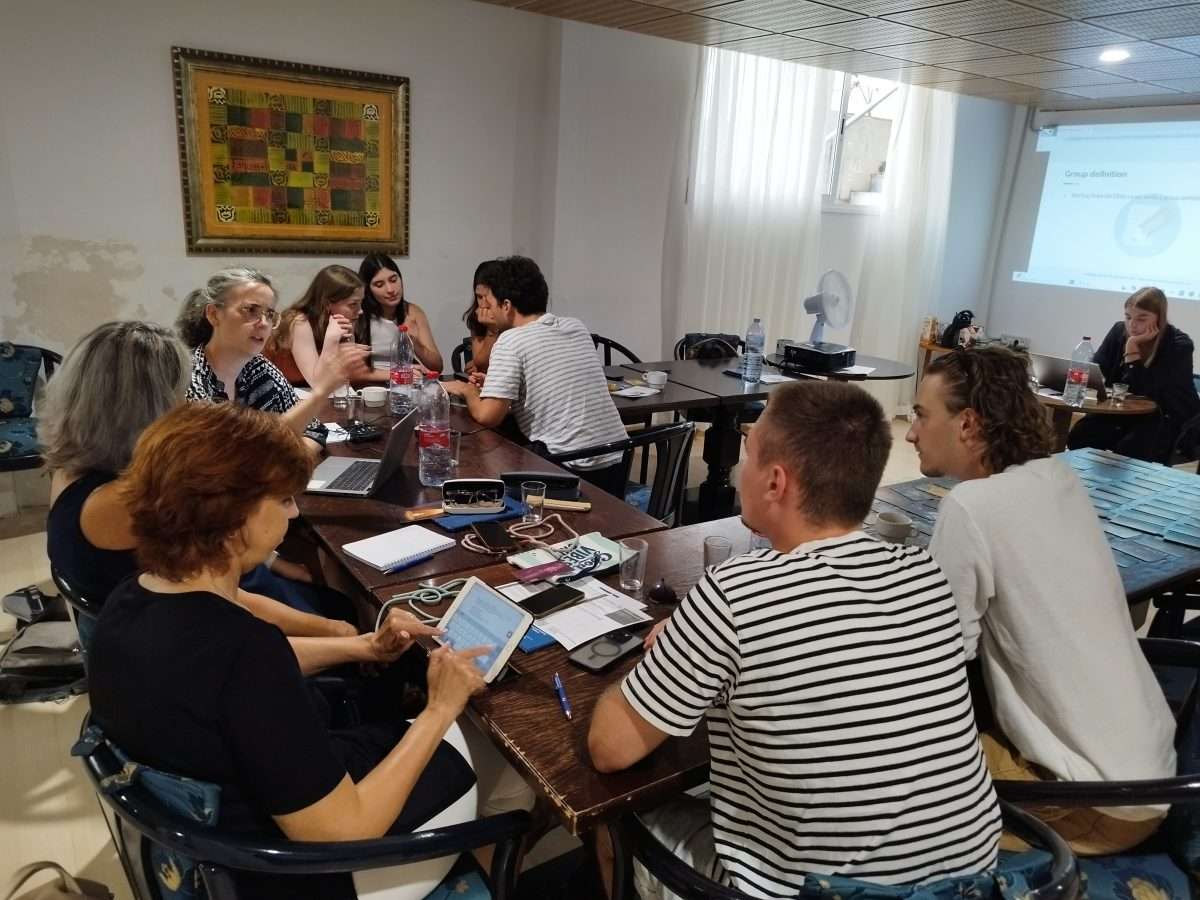
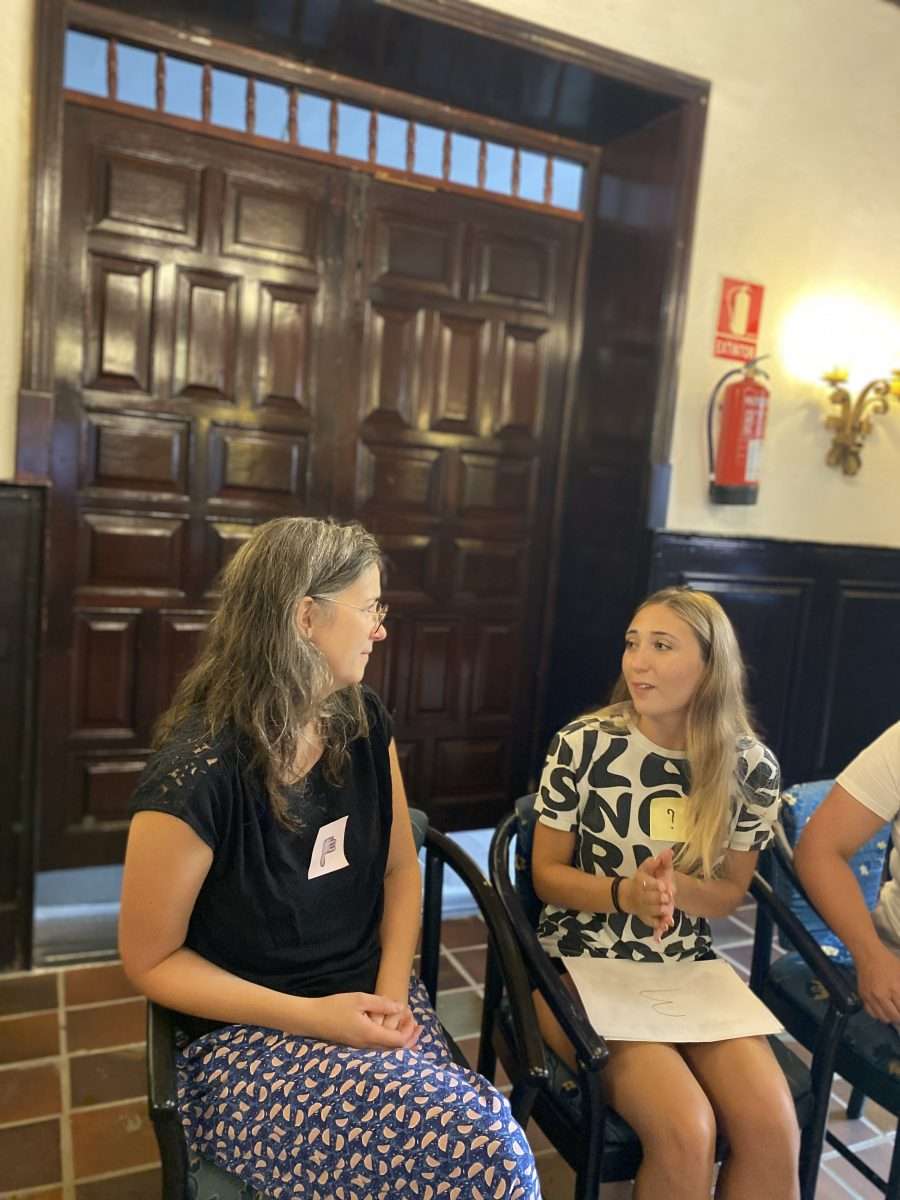
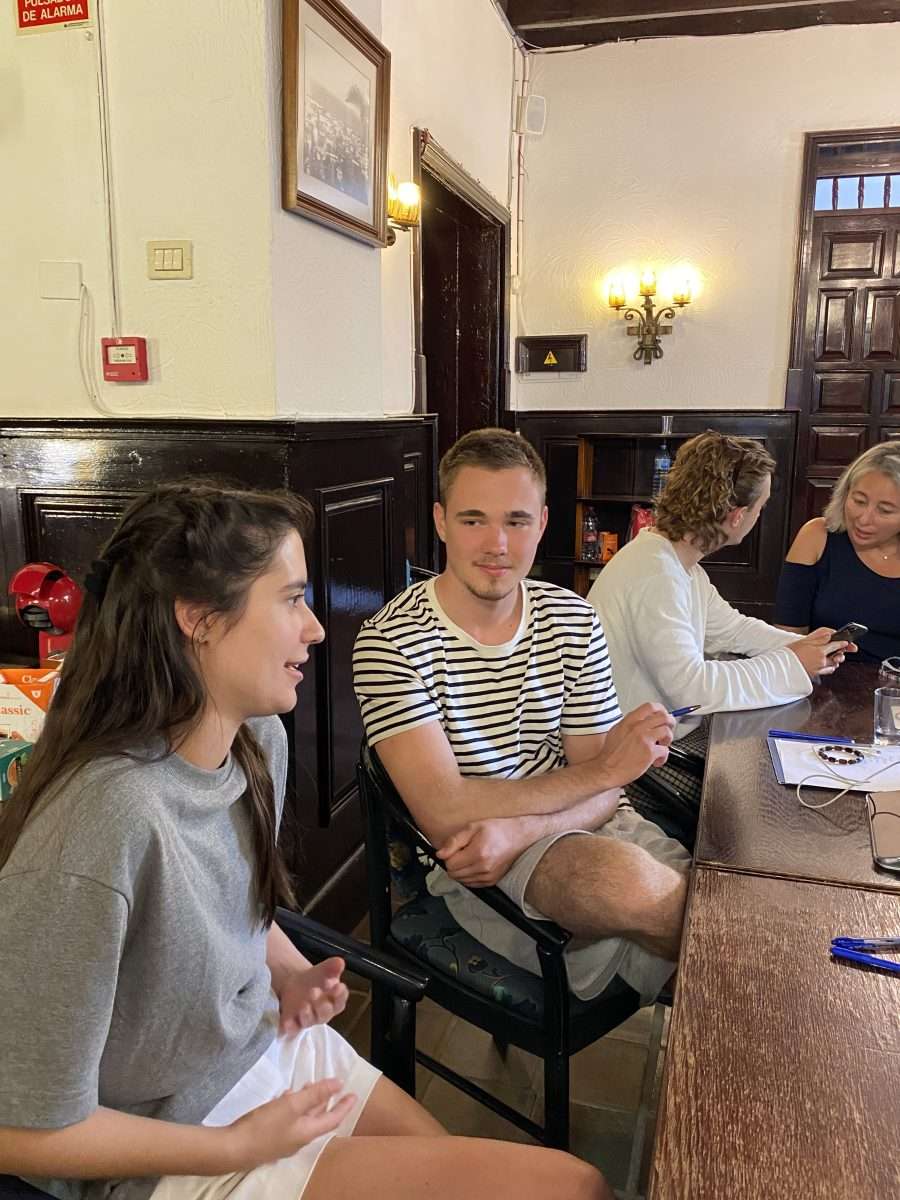
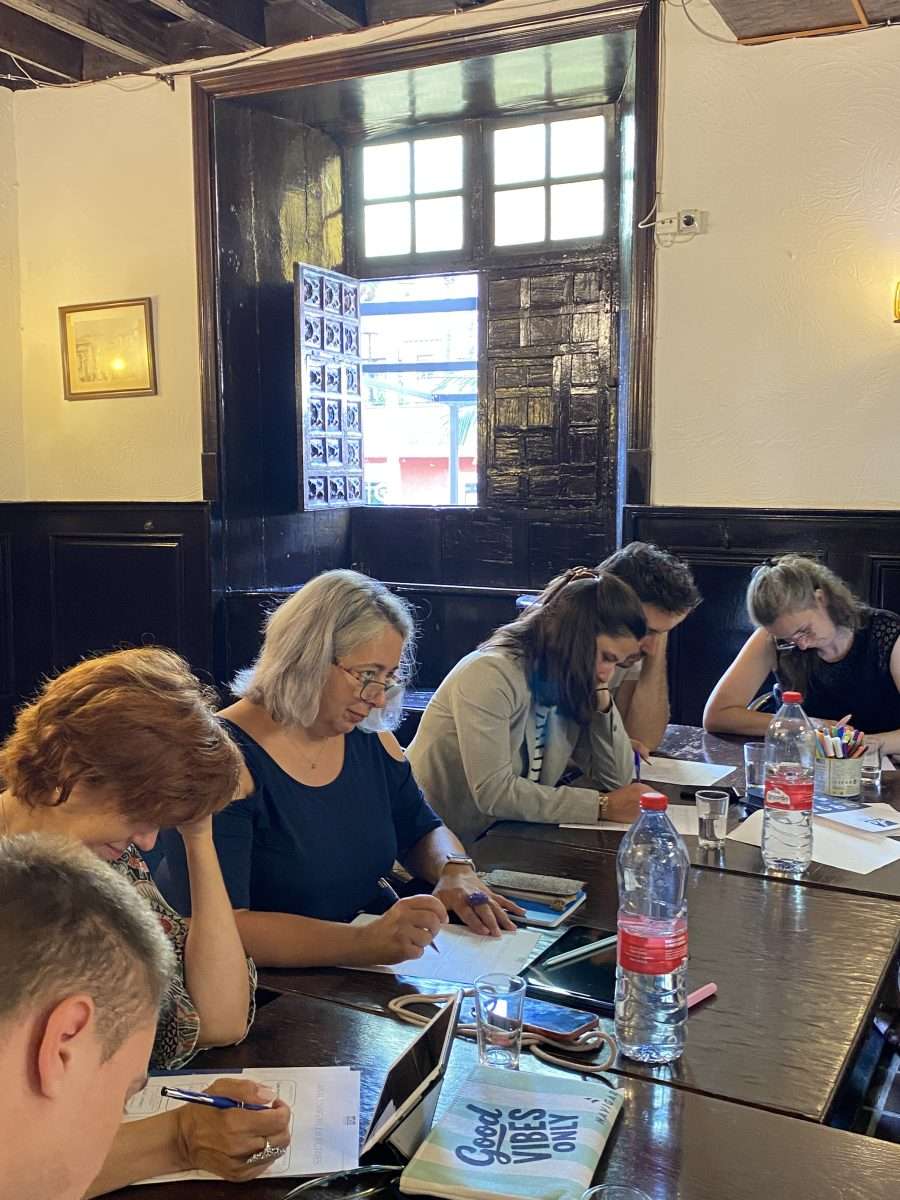
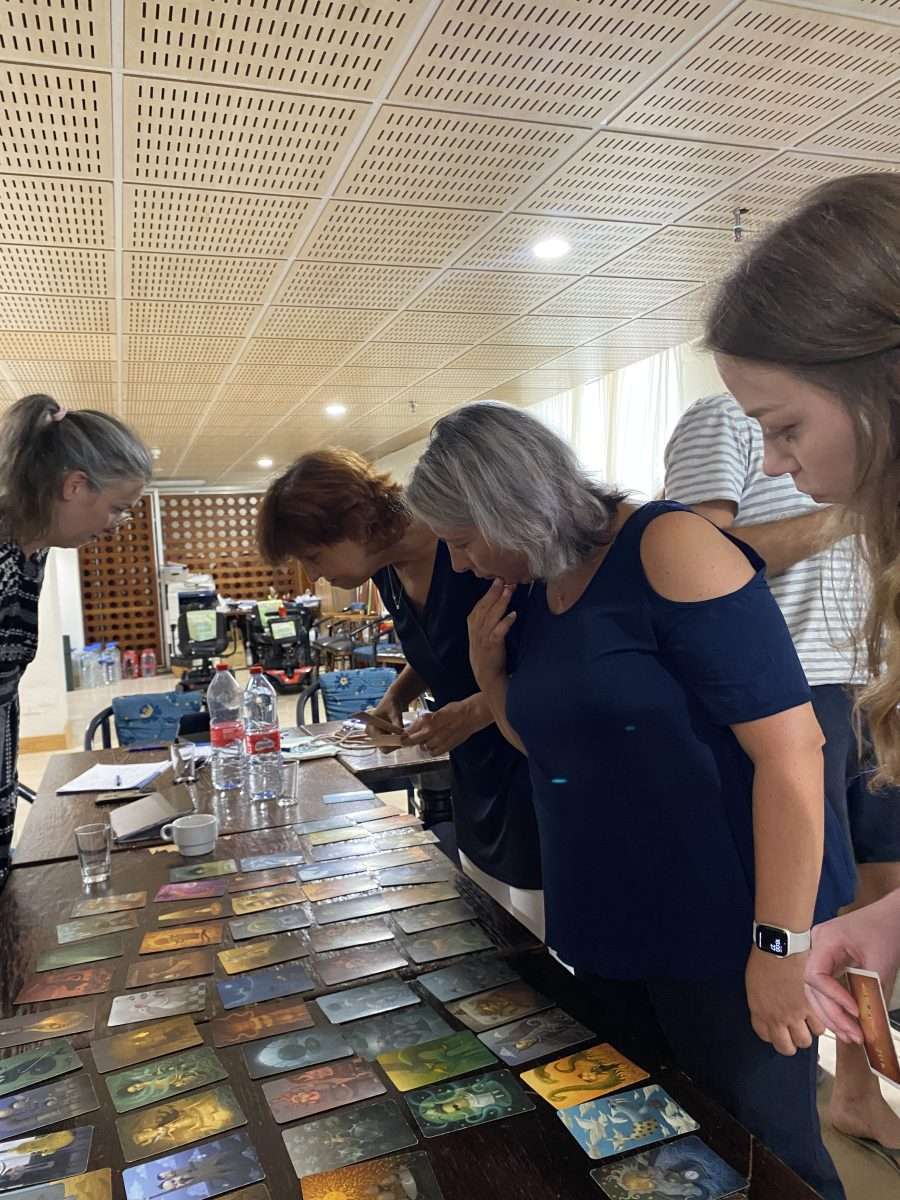
The initiative kicked off with icebreakers and group-bonding exercises designed to build rapport, uncover shared goals, and cultivate a supportive, interactive setting. Attendees delved into the core principles of educational coaching, taking time to analyze where traditional instruction and modern coaching align, as well as where they diverge. A central focus was directed toward self-reflection, prompting teachers to pinpoint their individual strengths, available assets, underlying obstacles, and professional aspirations.
As the workshop progressed, the agenda shifted toward key coaching competencies. Tuesday’s modules centered on emotional intelligence, exploring how the ability to recognize and regulate emotions—in both instructors and learners—can significantly elevate the classroom dynamic. By midweek, the emphasis moved to goal-setting strategies, detailing how to assist students in shaping purposeful, realistic objectives that drive both scholastic and personal growth.
In the latter half of the week, the focus expanded to effective questioning techniques and non-directive dialogue. Participants saw firsthand how thoughtful, probing questions can encourage critical thinking, build independence, and empower students to solve problems on their own. These interactive segments highlighted the necessity of active listening and subtle guidance over simply handing out answers.
The concluding day addressed more advanced aspects of the coaching approach, such as resolving interpersonal conflict and delivering actionable feedback. Educators practiced reframing disagreements into constructive conversations for personal growth, while mastering feedback methods that boost self-assurance instead of dampening morale. These techniques offered clear, actionable support for navigating difficult situations with students and reigniting their drive.
Across the week, attendees shared personal reflections, gained fresh cultural perspectives, and developed a strong network of peers. They departed Tenerife refreshed, armed with versatile strategies, and inspired by a clearer vision of how integrating a coaching mindset can transform teaching—making students feel genuinely appreciated, understood, and capable of reaching their goals.
Dowiedz się więcej o tym kursie Tutaj.
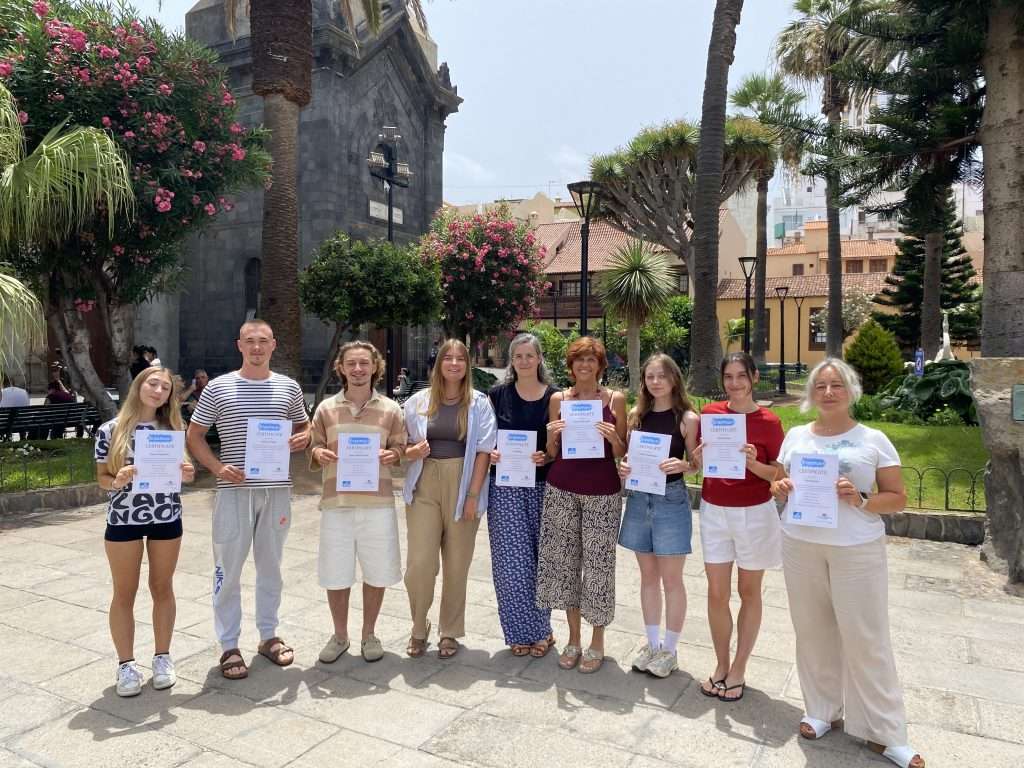
Where this course took place: Erasmus courses for teachers in Tenerife
Planning your own Erasmus+ course? Pobierz katalog kursów 2026-2027
 English (UK)
 Español
 Italiano
 Deutsch
 Română
 Български
 Čeština
 Ελληνικά
 Polski
 Português
 Français