The duty of an educator involves sharing knowledge with their students and nurturing their development of specific skills and capabilities. On the other hand, a coach is tasked with supporting and motivating their pupils through active listening, thoughtful questioning, and introducing challenges. While these roles may initially appear distinct, consider the impact if a teacher were to integrate coaching principles into their classroom, becoming a source of motivation as well.
Koncepcja ta miała fundamentalne znaczenie podczas nowej edycji kursu “AI in Education: Transforming Teaching and Learning” które miało miejsce w Palermo from 18/01/2026 – 24/01/2026. The participants came from all across Europe, including Viktor Ivicz and Mikael Jansson from Hagströmska Gymnasiet, Falun in Sweden ; Karin Scherf-Kachelmaier, and Astrid Fasching from Bildungscampus Birkfeld in Austria; Mauricio Andres Cardona Ramirez from Tertnes Videregåande skule in Norway; Christodoulos Charalambous from Saint Lazarus Technical School in Cyprus.
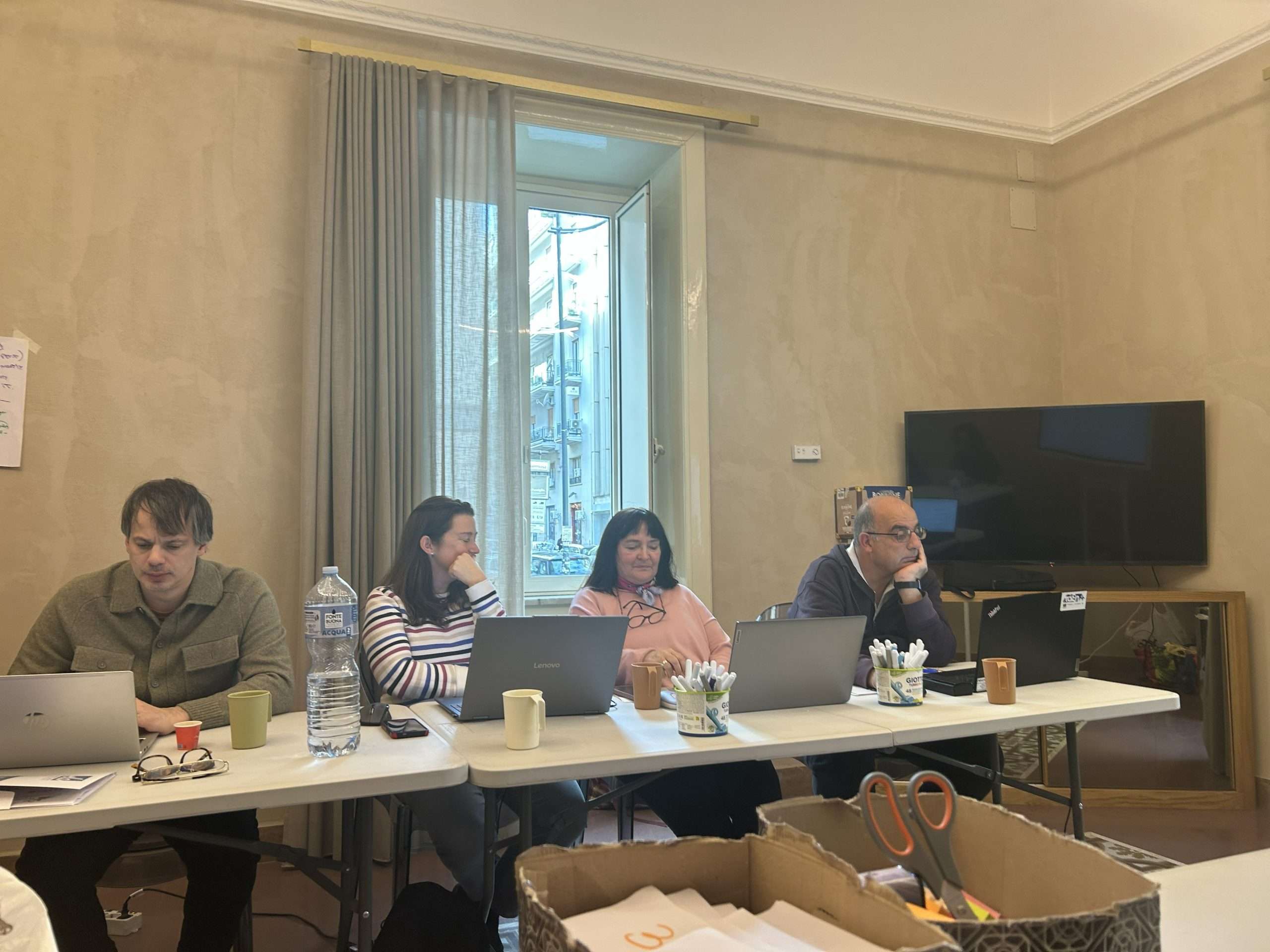
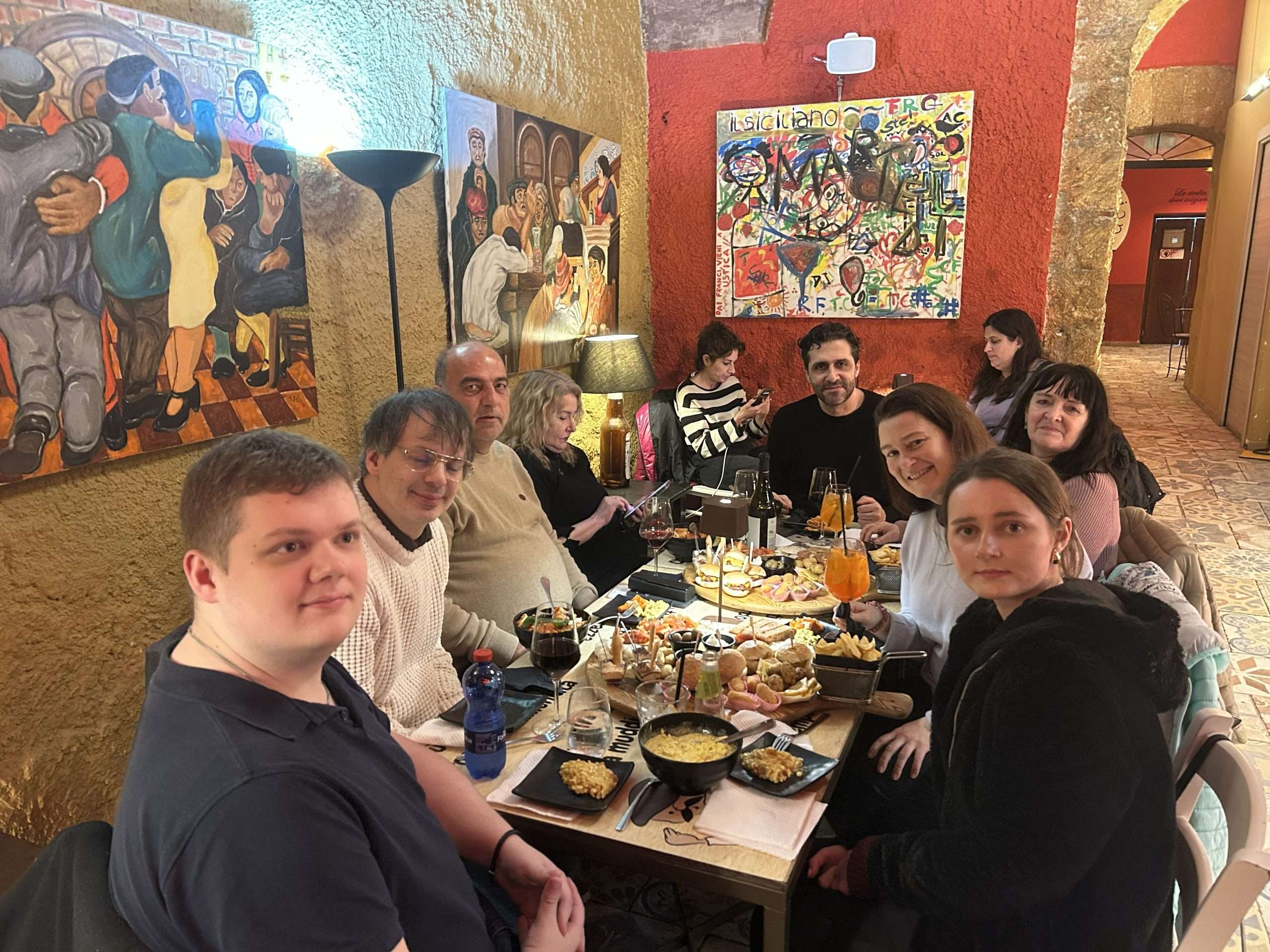
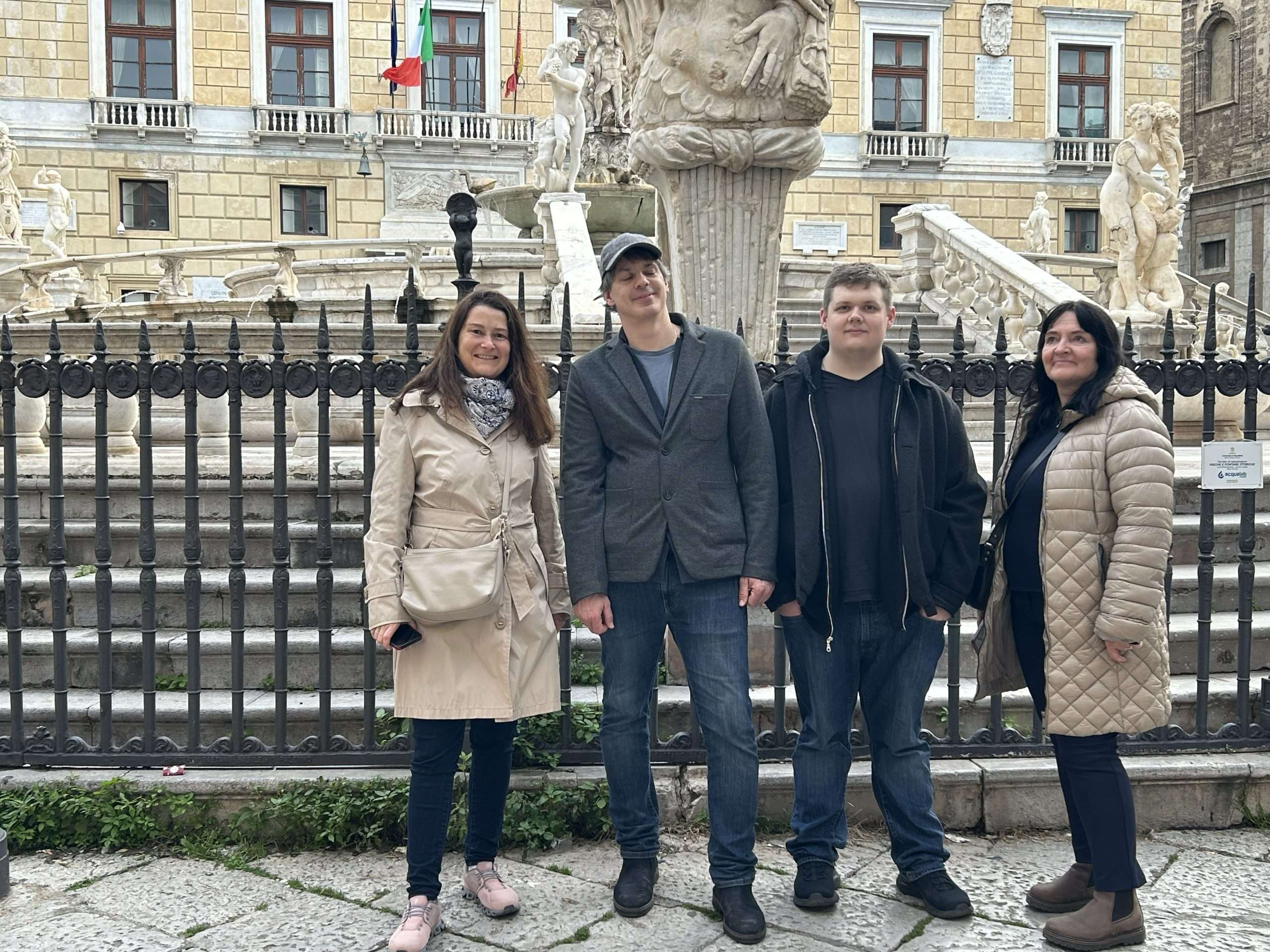
The initial subject explored in the session was the significance of AI w edukacji. This includes understanding how AI can enhance learning experiences by personalizing content, automating administrative tasks, and providing data-driven insights. Participants examined AI-powered tools that can be used to support teaching.
One of the primary focuses was on the importance of promoting in using generative AI tools. Effective prompting can significantly influence the quality of responses generated by AI, making it a crucial skill for educators. Participants practiced crafting precise and contextually appropriate prompts to maximize the utility of Chat GPT and similar tools in classroom settings.
Another crucial topic was the ethical implications of AI w edukacji, covering aspects like bias in algorithms, privacy concerns, and the necessity for clear policies to govern AI use. Understanding these ethical dimensions is essential to ensure AI applications are fair, transparent, and beneficial for all students.
The course also delved into integrating ICT tools with AI features, highlighting tools that enhance collaboration, creativity, and critical thinking among students. Participants were encouraged to explore various ICT applications and consider how these can be augmented with AI capabilities to improve learning outcomes.
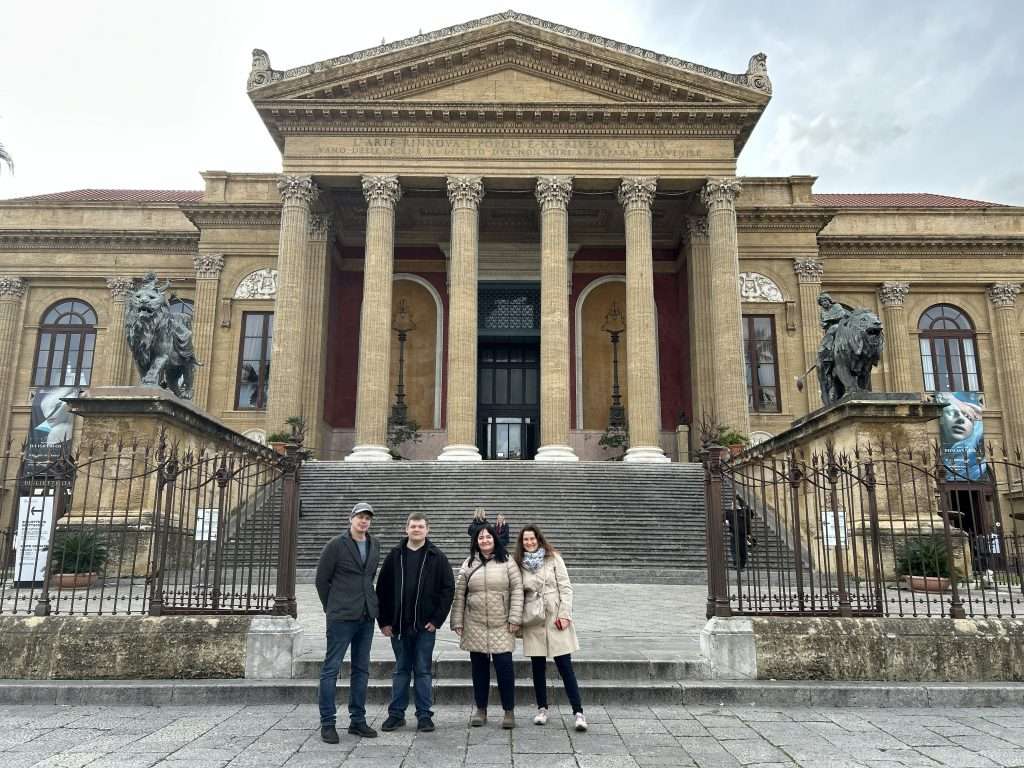
Assessment in the age of AI was another significant topic. The discussion centered around developing new assessment methods that leverage AI for formative assessments, providing real-time feedback, and supporting differentiated instruction. The potential of AI to create more personalized and effective assessment strategies was emphasized.
Throughout this training week, participants had the opportunity to share their collective experiences and gain insights from diverse cultural backgrounds. This collaborative environment facilitated the acquisition of AI and coaching skills and provided a platform for participants to explore applying these skills within their classrooms.
Dowiedz się więcej o tym kursie tutaj.
Where this course took place: Erasmus courses for teachers in Palermo
Planning your own Erasmus+ course? Pobierz katalog kursów 2026-2027
 English (UK)
 Español
 Italiano
 Deutsch
 Română
 Български
 Čeština
 Ελληνικά
 Polski
 Português
 Français