Working with young children means constantly adapting, not just to their needs, but to new ideas about how they learn, explore, and interact with the world. For preschool teachers, staying up to date is less about following trends and more about finding approaches that truly support children’s development in a meaningful way.
The latest edition of the course “The best for preschool teachers” πραγματοποιήθηκε στο Μπολόνια από 08/03/2026 προς 14/03/2026. The participants, Jeanette Ajstrup, Caroline Wikström, Amanda Johansson, and Linda Strömvall came from FRIDASKOLORNA AB in Sweden and they joined the training to explore different educational approaches and rethink their own practices in early childhood education.
The week began with an introduction to the Italian preschool education system, offering participants a broader understanding of how early education is structured in a different context. This was complemented by school presentations, where participants shared their own experiences and approaches, creating space for comparison and discussion. These first exchanges helped set the tone for the rest of the course, grounding the learning in real classroom realities.
As the training progressed, a strong focus was placed on inclusive education. Participants explored how inclusive practices can be implemented in early childhood settings, with particular attention to creating environments where all children feel supported and involved. The discussions were practical and reflective, encouraging teachers to think about how inclusion works in their own classrooms and what adjustments might be needed.
A key moment of the week was the visit to a Reggio Emilia centre, where participants observed child-centered learning in practice. Seeing how children interact with materials, move freely within a prepared environment, and take initiative in their learning offered a concrete example of how independence and curiosity can be encouraged from an early age. This experience sparked conversations about autonomy, structure, and the role of the teacher.
The group also visited an outdoor school, where learning takes place largely in natural environments. This experience highlighted the value of outdoor education, showing how play, exploration, and contact with nature can support not only physical development but also creativity and social skills. It offered a different perspective on the learning environment, moving beyond the traditional classroom setting.
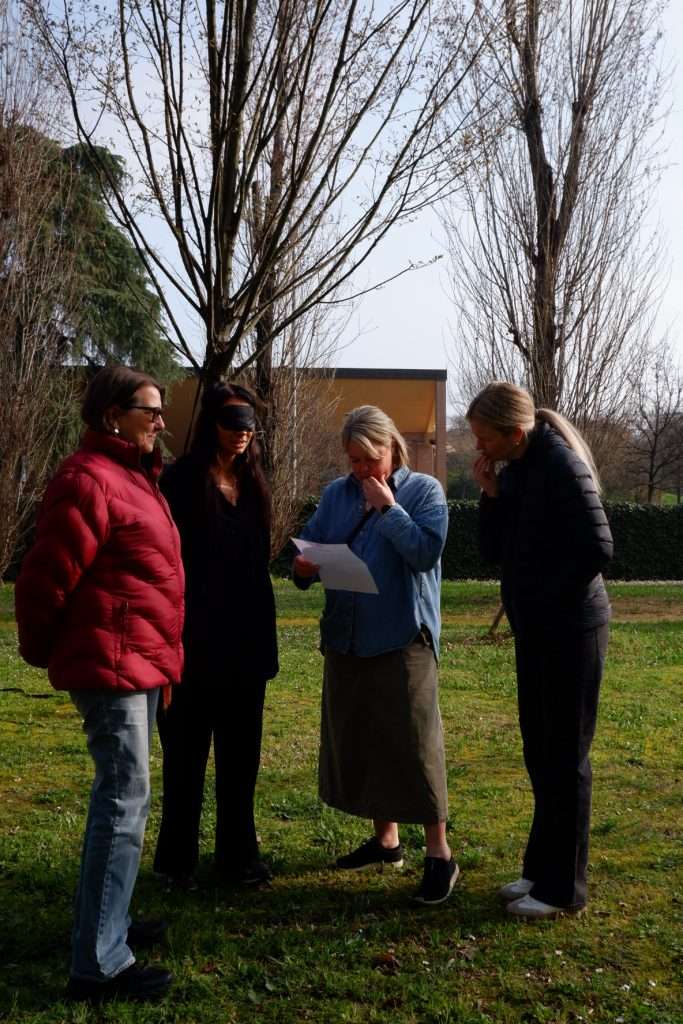
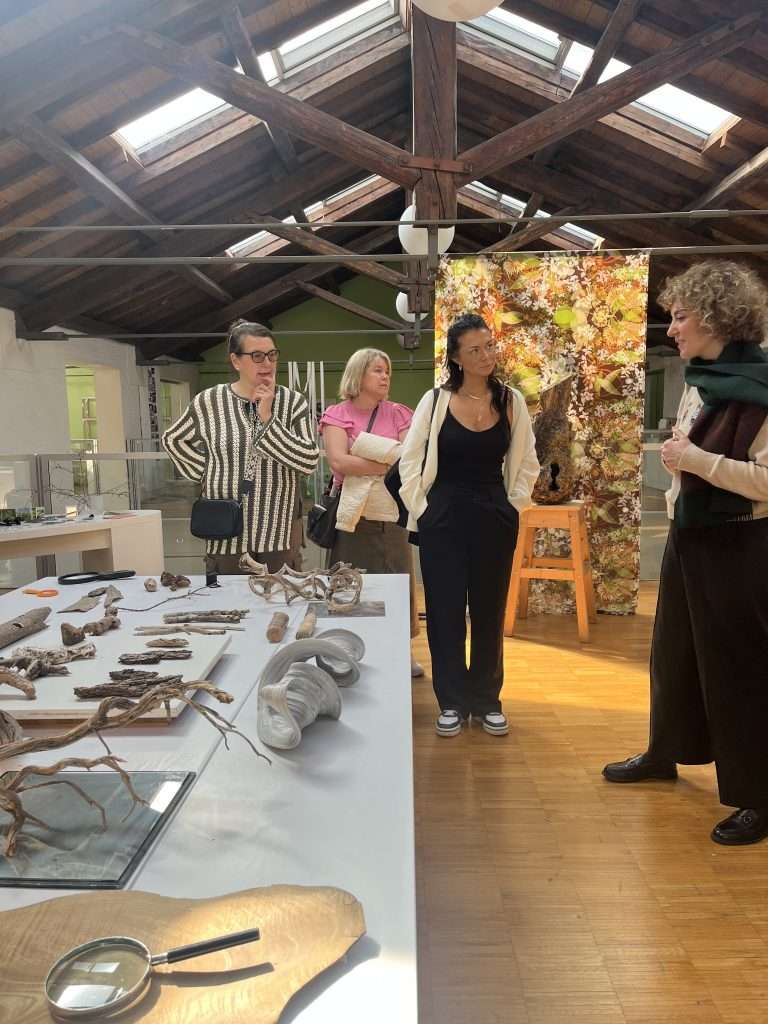
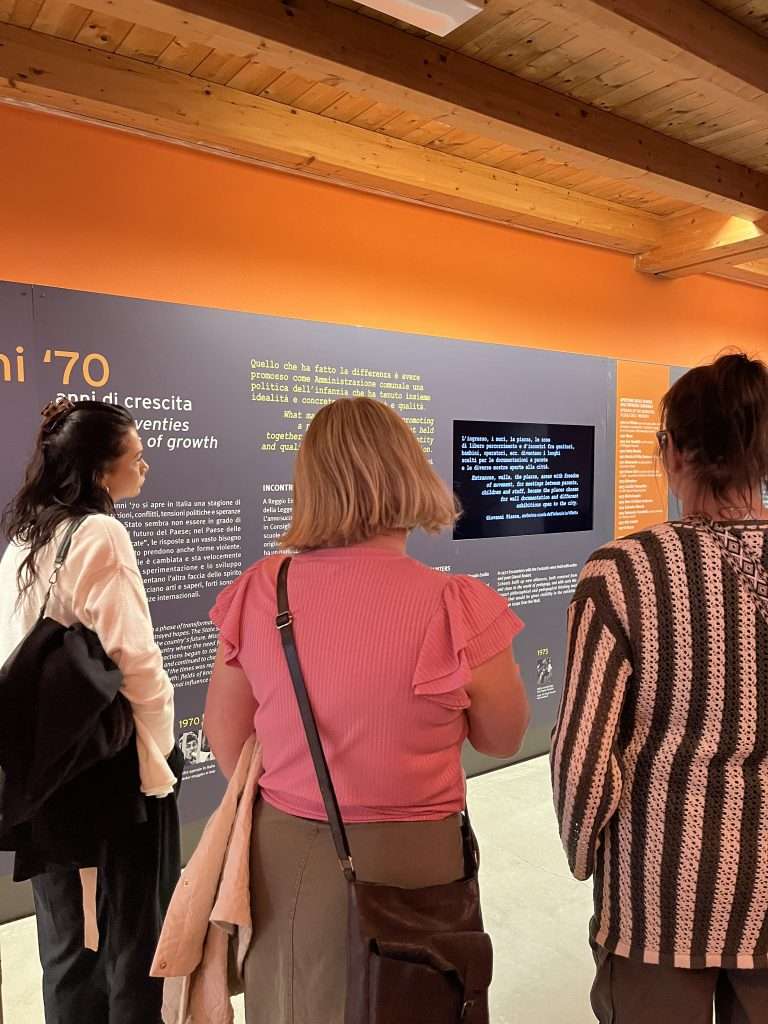
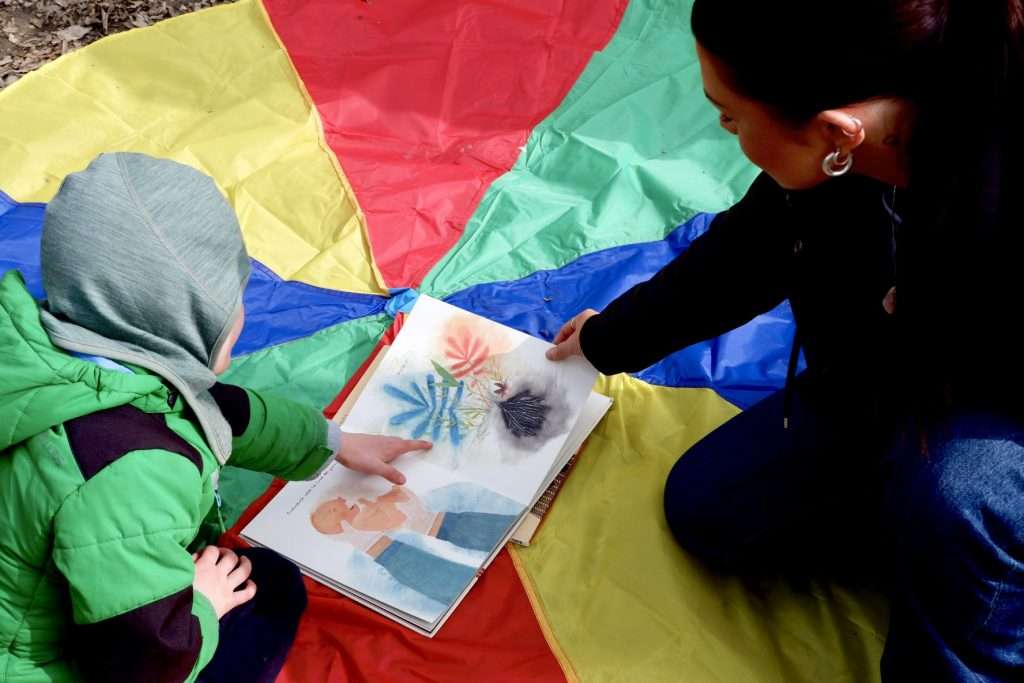
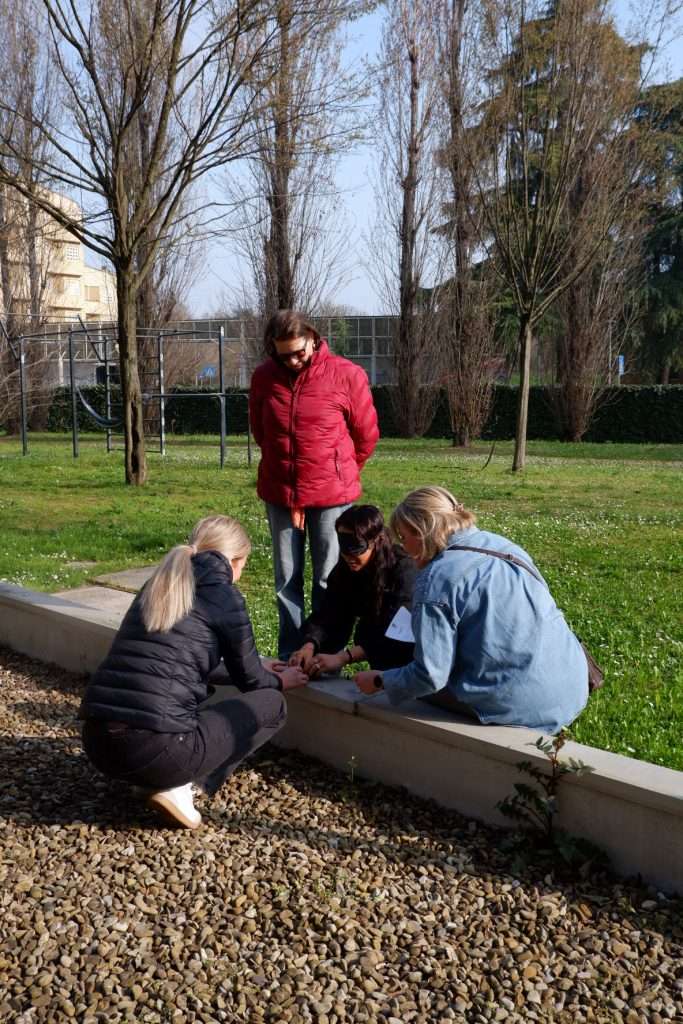

Throughout the week, participants also explored non-formal education and socio-emotional learning, reflecting on how these elements can be integrated into daily practice. The course concluded with an introduction to the Reggio Emilia approach, giving participants insight into a model that places strong emphasis on creativity, collaboration, and listening to children’s ideas. Exploring this approach allowed participants to reflect on the importance of environment, materials, and documentation in early education.
By the end of the training, the group had engaged with a range of perspectives and approaches, each offering different ways to think about teaching and learning in preschool. More than just new ideas, participants left with practical inspiration and a clearer sense of how to adapt what they had seen to their own contexts.
Μάθετε περισσότερα για αυτό το μάθημα εδώ.
Where this course took place: Erasmus courses for teachers in Bologna
Planning your own Erasmus+ course? Κατεβάστε τον κατάλογο σεμιναρίων 2026-2027
 English (UK)
 Español
 Italiano
 Deutsch
 Română
 Български
 Čeština
 Ελληνικά
 Polski
 Português
 Français