Διαμορφωτική αξιολόγηση is widely recognised as one of the most effective instructional strategies, thanks to its ability to support every stage of the learning process: from activating prior knowledge, to monitoring progress, and providing feed-forward throughout the learning journey. Through a combination of theoretical input and practical activities, participants in this course reflected on how to improve their awareness of students’ understanding through effective and accessible assessment and feedback strategies.
The latest edition of the course “Αποτελεσματική διαμορφωτική αξιολόγηση και διαχείριση ανατροφοδότησης στην εκπαίδευση” took place in Palermo from 26/04/2026 to 02/05/2026. The participants came from across Europe with Jan, Catrine and Tina from Residenskolan (Sweden), Els and Ayse from WICO (Belgium), Yannik from Max-Eyth-Schule Kassel (Germany), Diana from Vilniaus “Žiburio” pradinė mokykla (Lithuania) and Elena from Adult Education Centre Alma (Finland).
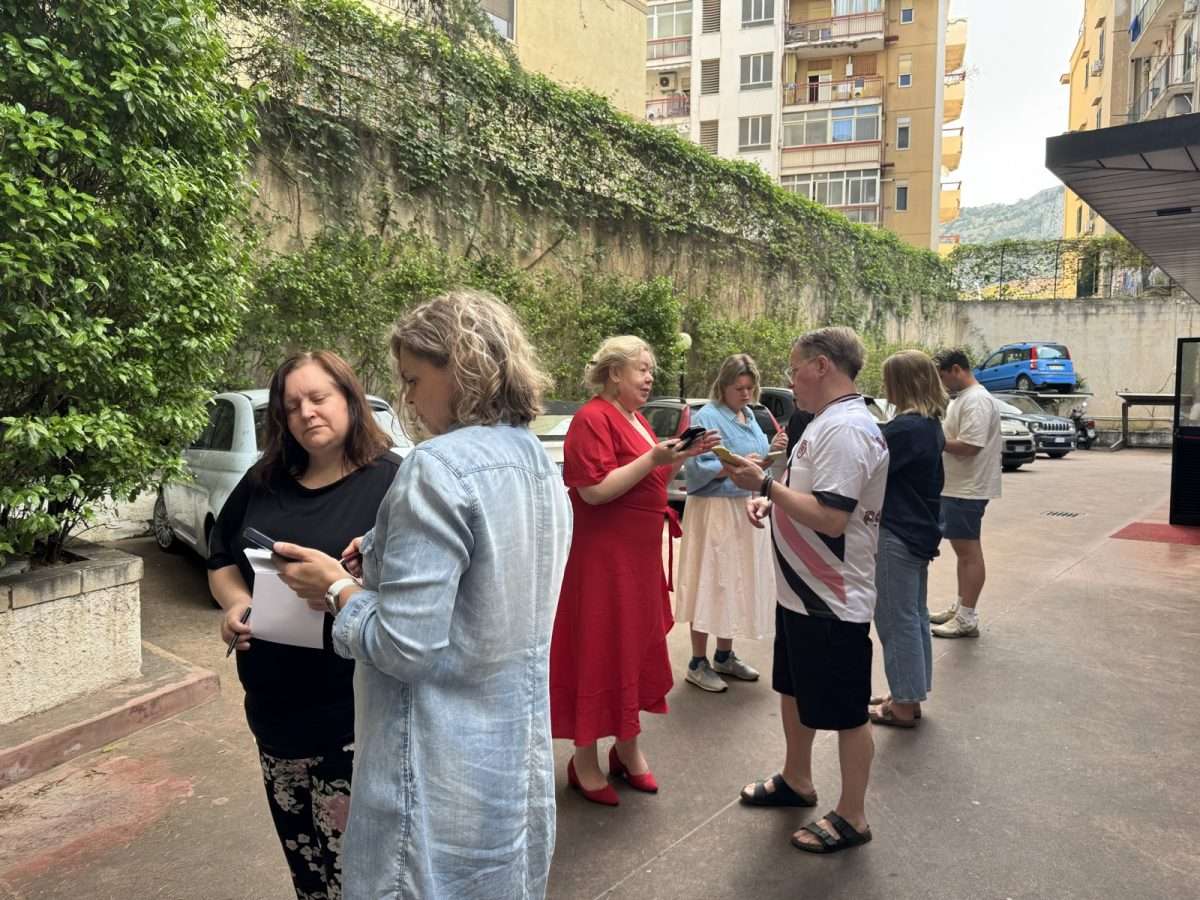
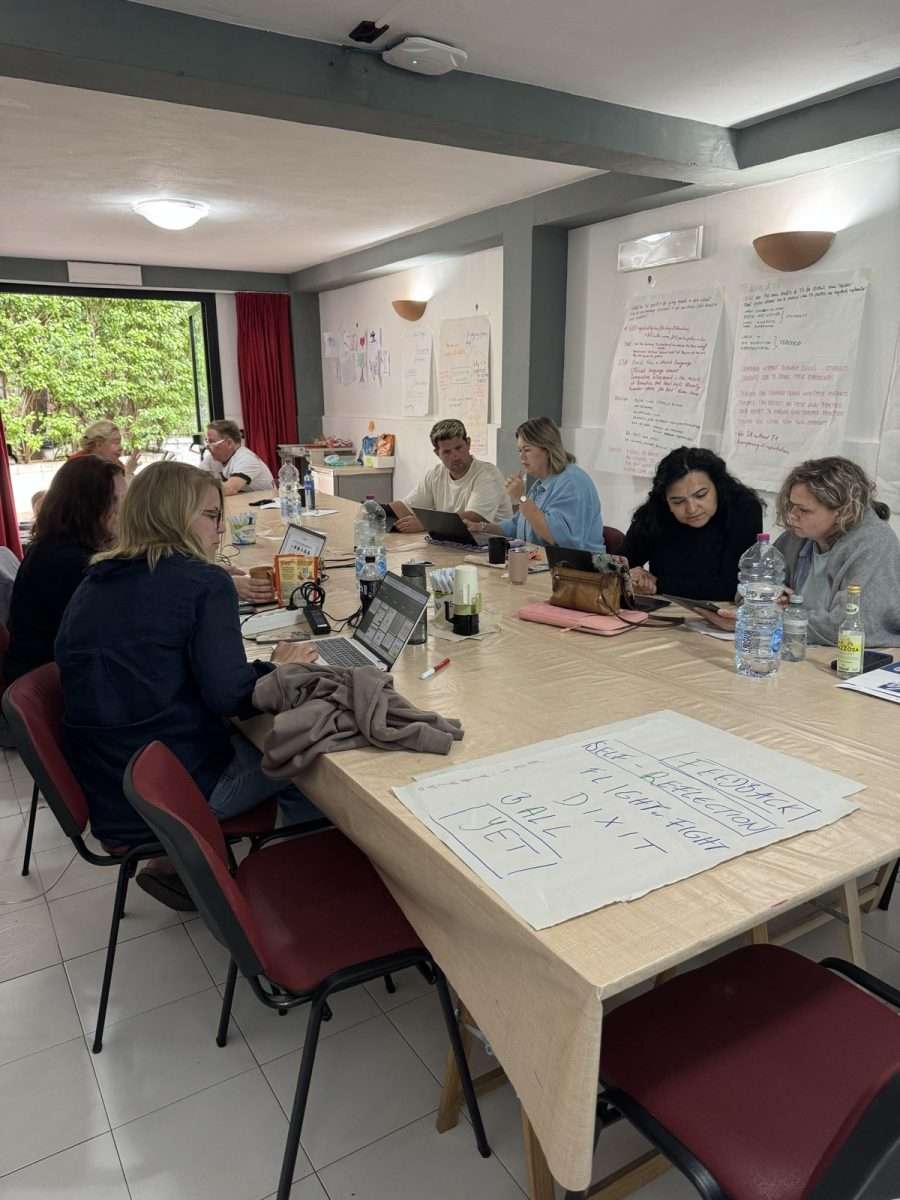
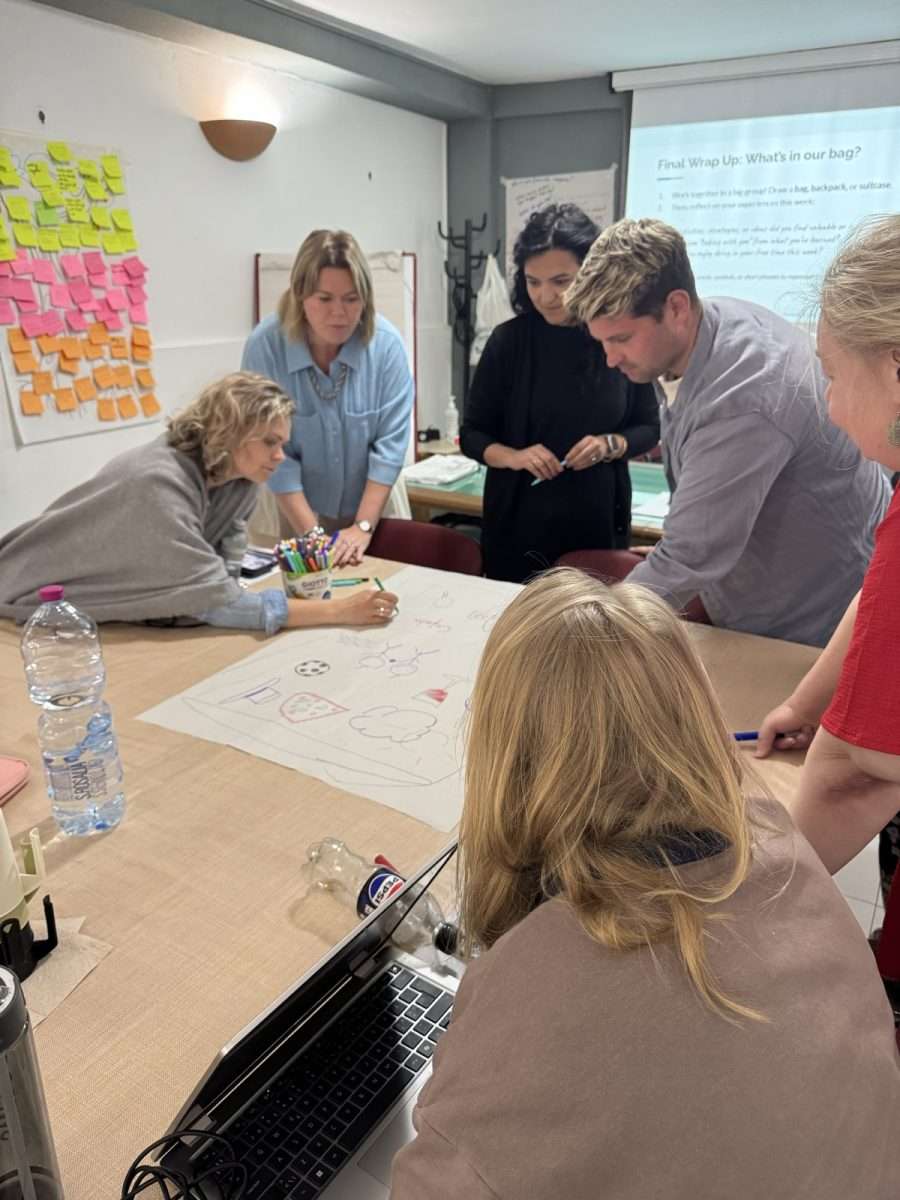
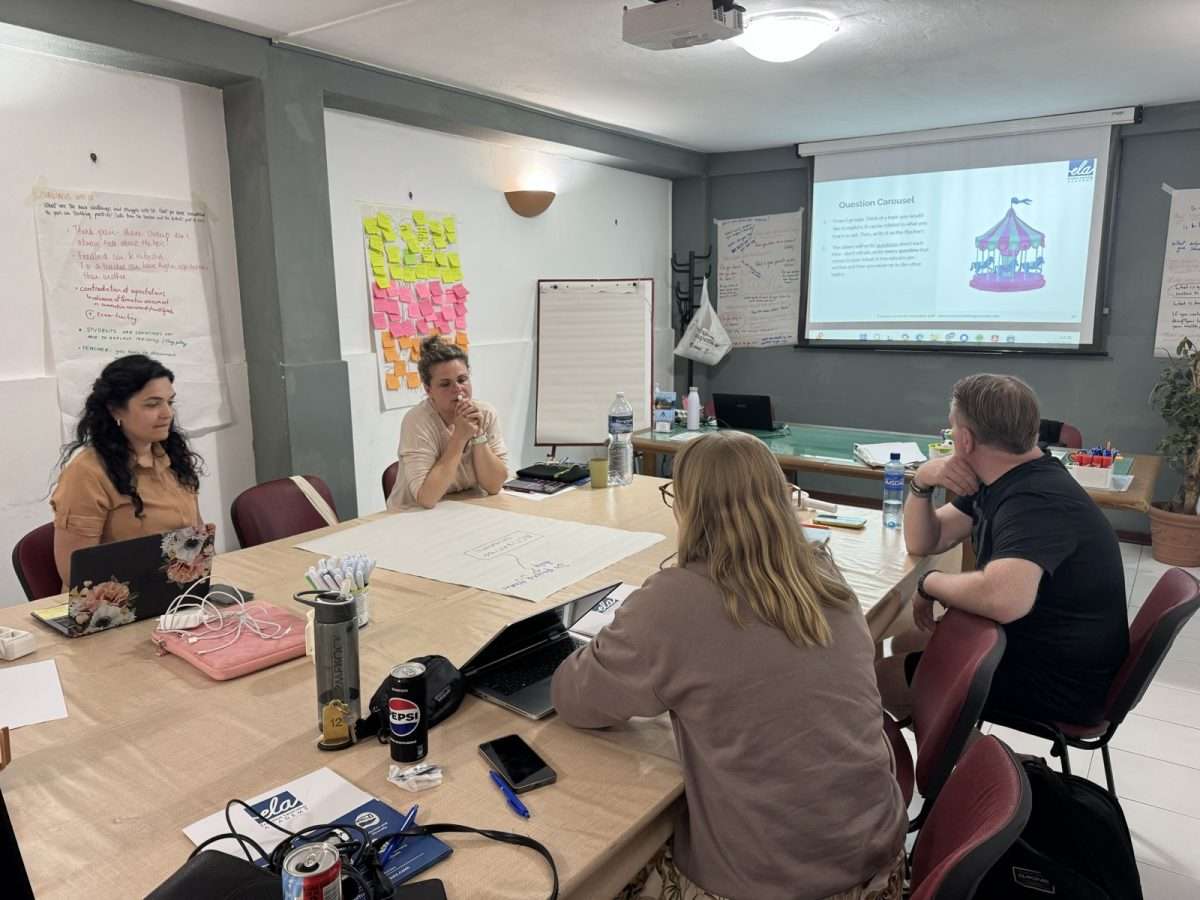
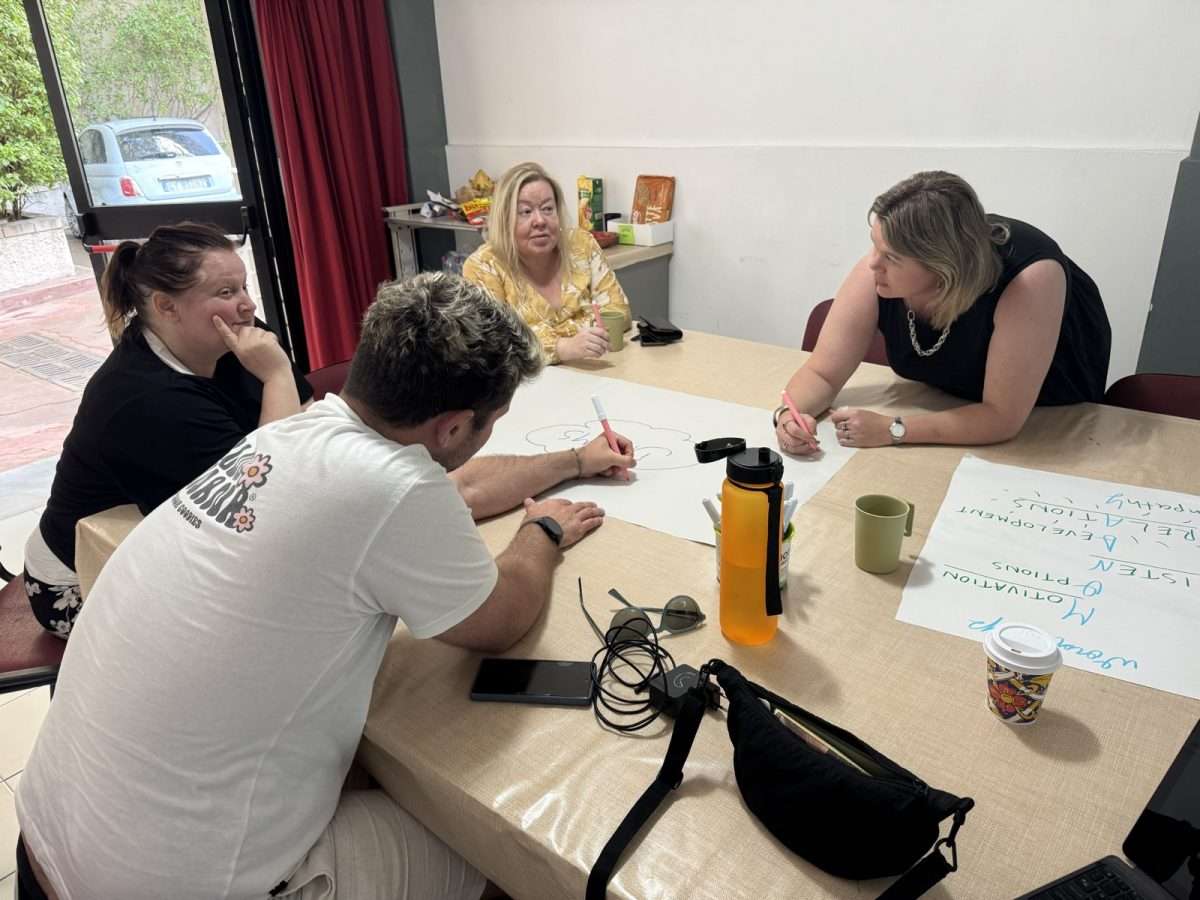
The course began by activating participants’ prior knowledge about formative assessment. Participants were invited to share what they already knew about the topic, as well as their learning intentions for the training week. The first topic explored was the assessment cycle και το distinction between diagnostic, formative, and summative assessment. Through group brainstorming activities, participants revised the key differences among these types of assessment, identifying the goals and characteristics of each approach. This also provided an opportunity to exchange experiences, discuss challenges, compare educational systems across countries, and raise questions related to the course topic.
The following day focused on the power of questioning in education. Participants explored push and pull factors in learning and reflected on how the questions teachers ask can strongly influence both students’ answers and the thinking processes behind them. Questions were presented as powerful formative assessment tools that require little to no preparation. The group also explored a range of digital tools that teachers can use to ask questions, including interactive and gamified quiz platforms.
Participants then examined the main tools and methods of formative assessment that can be integrated into everyday teaching practice. Particular attention was given to ψηφιακά εργαλεία that enable teachers to monitor students’ understanding and progress in real time, as well as tools for running entry and exit tickets to activate students and encourage reflection on learning.
Feedback was another central topic of the course, as one of the most challenging yet essential formative assessment strategies. Through group discussions and role-play activities, participants identified the dos and don’ts of effective feedback, explored practical tips for giving constructive feedback, and reflected on the importance of developing a νοοτροπία ανάπτυξης when receiving it. Through engaging challenges and collaborative activities, participants were also encouraged to reflect on the importance of fostering a growth-oriented classroom culture, where feedback is viewed not as punishment, but as an opportunity for improvement and an act of care.
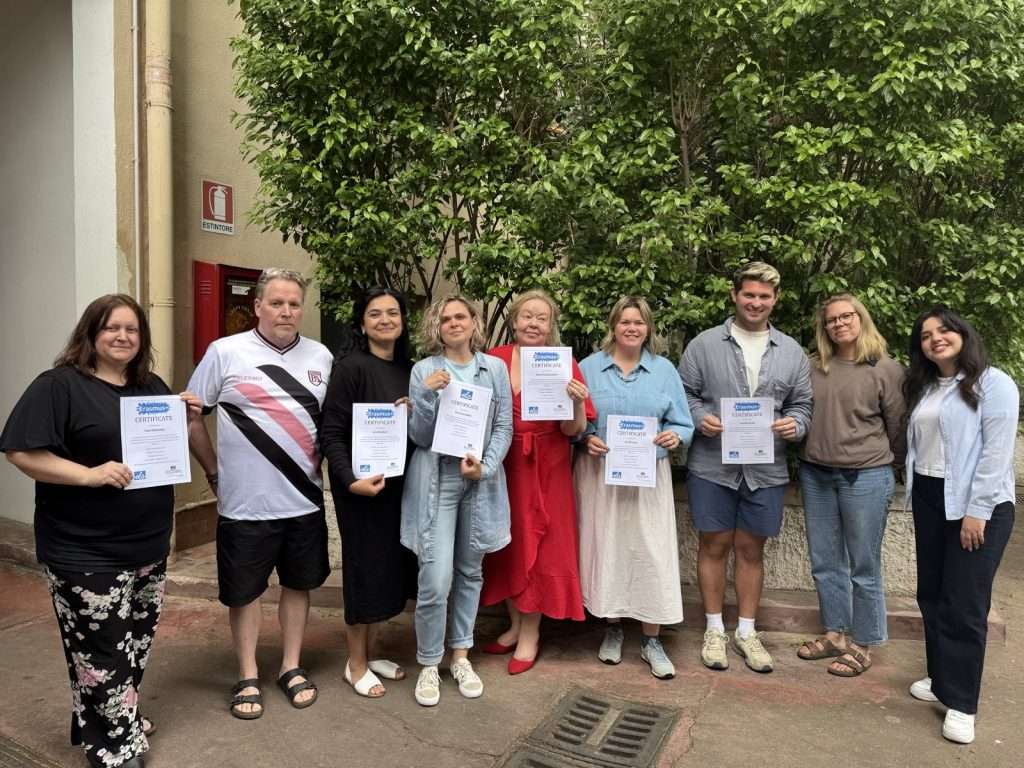
In addition to teacher-student feedback, the course also highlighted the importance of students becoming instructional resources for one another. Participants explored practical strategies to promote peer learning and peer feedback. To further strengthen both students’ and teachers’ self-reflection skills, the course concluded with a focus on self-assessment. Developing αυτογνωσία και self-motivation can be powerful tools not only for increasing students’ engagement and commitment to learning, but also for helping teachers reflect on and improve their own teaching practices.
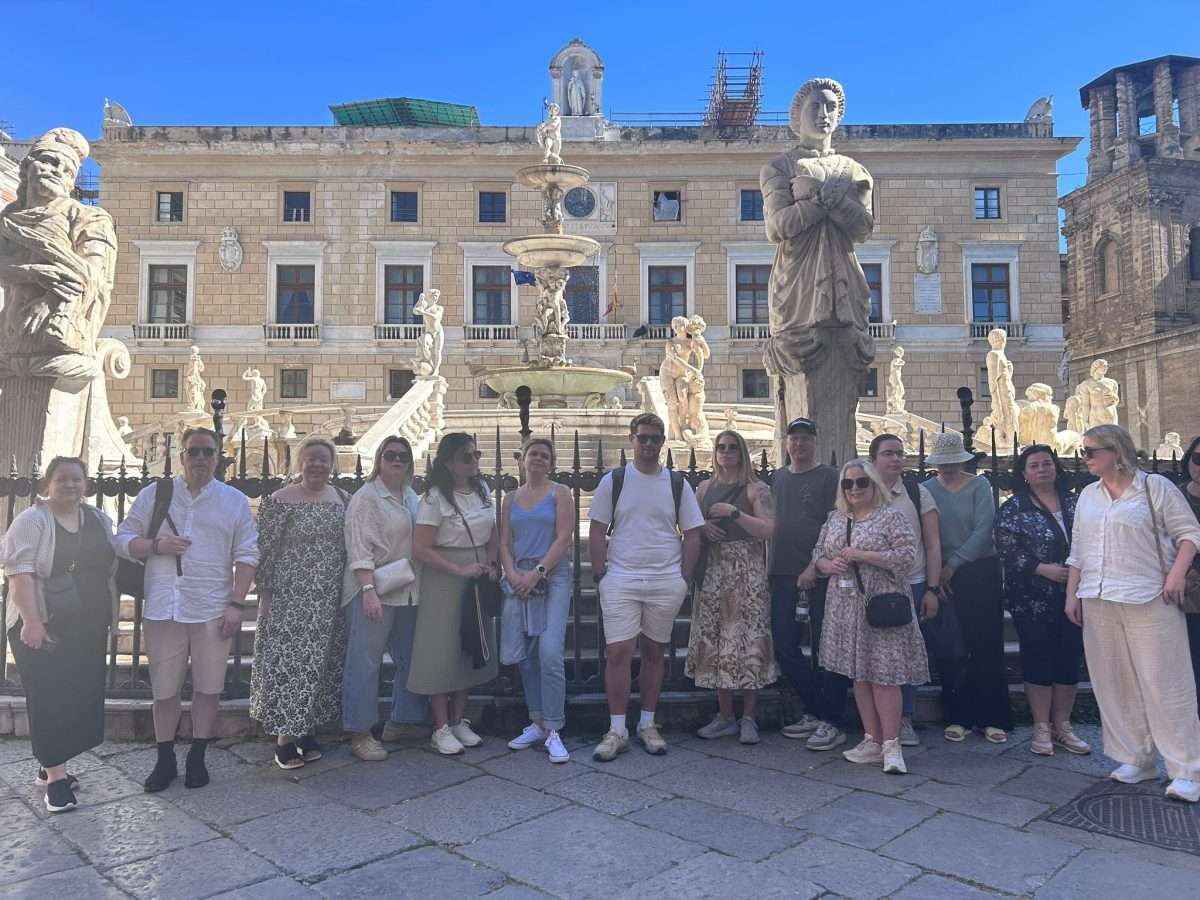
Beyond the classroom experience, participants also had the opportunity to explore the culture of Palermo and its surroundings, enjoying a complete Erasmus experience in just one week!
Μάθετε περισσότερα για αυτό το μάθημα εδώ.
Where this course took place: Erasmus courses for teachers in Palermo
Planning your own Erasmus+ course? Κατεβάστε τον κατάλογο σεμιναρίων 2026-2027
 English (UK)
 Español
 Italiano
 Deutsch
 Română
 Български
 Čeština
 Ελληνικά
 Polski
 Português
 Français