The aim of this training course is to reflect on and discuss different strategies, methods, and best practices for promoting inclusion in the classroom. The key words of this training are съпричастност, cooperation, и belonging, which are essential elements of приобщаващо образование.
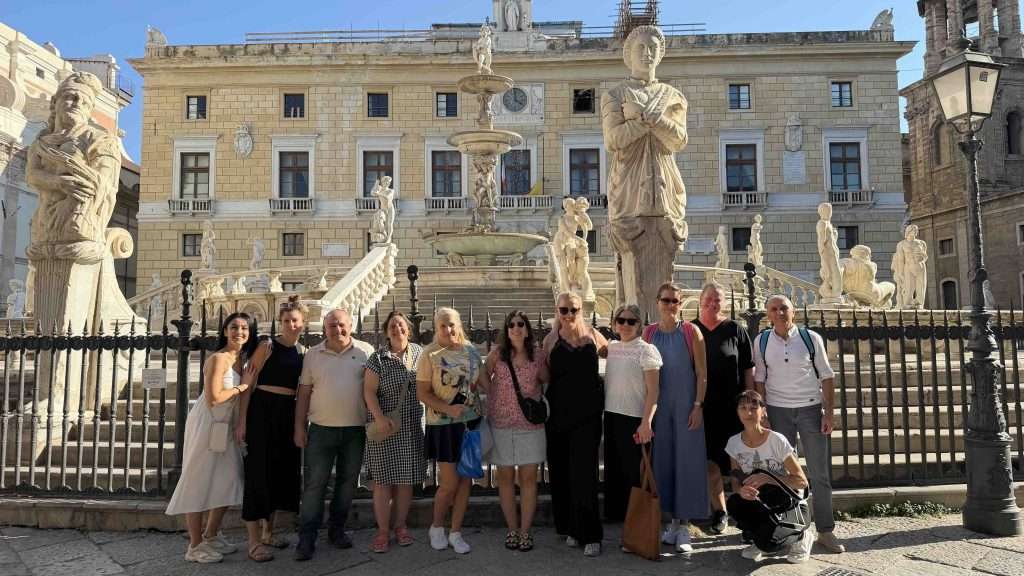
The latest edition of the course “Special Needs and Inclusive Education: The Italian Experience of Overcoming Segregation” took place in Palermo from 04/10/2026 to 10/10/2026. Participants came from across Europe, including Jennie and the two Lindas from Per Brahegymnasiet in Sweden; Maren from IGS Mainz-Bretzenheim in Germany; the two Marías from IES Villa del Moncayo in Spain, and finally participants from two different Bulgarian schools: Anton, Vesela and Antoaneta from Blagoevgradska profesionalna gimnazia “Ichko Boychev” and Daniela and Mitsova from Osnovno uchilishte “Hristo Botev”.
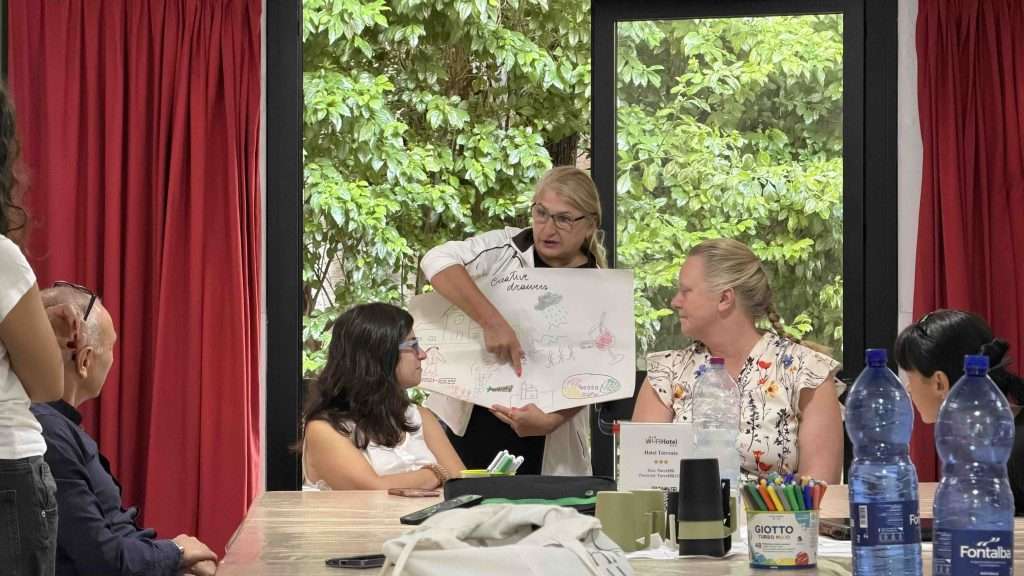
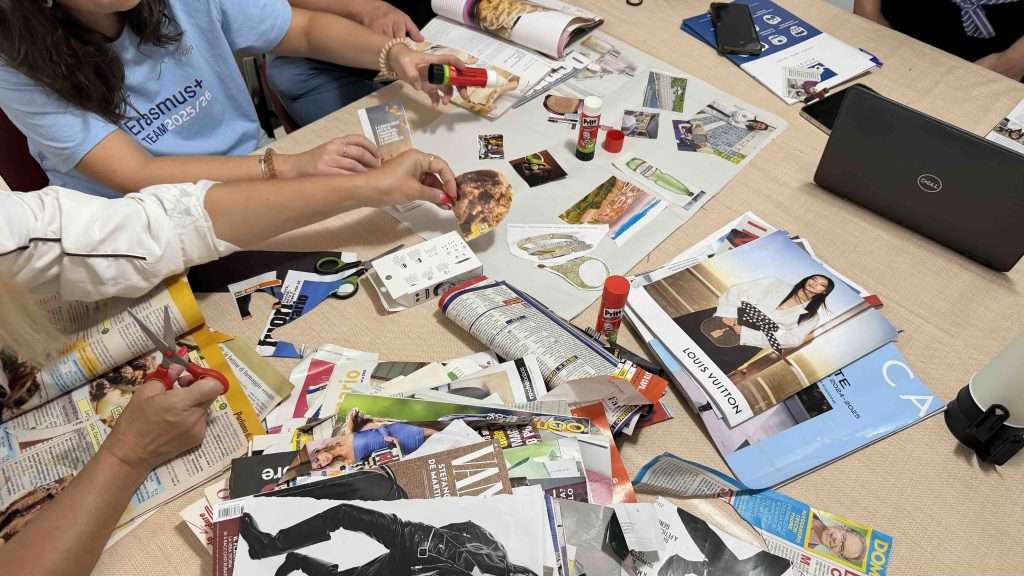
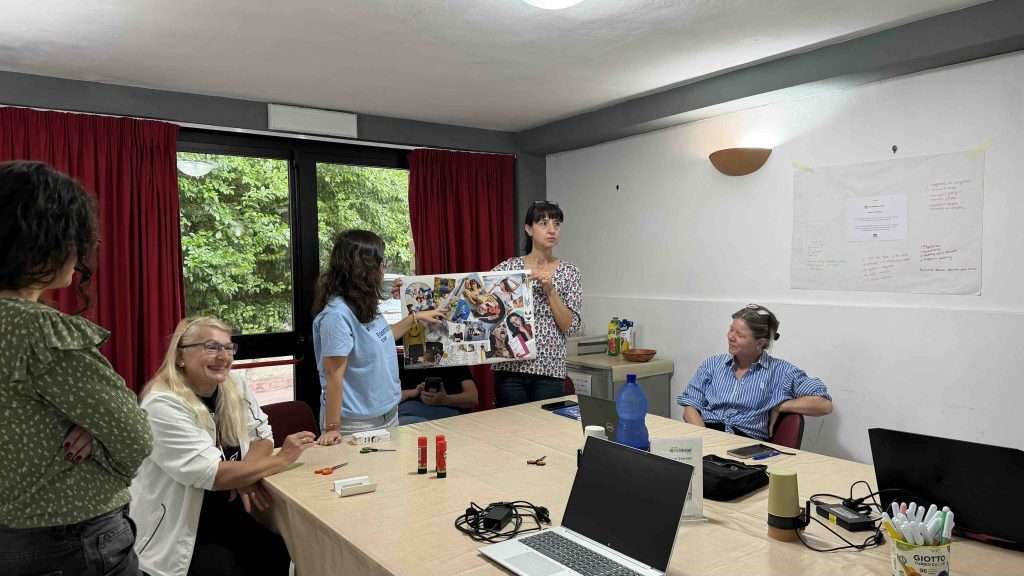
The first key word, “Empathy,” is the foundation for building relationships between teachers, pupils, and families. Putting oneself in another person’s shoes, avoiding judgment, learning to understand others’ feelings, and communicating that their emotions have been understood are all behaviours that help build meaningful connections. Connecting with others is essential in an educational context, particularly when supporting students with special needs.
The second key word, “Belonging,” refers to the feeling of being part of a group and recognising that one’s contribution is meaningful to others. This sense of belonging can be fostered by removing physical barriers that hinder communication and by promoting mutual understanding, tolerance, and respect. These elements are essential for creating a welcoming environment that encourages and supports the learning process.
The third key word explored during the training is “Cooperation,” which highlights the importance of working closely with families. Families are an essential part of the support system surrounding pupils with special needs or disabilities. Cooperation between teachers and families is therefore crucial to creating a supportive environment for each pupil. In other words, teachers need to act as guiding lights for both students and parents, providing information and practical ideas to help parents support their child’s learning process as effectively as possible.
During the course, we explored the specific features of the Italian Model, one of the approaches to inclusive education that rejects the use of separate special schools in favour of including all pupils within the same educational system. This model relies on the support of specialised professionals, such as support teachers и educators, who help meet students’ individual needs.
To gain a closer understanding of the Italian Model, the teachers also had the opportunity to visit two different schools in Palermo: Istituto Superiore “Rosario Livatino” and Liceo Classico G. Meli where they were able to observe and talk about how the methods and theories discussed during the course are put into practice.
The training also gave participants the opportunity to discover new tools and approaches, reflect on existing strategies and practices, and identify ways to improve them continuously.
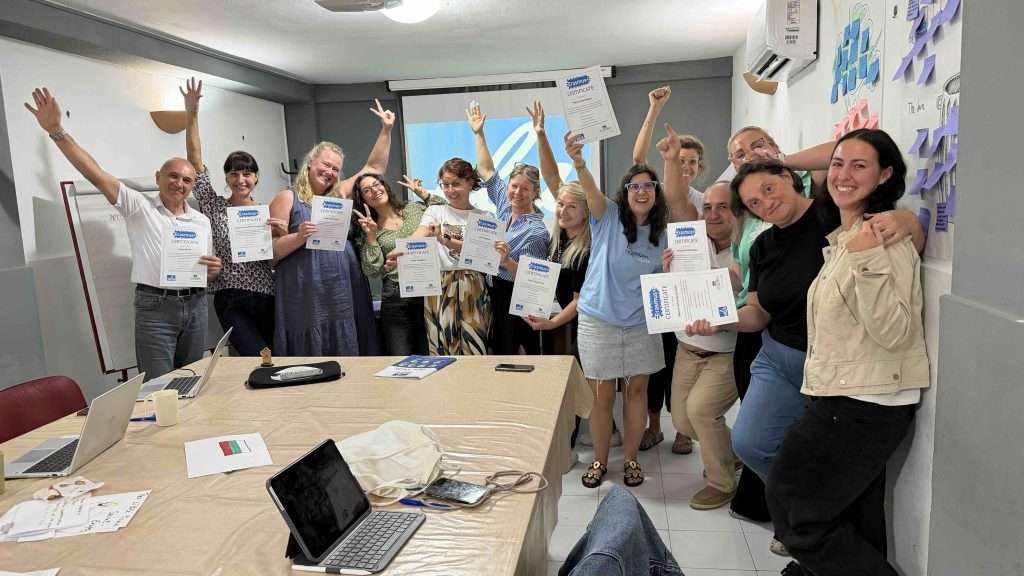
What better way to conclude than by thanking all the participants, whose enthusiasm, commitment, and dedication made this course a unique experience? We hope to see you again soon!
Научете повече за този курс тук.
Where this course took place: Erasmus courses for teachers in Palermo
Planning your own Erasmus+ course? Изтеглете каталога с курсове за 2026-2027
 English (UK)
 Español
 Italiano
 Deutsch
 Română
 Български
 Čeština
 Ελληνικά
 Polski
 Português
 Français