Nowadays, schools and educational programmes bring together people from a wide range of sociocultural backgrounds. Helping students adapt to new cultural environments while fostering critical, open-minded individuals who value and celebrate diversity rather than reject it is one of the greatest challenges teachers face.
The new edition of the course “Intercultural learning and cultural diversity in the classroom” took place in Palermo from 11/10/2026 to 17/10/2026. The participants came from all across Europe, with Eva, Julia and Sinthuya from Mittelschule-am-Gerhart-Hauptmann-Ring in Germany, Afra from Stichting Regionaal Opleidingen Centrum Aventus in the Netherland, and Eva from Vedecko-náučné centrum FUTURUM, n. O in Slovakia.
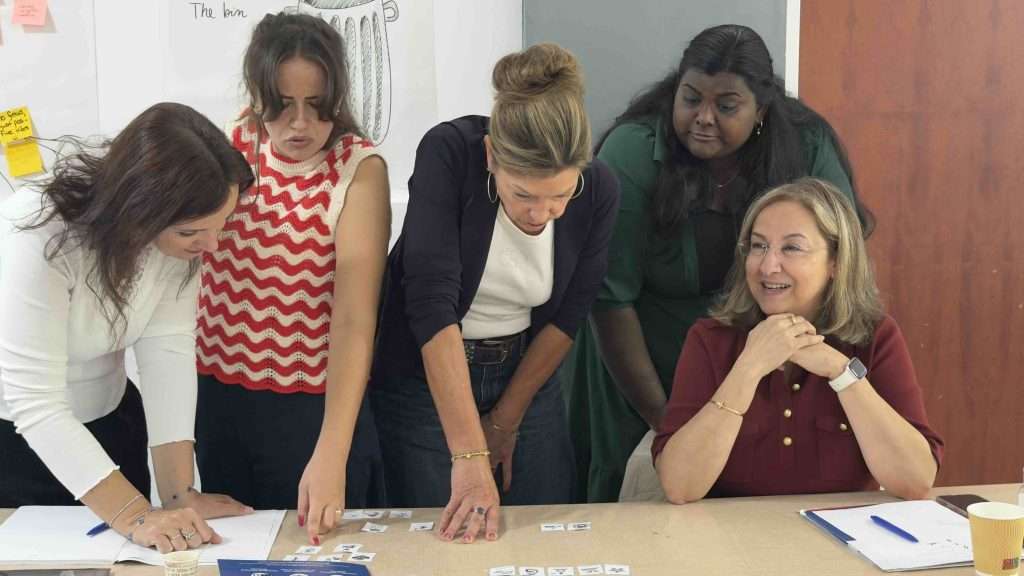
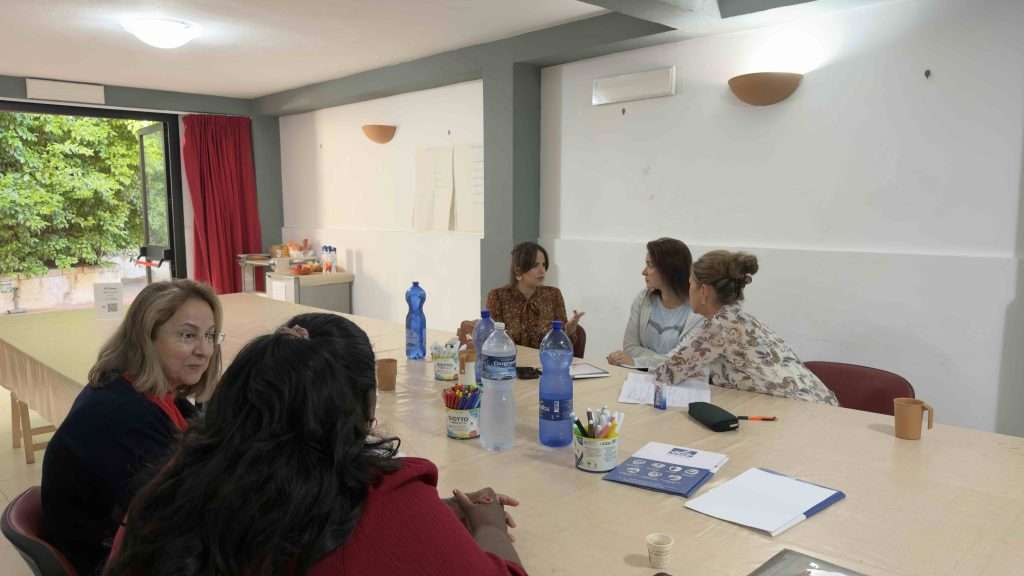
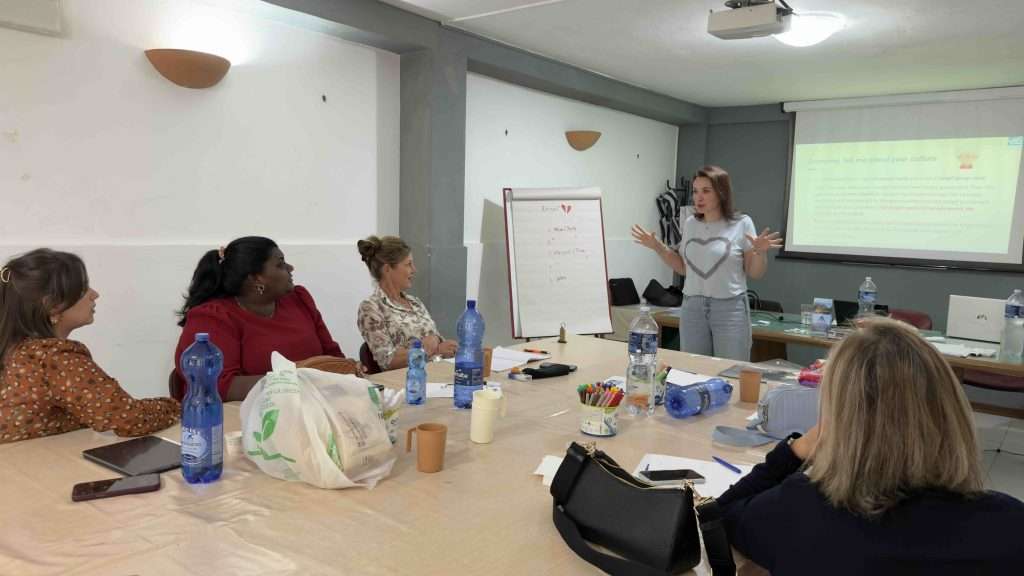
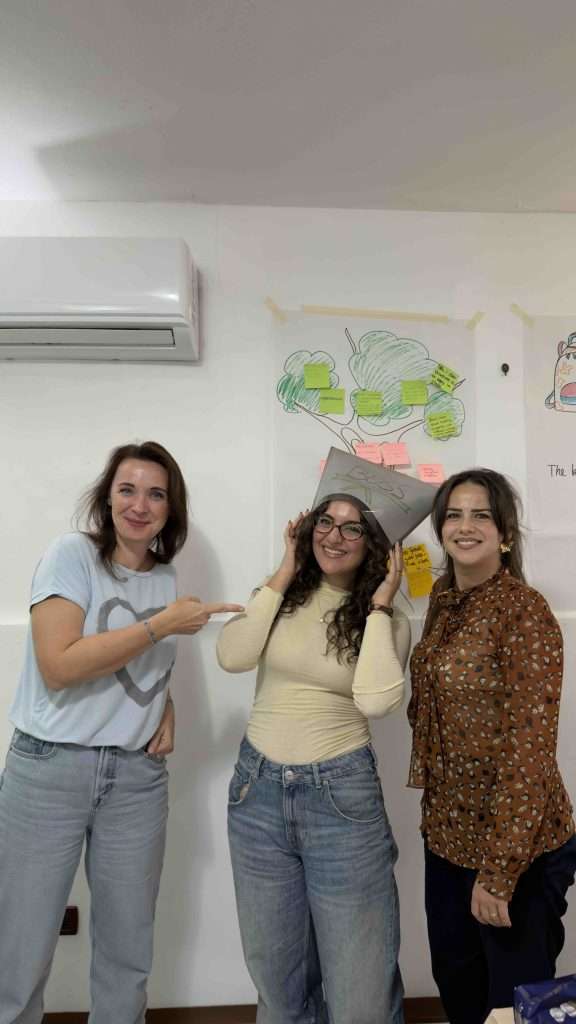
The course began by highlighting the importance of reflecting on the meaning of words. Together, participants explored what intercultural learning meant to them and examined the differences between multicultural, cross-cultural and intercultural approaches. This helped them develop a more nuanced understanding of how to describe and interpret interactions between different cultures.
Throughout the course, we explored the relationship between culture and education. Through a series of practical activities, participants reflected on how cultural backgrounds influence teaching approaches and learning styles. These exercises encouraged them to consider the awareness and sensitivity teachers need when different cultural expectations and practices emerge in the classroom.
We then explored the concept of identity as a starting point for understanding diversity. Through a visual activity, participants reflected on their own identities and examined how culture shapes the way we see ourselves and others.
Next, participants took part in a storytelling activity focused on stereotypes. Together, we explored the vicious cycle of stereotypes, examining how stereotypes can lead to prejudice and discrimination, which in turn reinforce existing stereotypes. Inspired by a TED Talk we watched during the course, we reflected on the following powerful message: “Show a people as one thing — as only one thing — over and over again, and that is what they become.”
The final topic was приобщаване. Through simulation activities, participants explored the challenges of междукултурна комуникация and reflected on how assumptions can influence interactions between people from different backgrounds. These activities encouraged them to question preconceived ideas and identify common ground across cultures.
Participants then took part in group challenges focused on belonging and empathy. These activities can be adapted to different subjects and classroom settings, helping students recognise that every class member has something valuable to contribute. They also encourage students to understand and empathise with their classmates’ different needs, experiences and backgrounds.
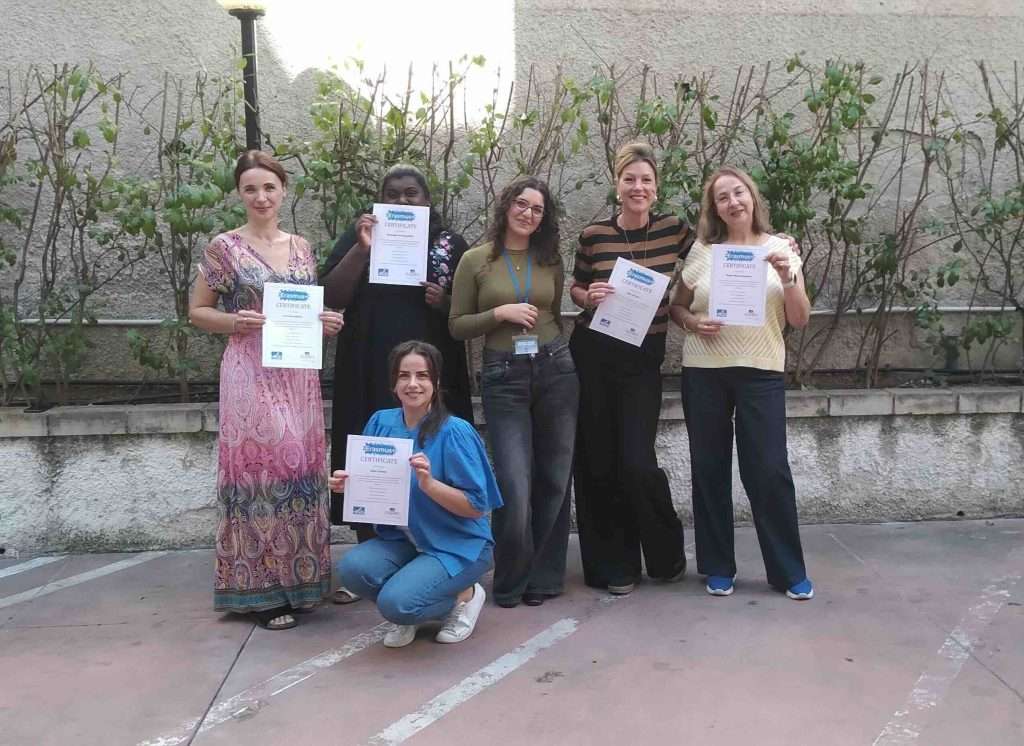
From discovering hidden places to exchanging personal experiences, participants documented their discoveries on a Padlet, creating a collection of local experiences seen through multiple cultural lenses. Because discovering a place becomes even more meaningful when we learn to see it from different perspectives! ;)
Научете повече за този курс тук.
Where this course took place: Erasmus courses for teachers in Palermo
Planning your own Erasmus+ course? Изтеглете каталога с курсове за 2026-2027
 English (UK)
 Español
 Italiano
 Deutsch
 Română
 Български
 Čeština
 Ελληνικά
 Polski
 Português
 Français