Nowadays it is important to have a look at different kinds of non-formal teaching methods and strategies to discover their potentialities in enhancing education effectiveness. Thinking beyond the brick-and-mortar walls of the traditional classroom, Non formal education is “any organised educational activity outside the established formal system – whether operating separately or as an important feature of some broader activity – that is intended to serve identifiable learning clienteles and learning objectives” (Philip Coombs, 1973).
Новото издание на курса “Non-Formal Education Teaching Methods and Strategies” се проведе в Болоня от 01/02/2026 to 07/02/2026. The participants came from all across Europe, with Criste and Petric from Liceul Teoretic PINTEA VITEAZUL in Romania, Juraj from St. Basil’s Secondary Vocational School of Nursing in Slovakia, Eleni from 1o Gymnasio Mandras in Greece, Martina and Stanislava from Stredná odborná škola stavebná in Slovakia, and Sanita from National Library of Latvia in Latvia.

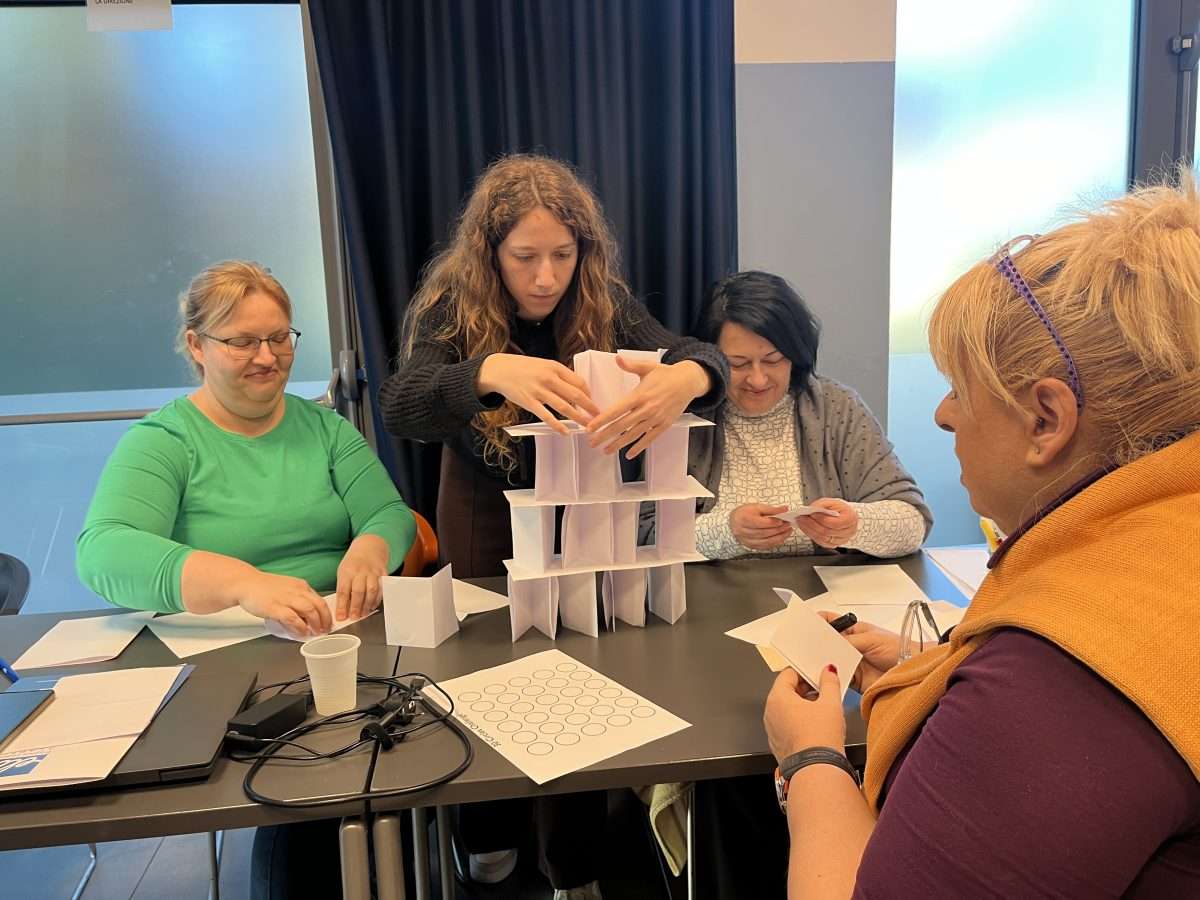
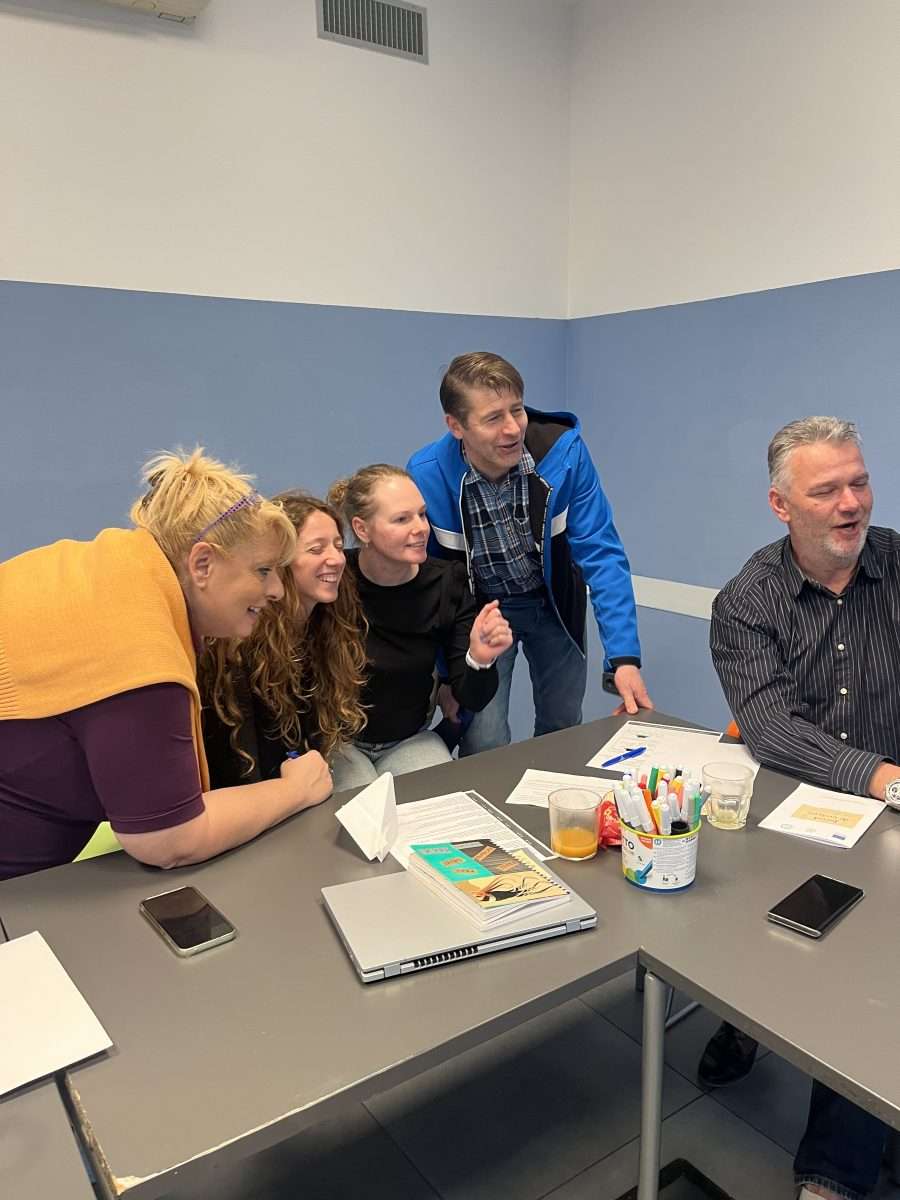
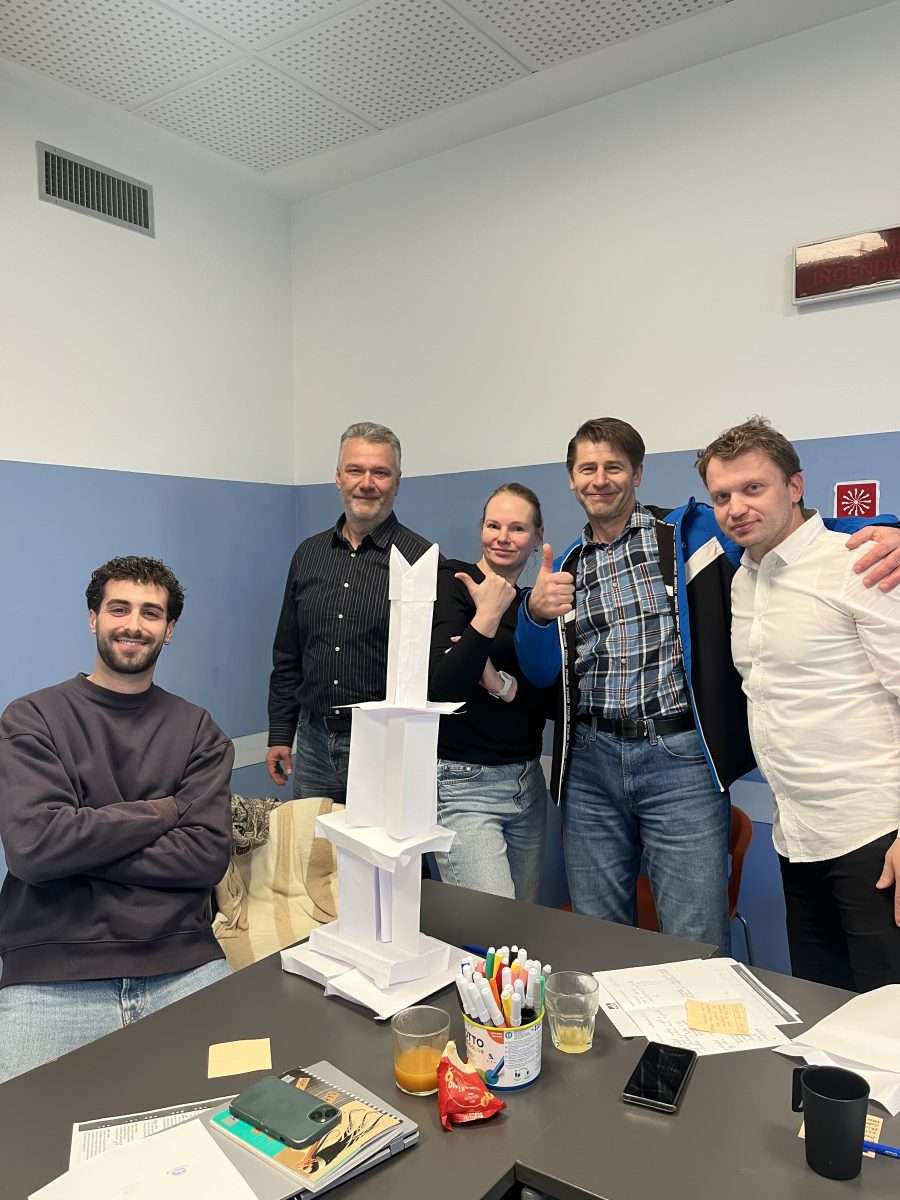
At the beginning of the process, we focused on exploring different visual strategies as a way to encourage creativity and self-expression. Through the use of art and creative thinking, participants engaged in activities such as creating collages and drawing representations of specific topics. These exercises allowed them to approach complex ideas through metaphor and symbolism, making abstract or sensitive concepts easier to express and discuss. Thanks to these visual activities, we discovered together how art can serve as an accessible and powerful tool to open dialogue, stimulate reflection, and communicate ideas that are sometimes difficult to put into words.
After this initial phase, we moved on to experimenting with role-playing games and storytelling techniques. These methods helped participants better understand the implications of certain behaviours within specific contexts. By stepping into different roles, individuals were able to see situations from multiple perspectives and reflect on how their actions can influence group dynamics and outcomes. Storytelling, in particular, encouraged imagination and empathy, allowing participants to connect emotionally with the scenarios presented. At the same time, these activities supported the analysis of the unique contribution that each person can bring when taking on a particular role within a group.
Another important aspect we explored was the value of team building and teamwork in educational settings. Working collaboratively proved to be not only productive but also enriching for all participants. It created a space where each individual could share their ideas, skills, and experiences, contributing to a common goal. This collaborative environment fostered mutual support, active listening, and respect for diverse perspectives, highlighting how cooperation can lead to more effective and meaningful learning outcomes.
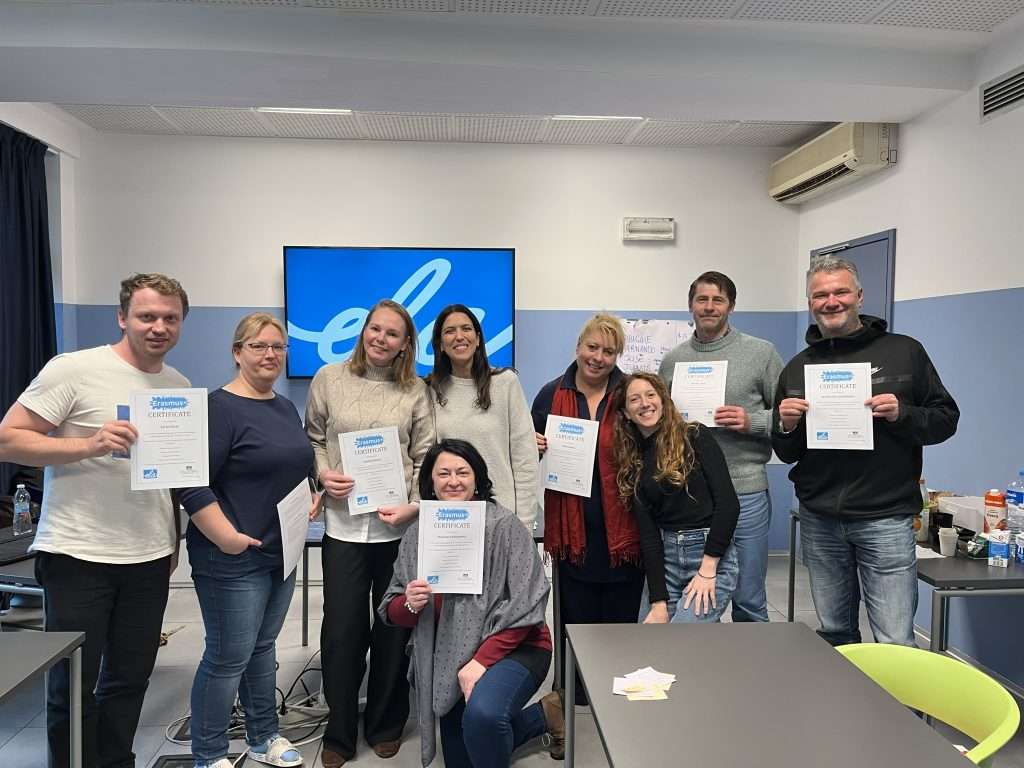
In addition, we engaged in debate and speaking games as part of our non-formal educational approach. These activities were particularly useful for enhancing communication skills and promoting cooperative learning. Through structured discussions and interactive speaking exercises, participants developed their ability to articulate arguments, listen to others, and respond thoughtfully. This process also encouraged the development of a dialectical approach, helping individuals to consider different viewpoints and build well-reasoned opinions.
In conclusion, throughout these days, participants had the opportunity to experiment with innovative non-formal educational methods in a safe, inclusive, and stimulating environment. These experiences contributed to the development of key skills such as teamwork, empathy, communication, and critical thinking. Moreover, participants were not only learners but also active creators, as they had the chance to design and develop new and unique non-formal educational tools that they can apply in their future personal and professional contexts. Hence, we finished the course by talking about formative assessment in non-formal education.
Научете повече за този курс тук.
Where this course took place: Erasmus courses for teachers in Bologna
Planning your own Erasmus+ course? Изтеглете каталога с курсове за 2026-2027
 English (UK)
 Español
 Italiano
 Deutsch
 Română
 Български
 Čeština
 Ελληνικά
 Polski
 Português
 Français