What makes a lesson truly engaging isn’t just the content, it’s how it’s delivered. Every teacher has faced that moment: standing in front of a class, trying to capture attention, explain an idea clearly, or handle a difficult interaction. Communication is at the heart of all of it, and improving it can make a real difference in both teaching and learning.
From 8 to 14 March 2026 in Porto, a group of educators gathered in Porto for the course Effective Communication and Public Speaking for Teachers and Education Staff. The week brought together Andrea and Lidija from Pučko otvoreno učilište Brod (Croatia), Ineta from MTÜ Eesti Inglise Keele Õpetajate Selts (Estonia), and Marko and Jukka from Länsirannikon Koulutus Oy (Finland). Coming from different educational contexts, they shared a common goal: to strengthen their communication skills and feel more confident speaking in front of others.
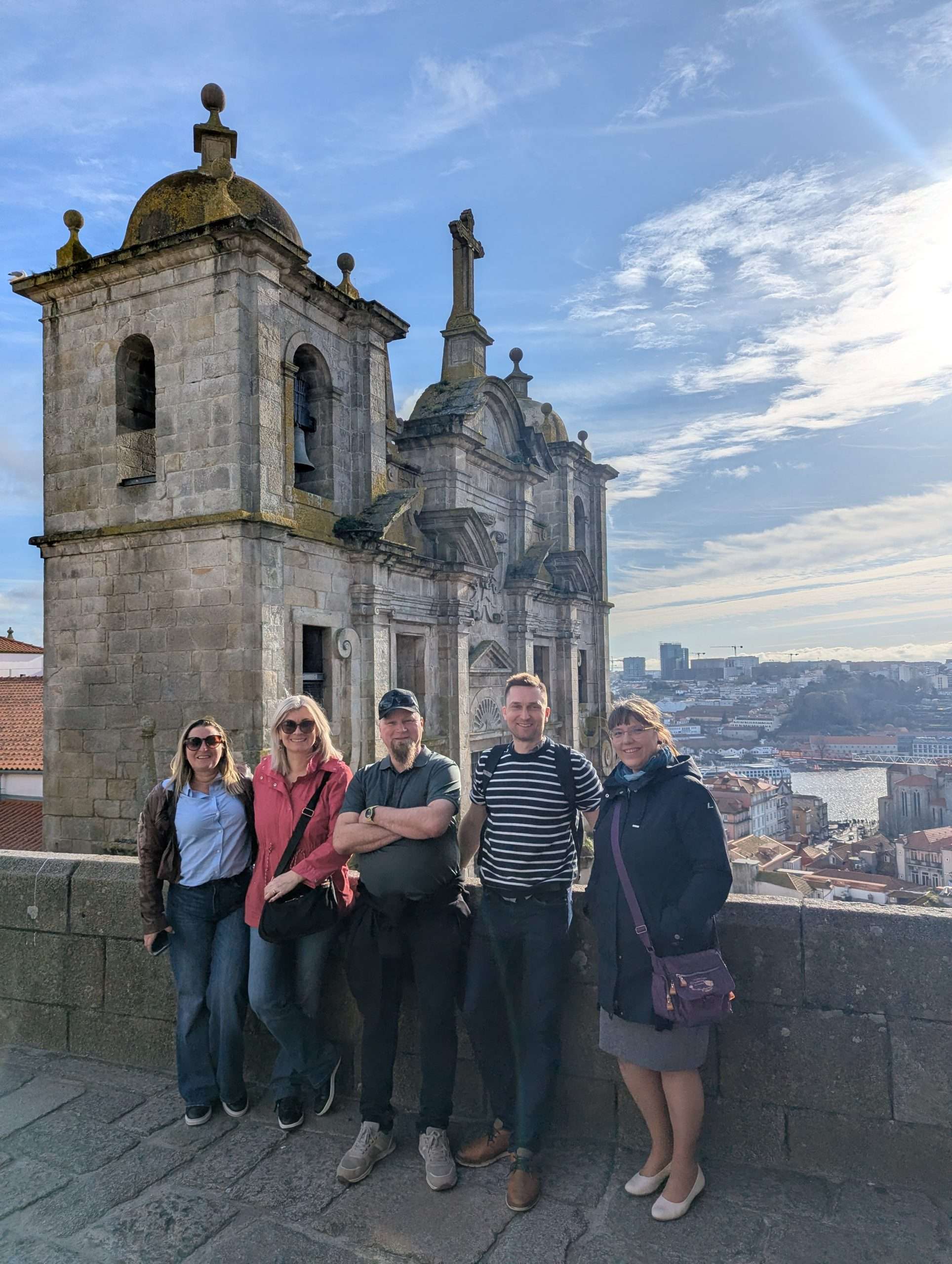
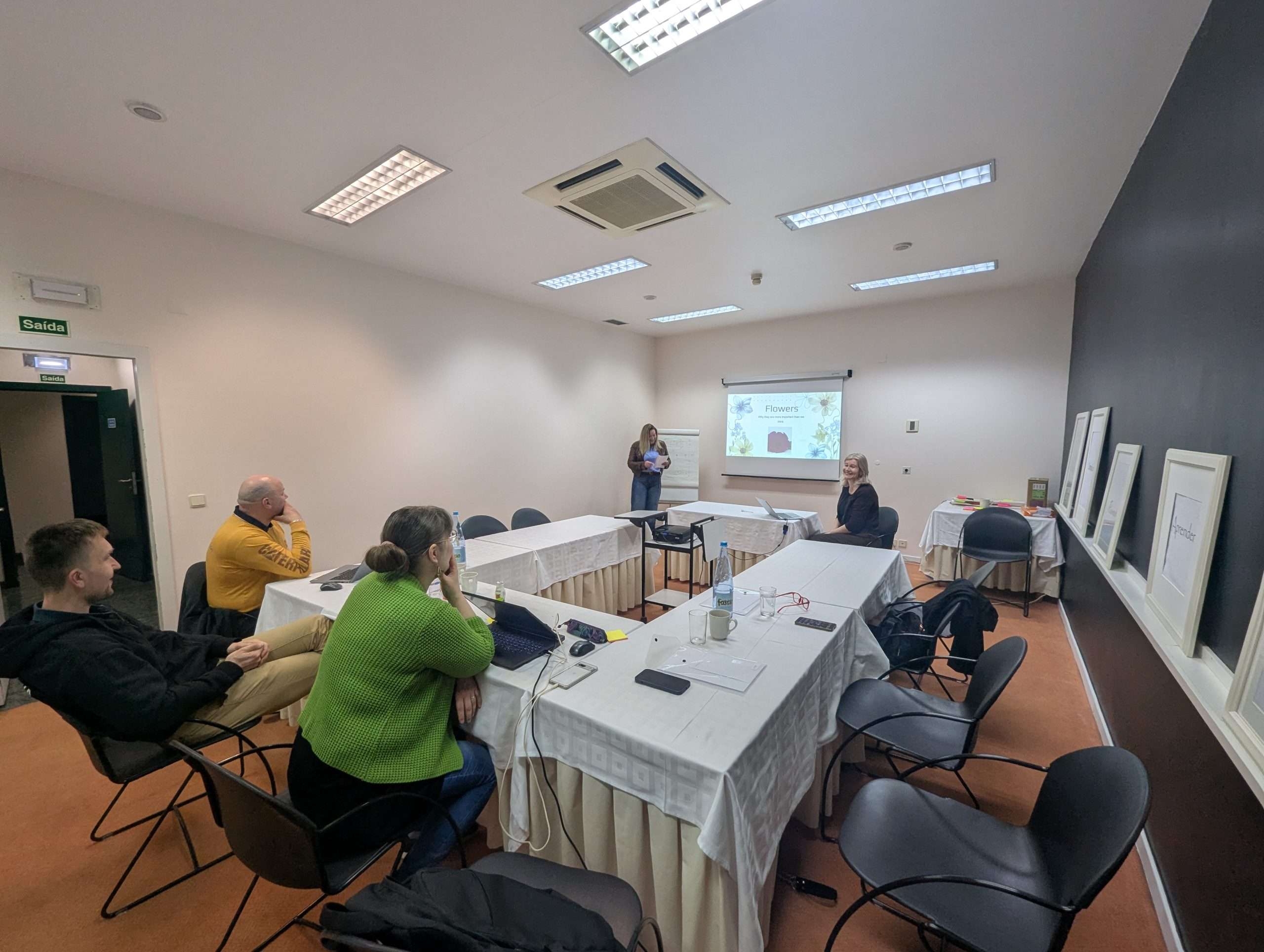
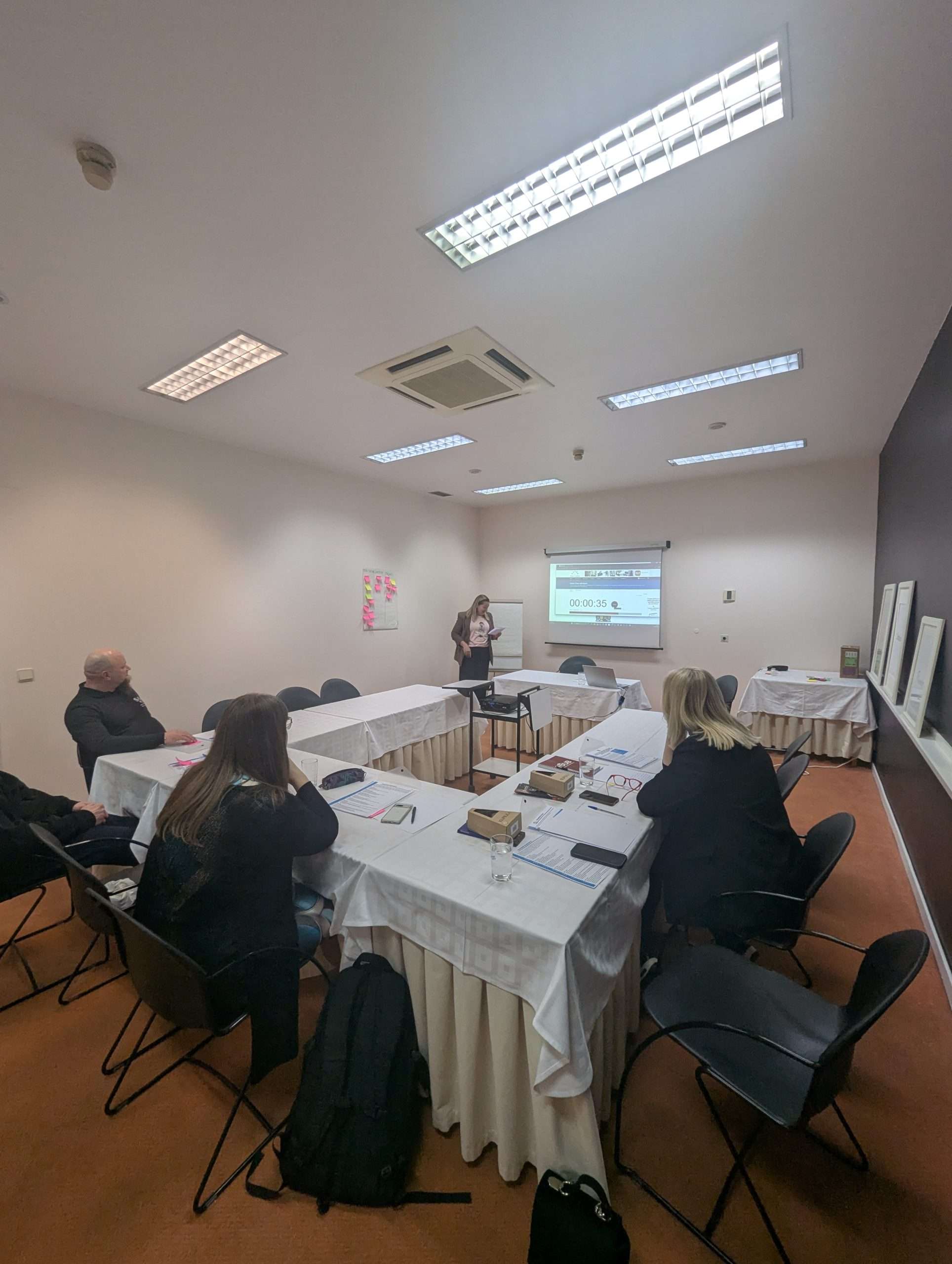
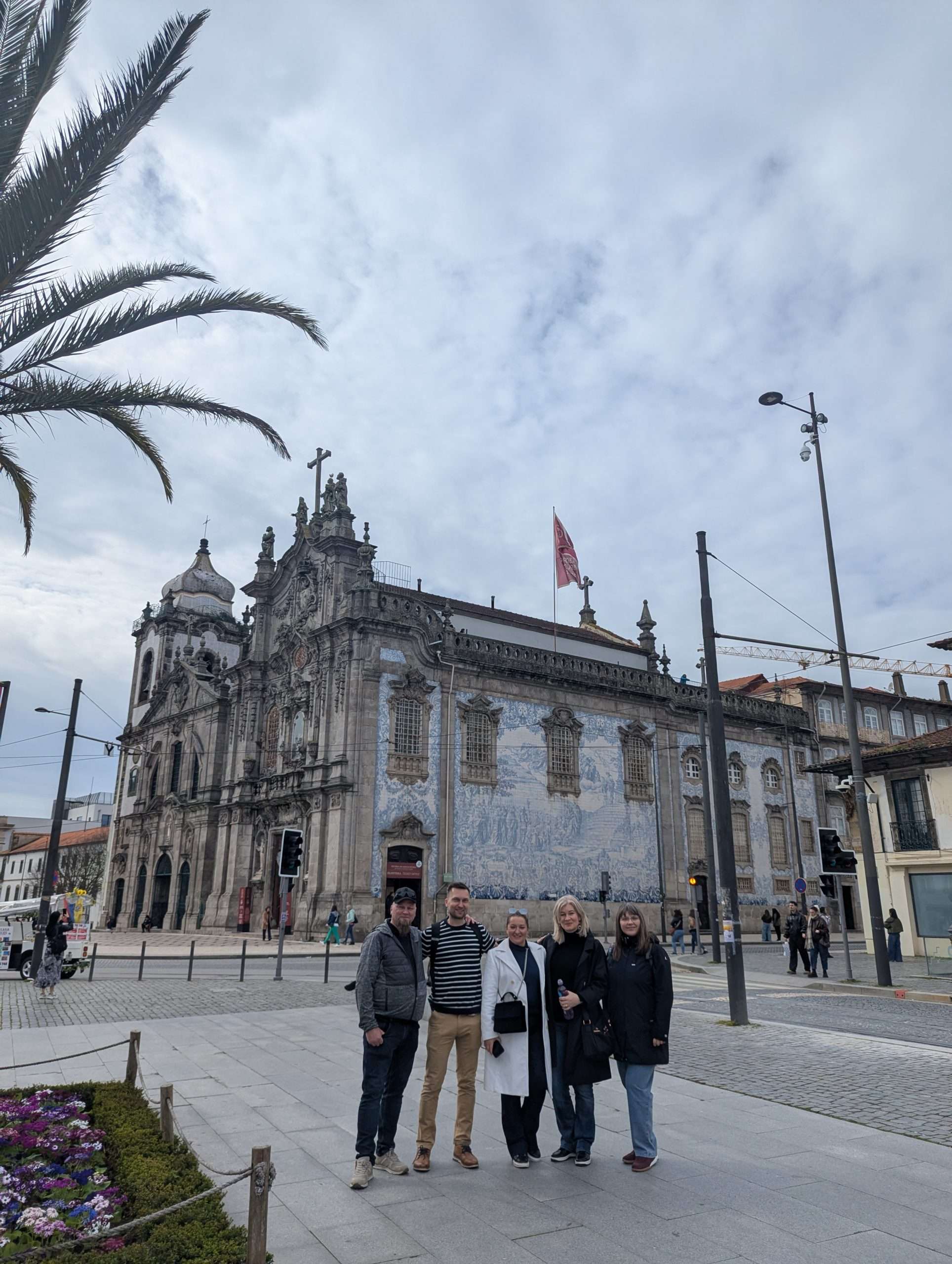
The course began on Sunday with an introduction to the training organisation and the programme itself. After a shared lunch, participants had the chance to explore the city together, setting a relaxed tone and helping the group get to know one another from the start.
The first full day focused on soft skills and the basics of public speaking. Participants explored what makes communication effective in a classroom setting and reflected on their own strengths and challenges. Through practical exercises, they began to experiment with structuring ideas clearly and speaking with purpose, skills that are just as useful in staff meetings as they are in front of students.
On Tuesday, the focus shifted to creativity in public speaking. Participants were encouraged to step outside their comfort zones and try new ways of expressing ideas, using imagination and spontaneity to make their communication more engaging. Activities pushed them to think on their feet and adapt their message to different situations. The day ended with an afternoon tour, offering a chance to unwind and continue informal conversations.
Midweek sessions explored assertiveness and non-verbal communication. Through role-playing and group discussions, participants examined different communication styles and how they affect interactions in educational settings. They also looked at body language, how posture, gestures, and facial expressions can reinforce or undermine a message. This combination helped participants become more aware of how they come across to others.
Thursday centred on positive communication and giving constructive feedback. Participants practiced how to respond to others in a supportive and respectful way, an essential skill when working with students, colleagues, or parents. The activities highlighted how feedback, when delivered thoughtfully, can build trust and encourage improvement rather than defensiveness.
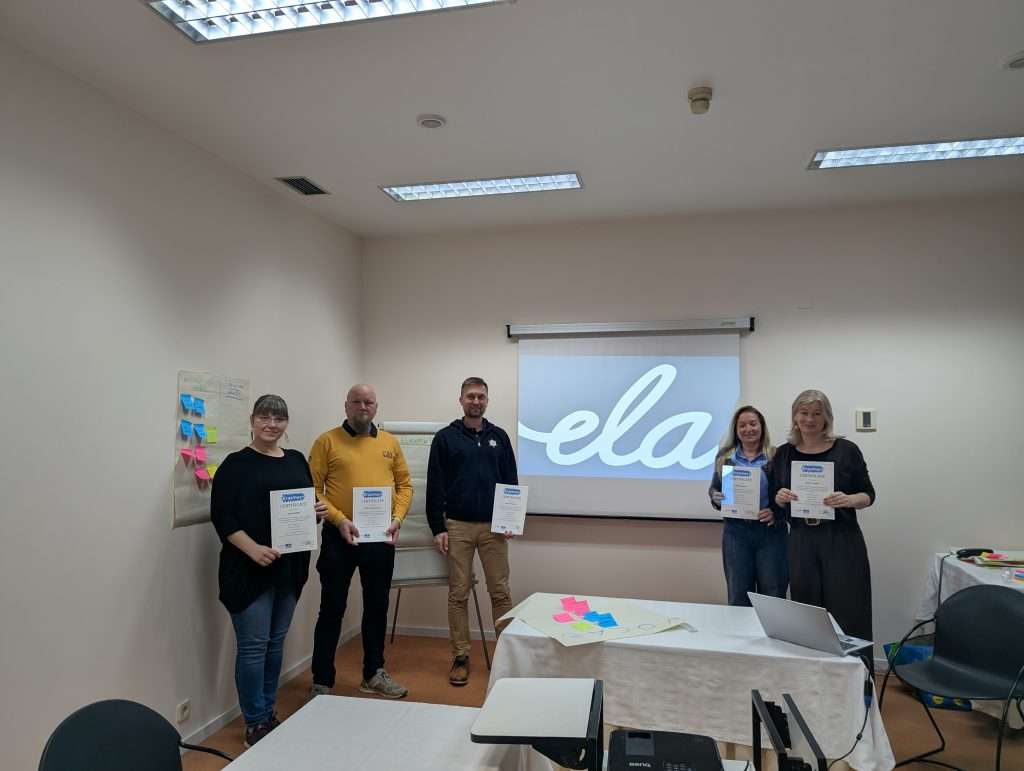
On the final day, the group revisited the key skills for effective communication, bringing together everything they had explored throughout the week. Participants reflected on their progress and shared what they would take back to their own institutions. The course concluded with a final dinner, marking not just the end of the training but also the connections built over the week.
By the end of the course, participants had gained more than just technique. They had a clearer understanding of their own communication style and how to adapt it to different situations. They left Porto with greater confidence, practical strategies, and a sense of shared experience that comes from learning together. Discover more about this course тук.
Where this course took place: Erasmus courses for teachers in Porto
Planning your own Erasmus+ course? Изтеглете каталога с курсове за 2026-2027
 English (UK)
 Español
 Italiano
 Deutsch
 Română
 Български
 Čeština
 Ελληνικά
 Polski
 Português
 Français