Bringing drama into the classroom goes far beyond performance. It creates a safe and dynamic learning space where students can actively test ideas, interact with one another, and express themselves in ways that feel more natural and spontaneous than in traditional lessons. When teachers use drama-based methods, they open doors to collaboration, creativity, and deeper emotional understanding.
From 26-02 април 2026 г., a group of educators from across Europe gathered in Palermo for the course Drama in Education: Tools for Creativity, Trust, and Emotional Intelligence in the Classroom. The participants included Inese Aispuriete from Valmieras Valsts ģimnāzija (Latvia), Dace Ekša and Skaidrīte Cherevko from Jelgava Primary School “Valdeka” – development center (Latvia), Pirkko Myyry from Live Vocational College (Finland), and Alena Křičková from Základní škola SMART (Czech Republic).
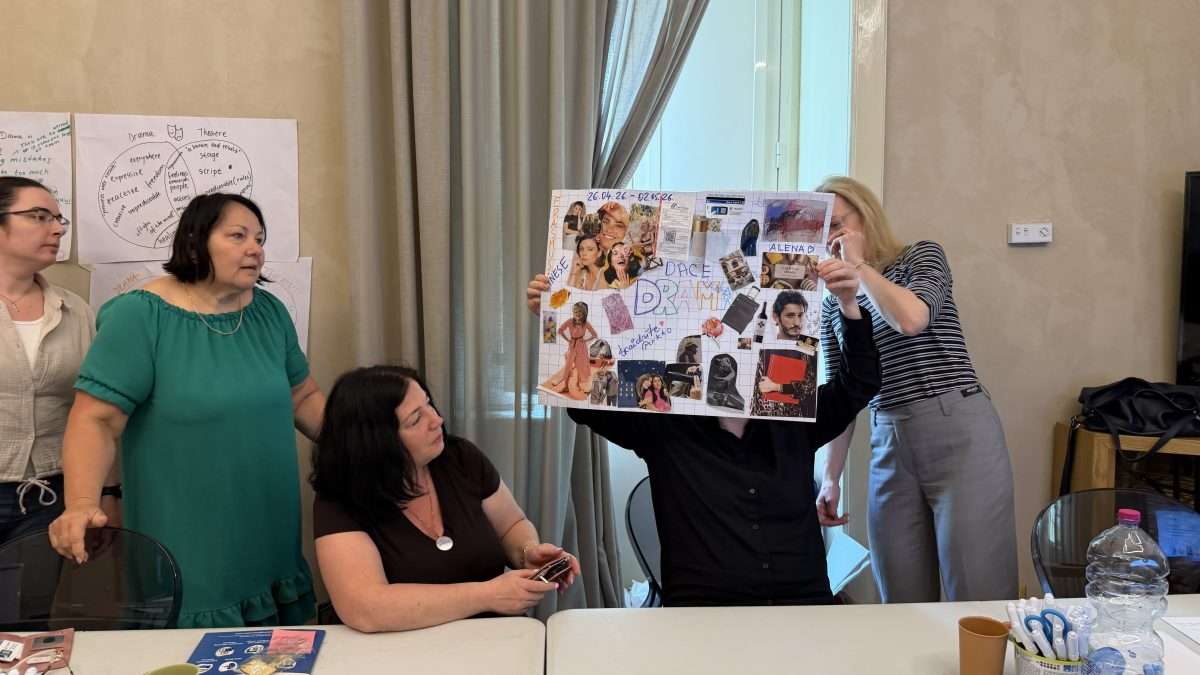
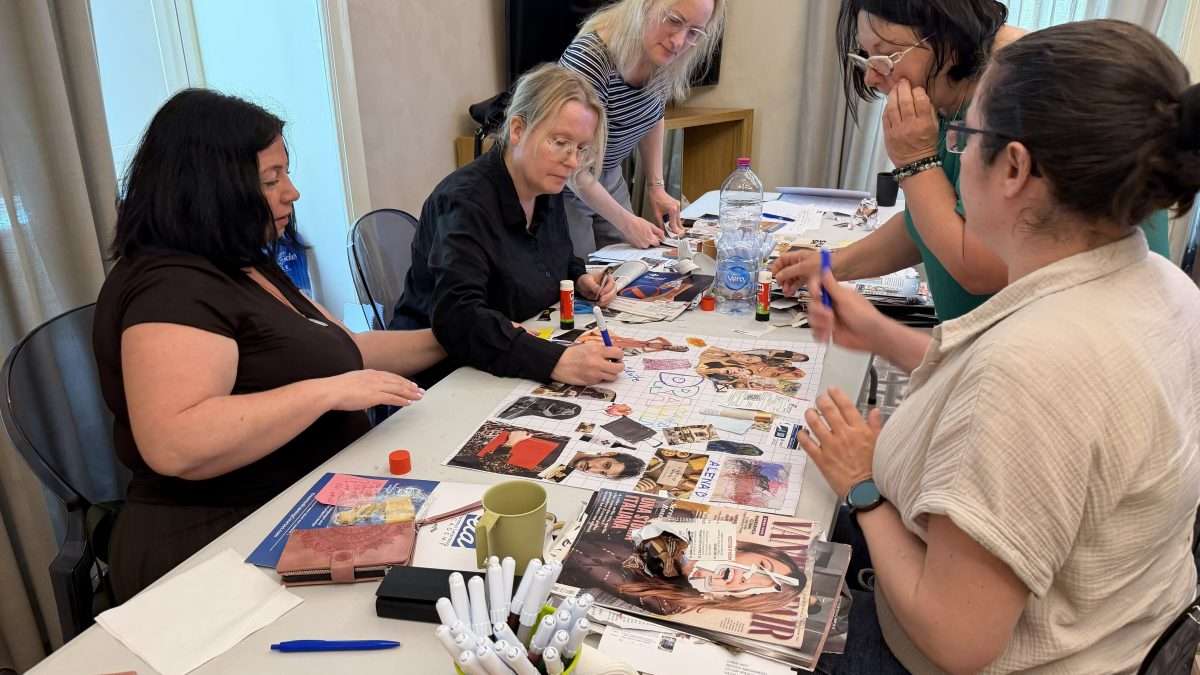
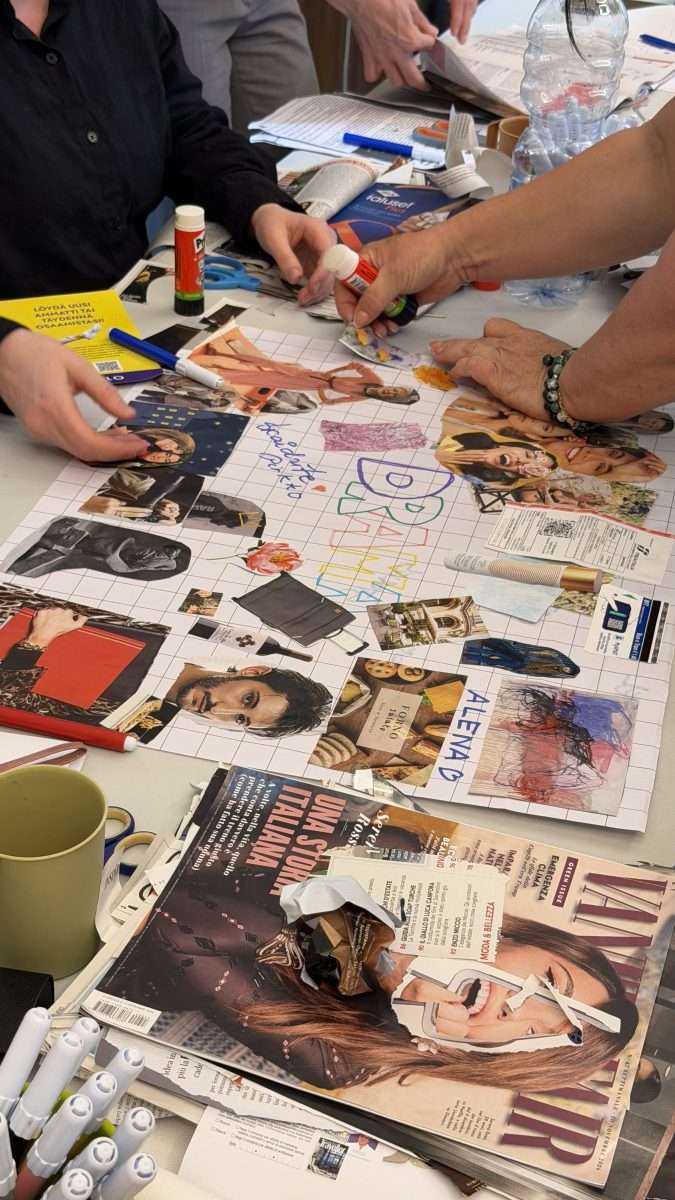
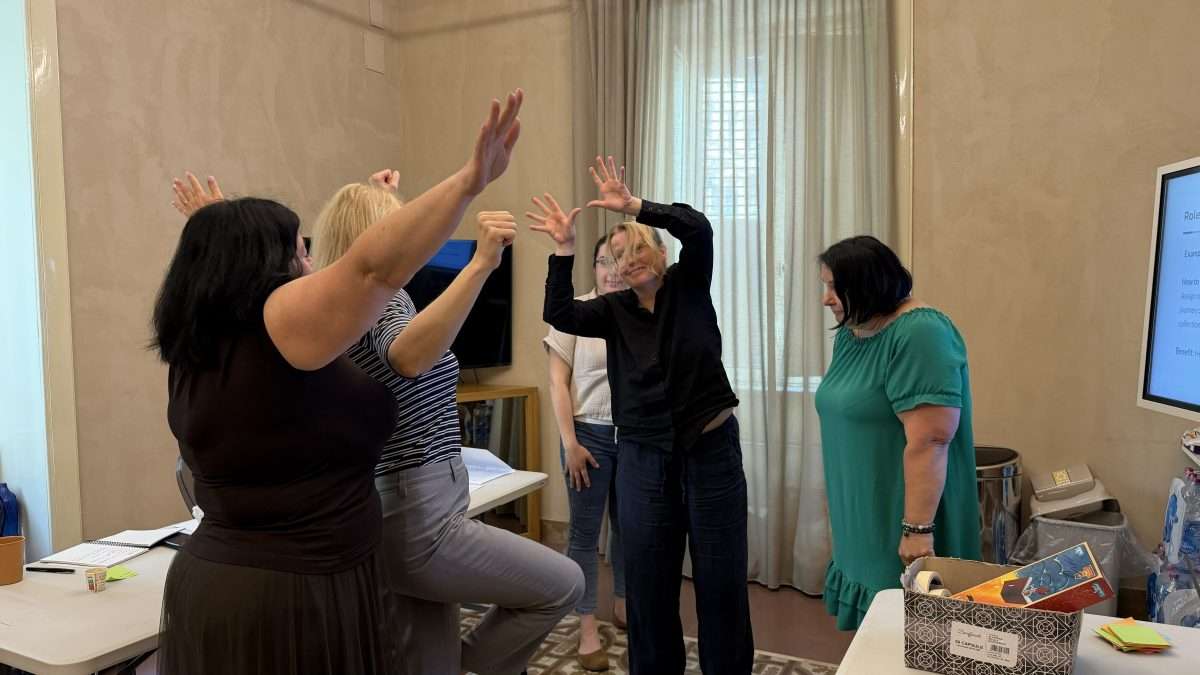
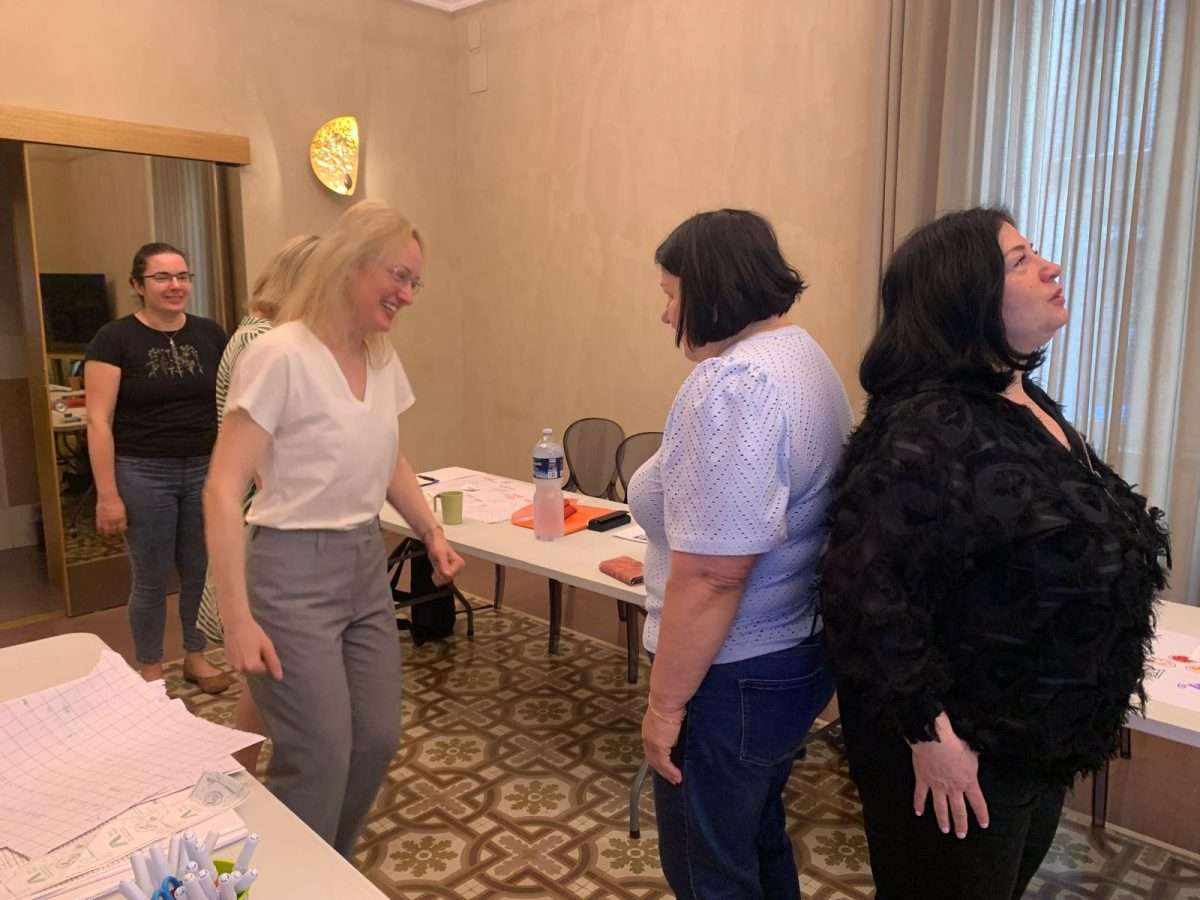
The week began with an introduction to drama in education and an open exchange on expectations, contributions, and concerns. Participants also shared their current classroom practices, which helped position drama within real teaching contexts and clarify how it is already being used across different settings.
The focus then shifted to drama techniques, particularly role play and storytelling, alongside emotional intelligence. Using structured, hands-on exercises, participants worked with the emotions wheel and practiced role play activities aimed at developing social and emotional skills. Storytelling was also introduced as a pedagogical tool, with attention to how it can support understanding, engagement, and meaning-making in the classroom.
Attention then turned to improvisation, creativity, and public speaking. In small groups, participants completed a “10 quests” challenge in which each task highlighted one principle of improvisation. Through these activities, they actively experienced how trust, collaboration, and group cohesion can directly influence confidence, spontaneity, and learning dynamics.
The programme also explored expressive arts for education, specifically drawing and music. Participants explored how visual and musical activities can be used in teaching to support expression, attention, and cultural awareness. The day also highlighted how these creative tools can foster intercultural understanding and increase student engagement в класната стая.
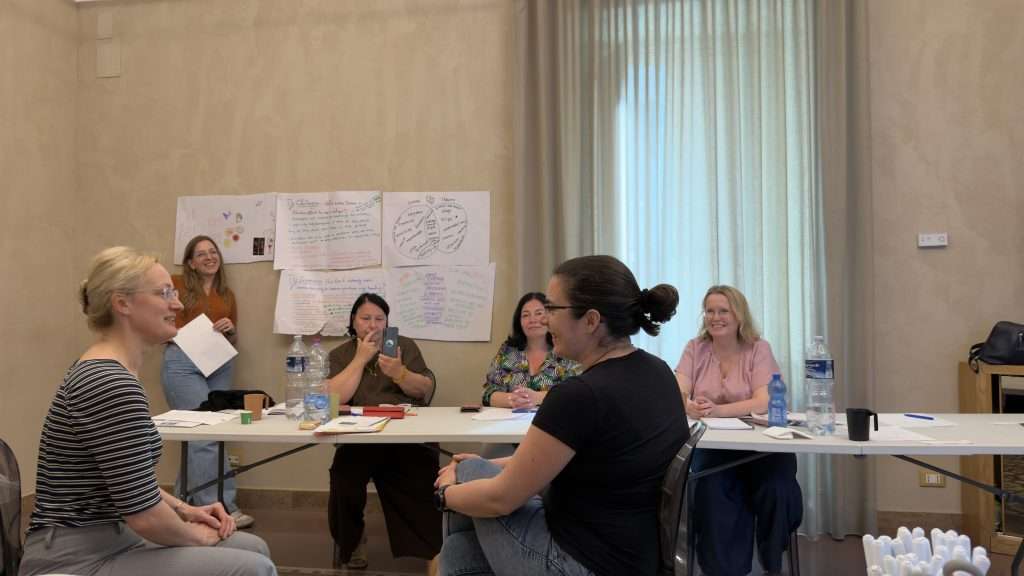
Finally, participants worked on integrating drama into classroom practice. They explored how drama-based activities can be adapted across subjects such as languages, history, mathematics, and science. The final task was to design and present an original classroom activity, bringing together the methods and insights developed during the week.
By the end of the course, participants left with practical teaching strategies and a clearer understanding of how drama can be used to support creativity, communication, and emotional development. The experience also strengthened professional connections across countries and provided concrete ideas ready to be implemented in their own classrooms.
Where this course took place: Erasmus courses for teachers in Palermo
Planning your own Erasmus+ course? Изтеглете каталога с курсове за 2026-2027
 English (UK)
 Español
 Italiano
 Deutsch
 Română
 Български
 Čeština
 Ελληνικά
 Polski
 Português
 Français