In today’s classrooms, learning and well-being are closely connected. Teachers are increasingly expected not only to deliver content but also to notice when students are struggling and respond in ways that support both academic progress and emotional balance. This makes space for professional development that focuses on mental health more relevant than ever.
From 21 to 27 June 2026, educators gathered in Болоня, Италия, for the Erasmus+ course “Promoting Students’ Well-being and Mental Health in Schools: Strategies for Teachers and Education Staff.” The training took place at Болоня, providing a shared setting for reflection, collaboration, and hands-on learning. The group included Violeta Mitrović, Žarko Vidosavljević, and Jelena Jablanovic от Primary School Miloje Zakić (Serbia), as well as Susanne Santala-Eriksson от Helsingfors Arbis (Finland). Throughout the week, participants exchanged perspectives shaped by different school systems and student needs, creating a rich and open learning environment.
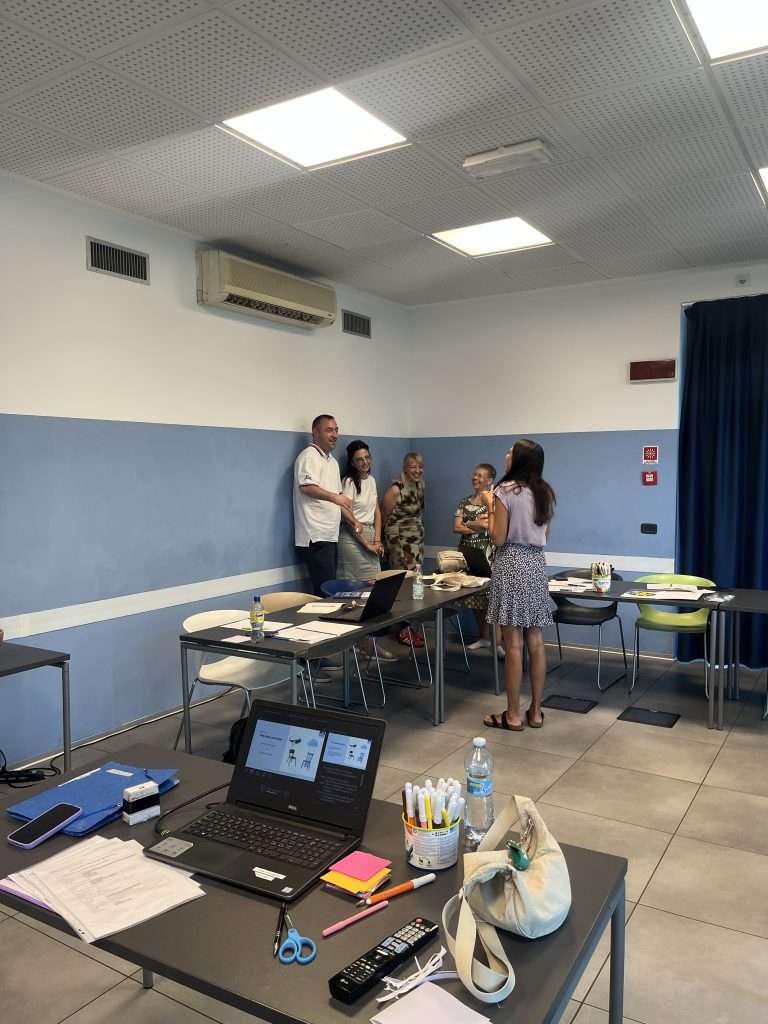
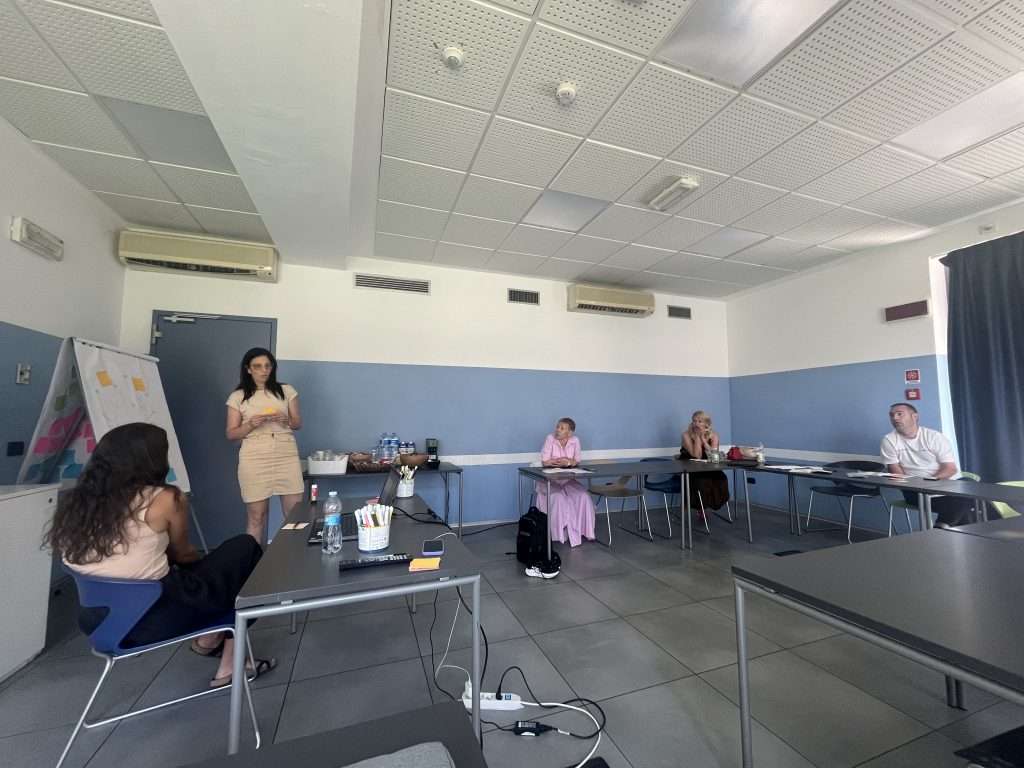
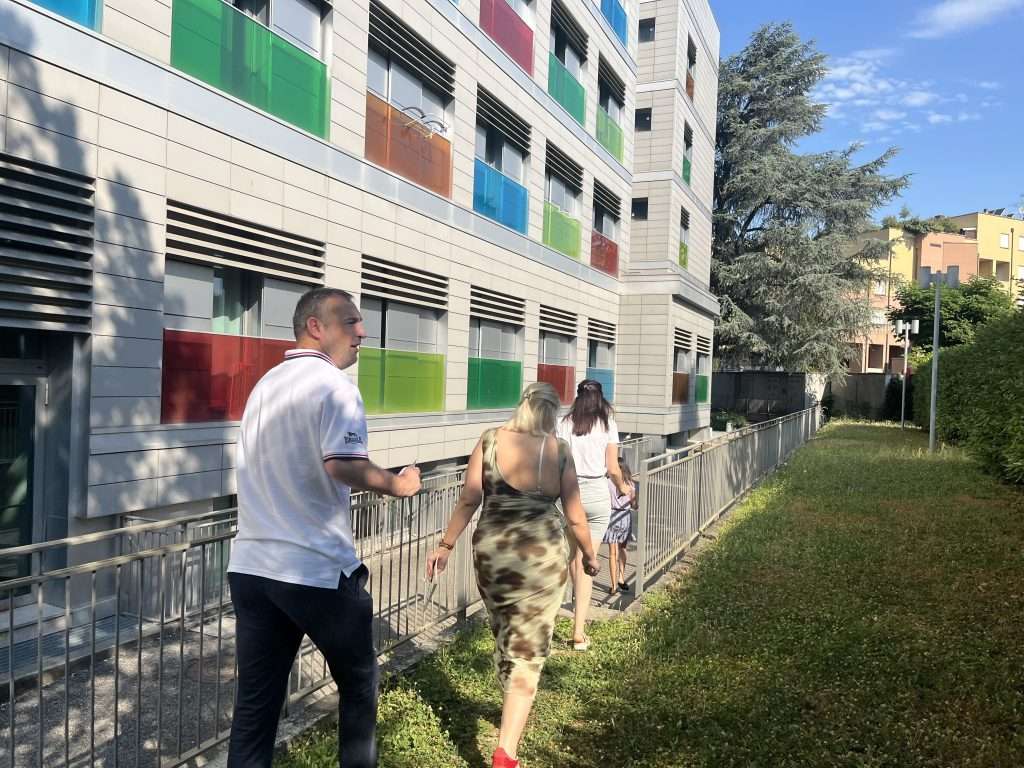
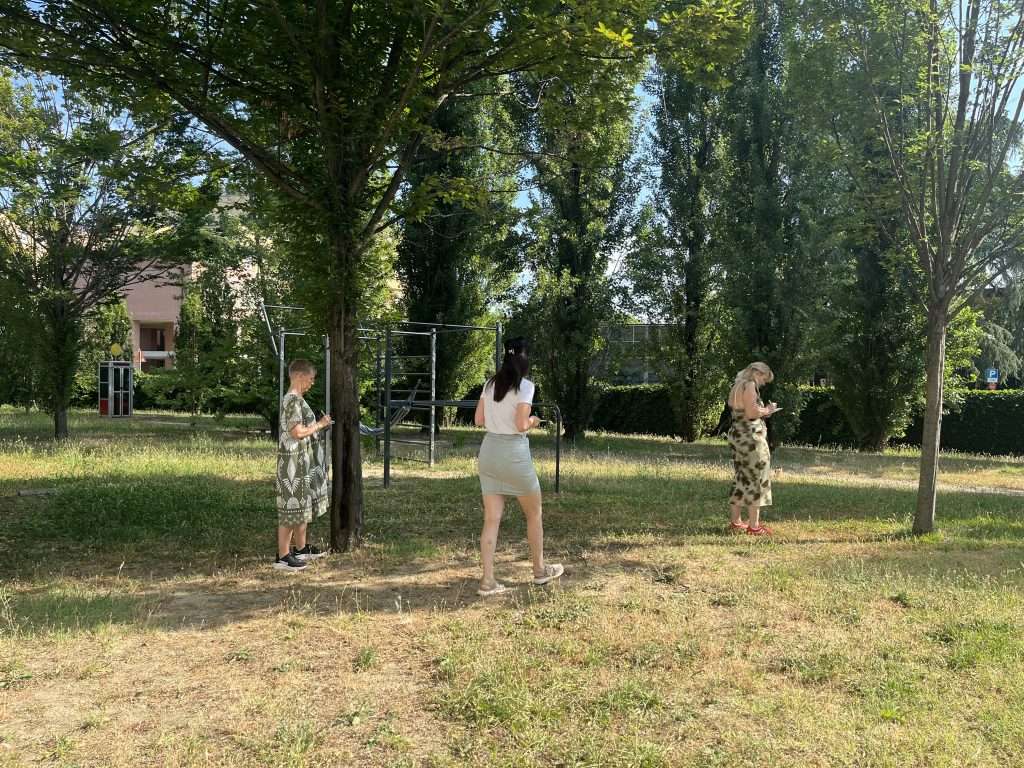
The course was structured as a progressive journey, with each stage building naturally on the previous one. It began with a shared exploration of what well-being and mental health mean in a school context. Rather than treating these as abstract concepts, the group looked at everyday situations – classroom dynamics, workload, motivation, and relationships – and discussed how these factors influence both students and teachers.
As the training developed, attention shifted toward recognising early signs of emotional distress and understanding how schools can respond in supportive and practical ways. Participants worked through real-life scenarios, exchanged experiences from their own schools, and discussed how communication between teachers, students, and families can either strengthen or weaken a student’s sense of safety and belonging.
Midweek activities focused on practical tools for the classroom. Through guided mindfulness exercises, simple body-awareness techniques, and sensory-based activities, participants explored ways to help students regulate emotions and improve concentration.
The final part of the course brought together emotional intelligence and classroom practice. Participants reflected on how teachers can model empathy, build trust, and create routines that support resilience. They also explored cognitive and behavioural strategies that can be adapted to different age groups, with a focus on small, realistic actions that can be integrated into everyday teaching rather than treated as separate interventions.

What stayed with the group after leaving Bologna was not a single method or activity, but a shared shift in perspective. It helped turn abstract ideas into more grounded and usable approaches. Back in their schools, participants return with new entry points for practice, clearer priorities, and a stronger awareness of how everyday interactions shape student well-being.
Научете повече за този курс тук.
Where this course took place: Erasmus courses for teachers in Bologna
Planning your own Erasmus+ course? Изтеглете каталога с курсове за 2026-2027
 English (UK)
 Español
 Italiano
 Deutsch
 Română
 Български
 Čeština
 Ελληνικά
 Polski
 Português
 Français