During these past years traditional education had to leave space for virtual lessons and online classes. As a result, both teachers and students had to adapt and find new ways to teach and learn remotely. In this context, using new technologies, digital tools and interactive learning platforms demonstrated to be a winning strategy. These technologies allowed teachers all over the world to maintain an engaging and dynamic environment, even in virtual classes. The same tools also proved their utility in real classrooms, particularly by helping improve students’ attention and enthusiasm.
The new edition of the combined courses “Максимално използване на новите технологии, приложенията и социалните мрежи в класната стая” and “”Открийте най-добрите приложения и инструменти за електронно обучение, дистанционно обучение и уеб дизайн“ се съсредоточи именно върху тези въпроси. Тази сесия от курса се проведе в Палермо от 03/05/2026 до 09/05/2026. Участниците дойдоха от цяла Европа, като Melanie и Alexandra от Австрия (Alpen-Adria-Gymnasium Völkermarkt), Marjukka от Финландия (Omnia, the Joint Authority of Education in the Espoo region), Krisztina от Nederlands (Keizer Karel College), Věra от Чешка република (Brno University of Technology), Barbara (SCHOOL ASSOMPTION Orléans) and Diane (Lycée Evariste Galois) from Франция, Irene from Испания (Ceipso salvador de madariaga), Alina, Ingvilda and Eva от Латвия (Pauls Stradins Clinical University Hospital) and 3 participants from Румъния, Dan и Gheorghe (Colegiul National ‘Petru Rares’ Piatra Neamt) and Anda (Revivart Association).
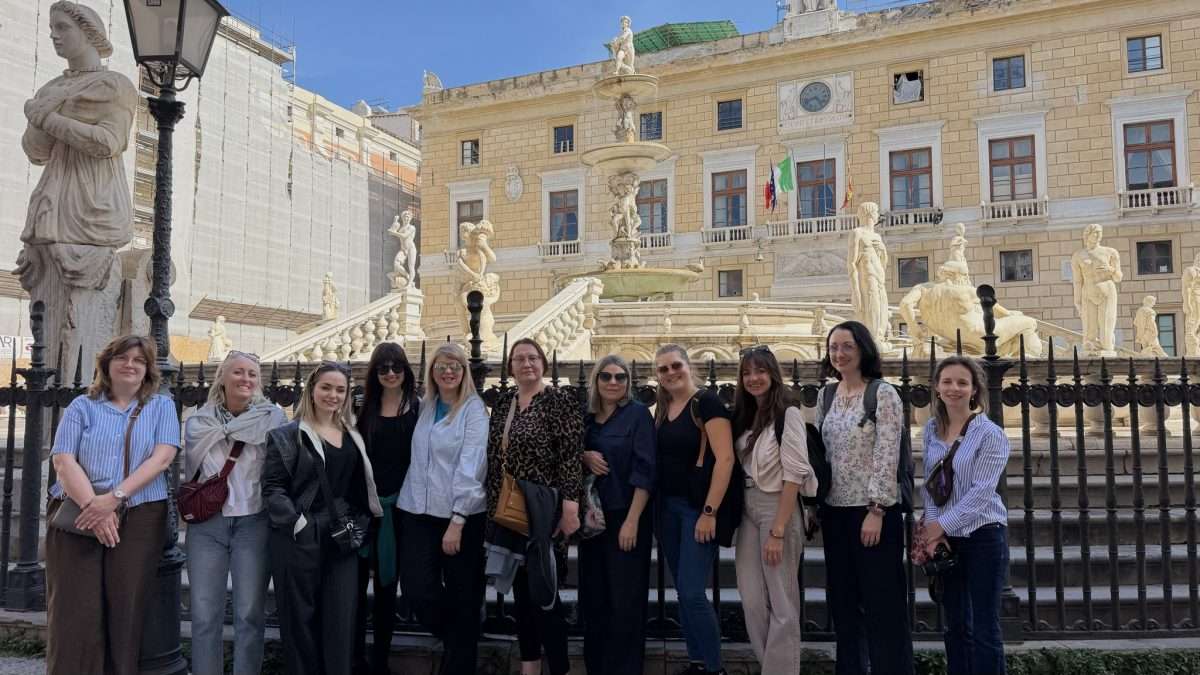
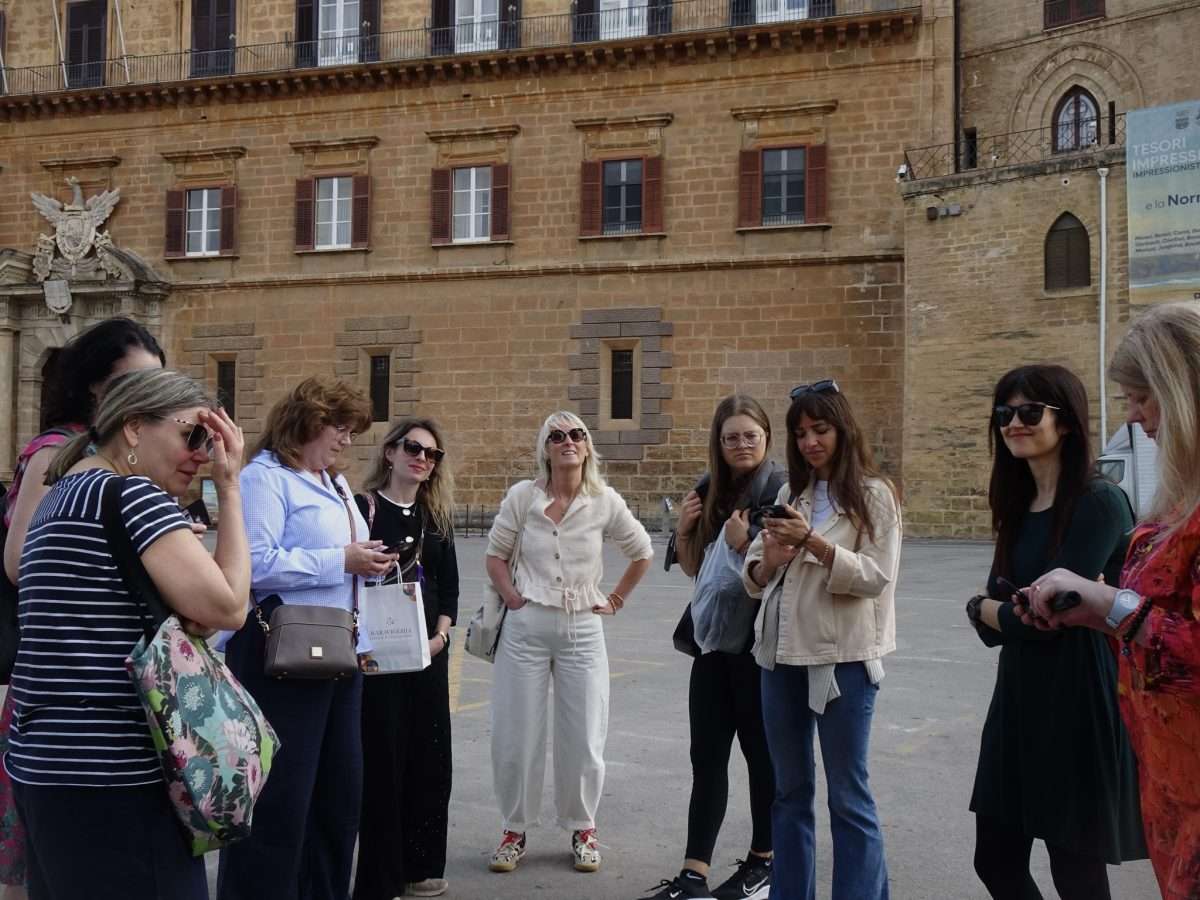
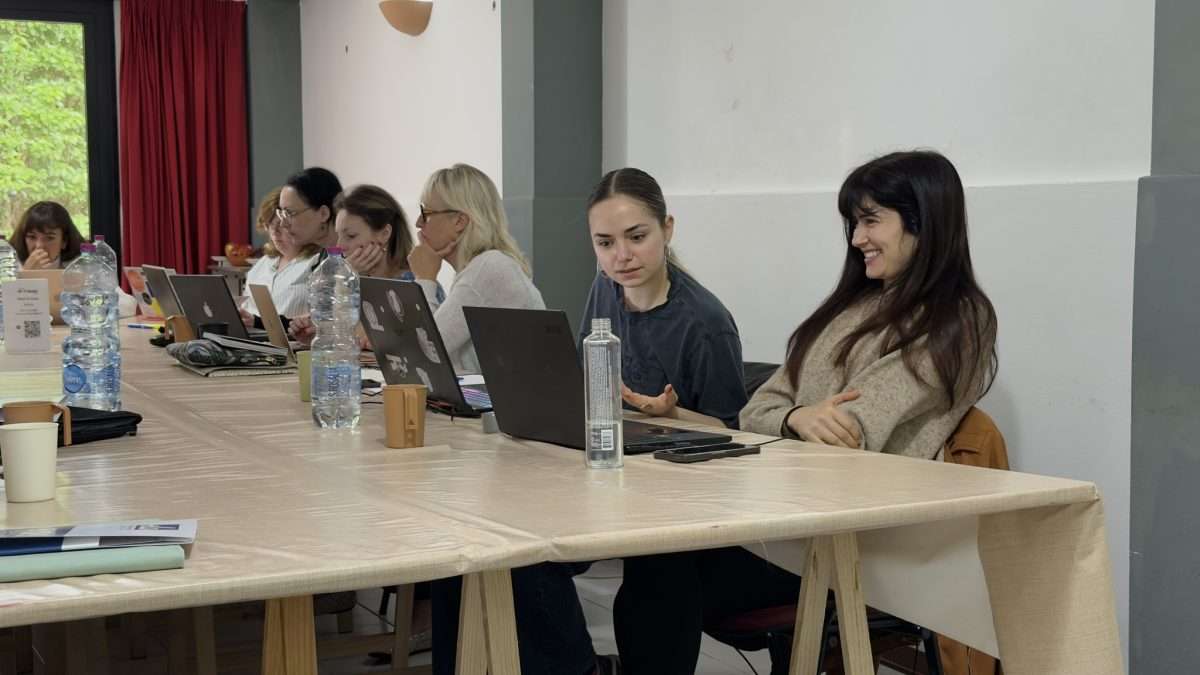
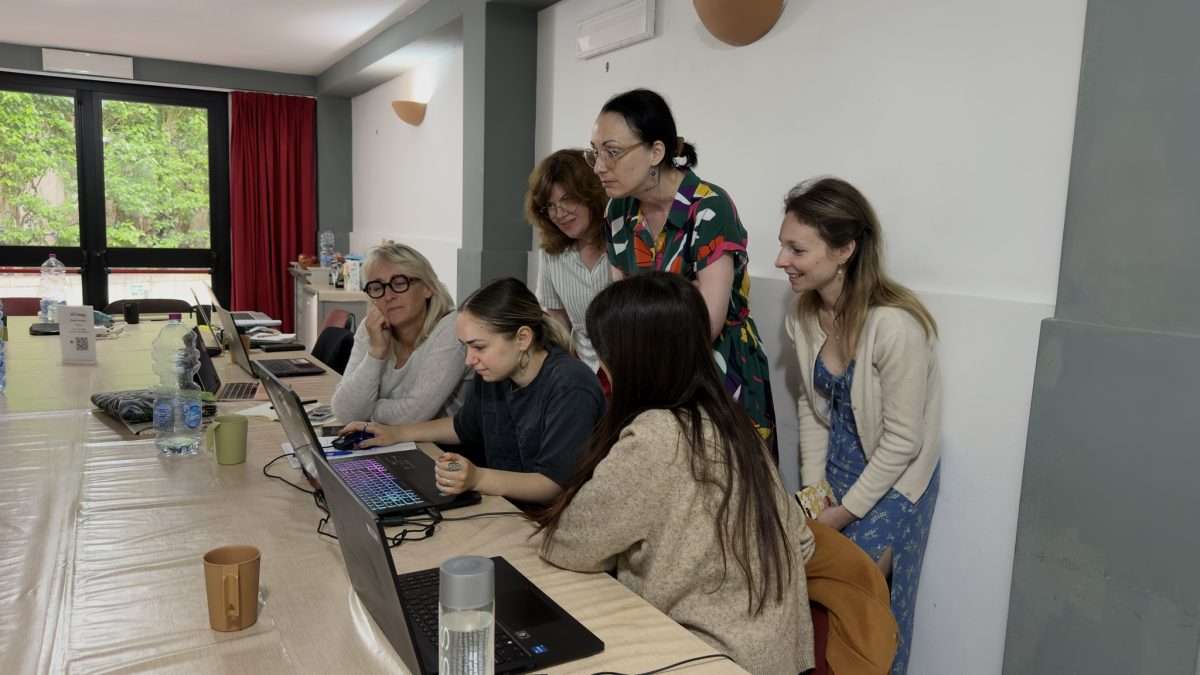
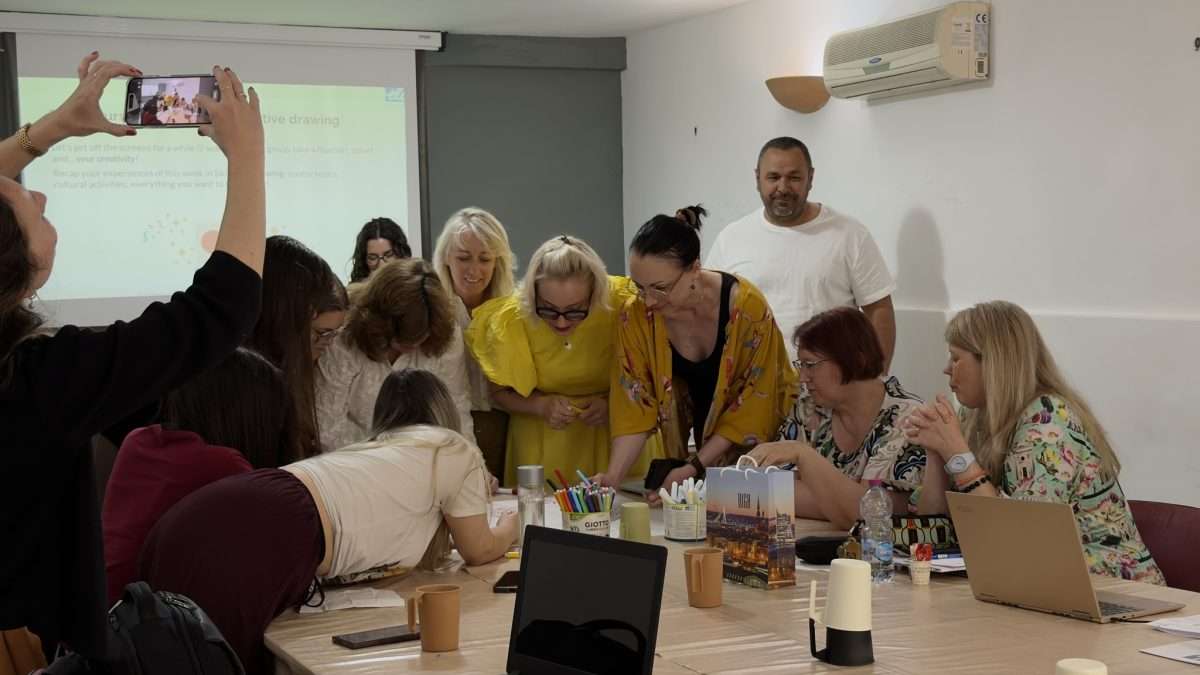
During this course, participants learned how to use a wide range of technological tools and integrate them into their teaching methods. The main objective was to apply these new technologies in both physical and virtual classrooms in order to make teaching easier and more effective.
First, they explored some of the simplest and most accessible tools for editing pictures and videos, which can be highly effective in educational settings. These tools can be used for many different purposes, such as creating multimedia content, introducing new topics, reviewing previous lessons, or encouraging students to produce their own projects and develop their creativity
Another topic explored during the course was how to build a website, which can offer many opportunities for distance learning. By creating different pages and enriching them with various types of content, participants had the opportunity to personalize their websites according to their needs. For example, they could create blogs to document the different stages of a project, build portfolios, share educational materials, and organize online learning resources in a clear and interactive way.
The course continued with the exploration of tools designed for collecting and sharing resources and educational content. Participants discovered platforms that allowed them to gather and enrich videos, images, texts, PDFs, and other materials, and then share this content with their students in just a few clicks. These tools can be particularly useful for explaining specific parts of an image, especially in scientific subjects, or for providing additional context that supports a deeper and more engaging learning experience when introducing a new topic, such as in foreign language studies. Participants also experimented with collaborative platforms functioning as shared digital walls, where each user can post content and contribute to building a more complete and interactive collection of information.
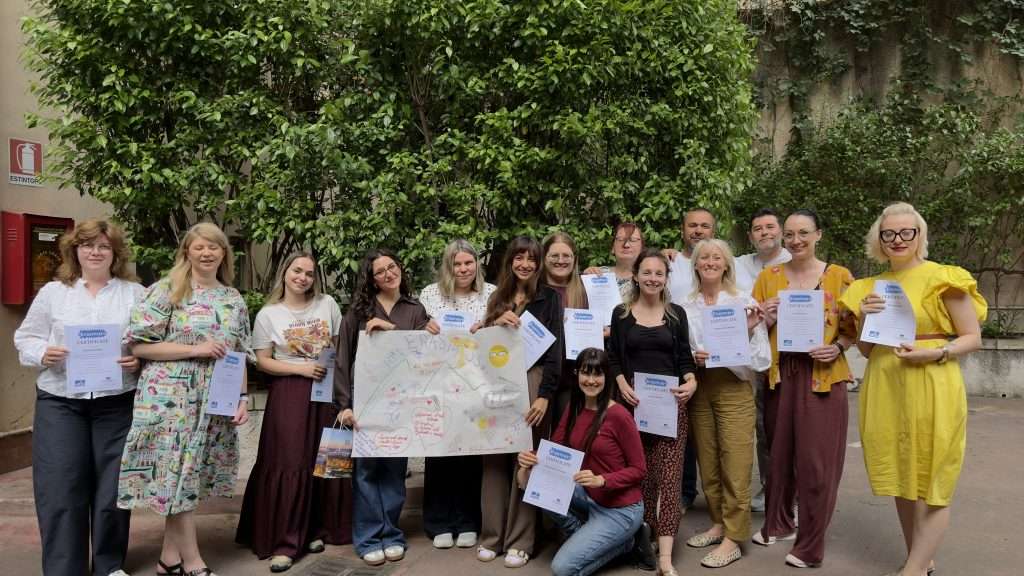
Among the many tools discovered during the course, participants also explored interactive presentation platforms that allow teachers to actively involve students during lessons. For example, teachers can collect the class’s opinions through live polls, create word clouds, or invite students to ask questions and share feedback in real time while a topic is being presented. They also learned how to create видеоуроци, which have become especially valuable in recent years, as well as online quizzes that can be used to assess students’ understanding and monitor their progress in an engaging way.
Участниците завършиха този курс с нови познания за interactive learning and new technologies and a new set of tools, ready to use them in their real and online lessons. There is no doubt that this approach will increase the students’ creativity, engagement, attention and motivation and help transform learning into a fun and dynamic activity!
Научете повече за този курс тук и тук.
Where this course took place: Erasmus courses for teachers in Palermo
Planning your own Erasmus+ course? Изтеглете каталога с курсове за 2026-2027
 English (UK)
 Español
 Italiano
 Deutsch
 Română
 Български
 Čeština
 Ελληνικά
 Polski
 Português
 Français