Artificial intelligence is opening up new possibilities for education, but making the most of it means understanding not only what these technologies can do, but also how to use them thoughtfully and responsibly. With this goal in mind, educators from across Europe and beyond gathered in Palermo for the Erasmus+ course “Artificial Intelligence Course for Teachers: Advanced Tools and Apps,” held from July the 5 to July the 11.
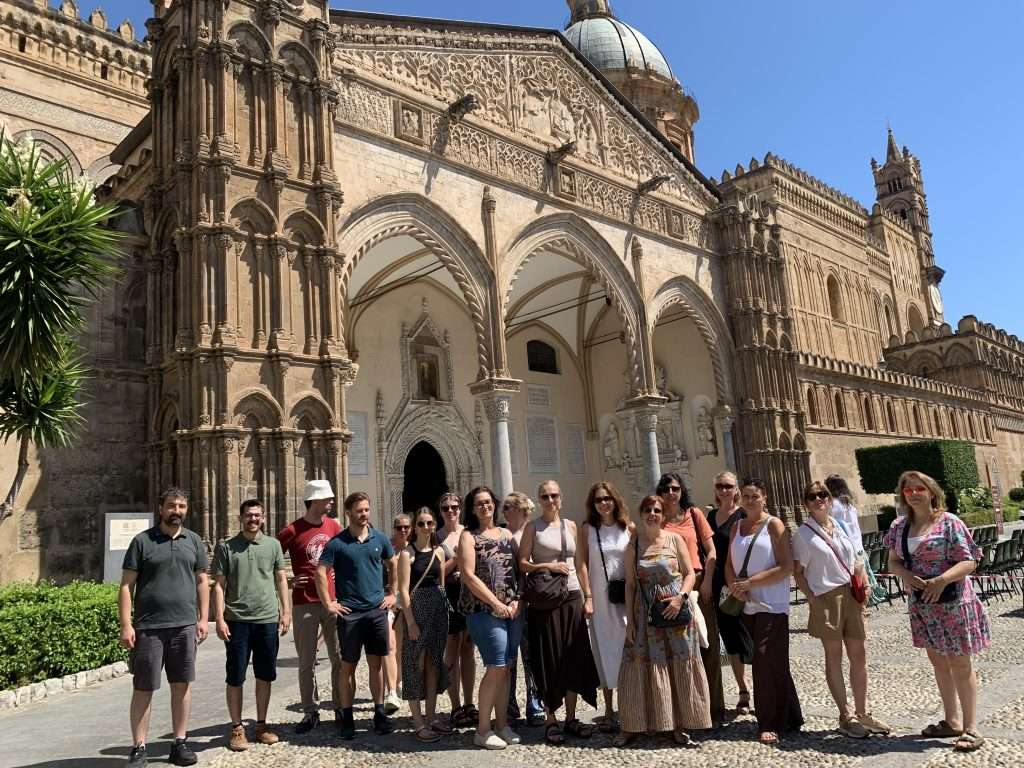
The course brought together : Toms Ričards Krieviņš, from Vidzeme Technology and Design Vocational School, Latvia ; Sebastian Kipper and Martin Offer, from Collegium Josephinum Bonn, Germany ; Elżbieta Sroka, from Szkoła Podstawowa im. Macieja Rataja w Lichwinie, Poland ; Sophie Peyronnet and Stephanie Schmidt, from Stadtschule Travemünde, Germany ; Usame SARITAŞ and Çağrı KANİ, from Zeynep Bediz Oyar, Turkey ; Paula Alexandra Martins De Oliveira, Adelina Maria Gaspar Gama and Maria João Miranda Pires, from Universidade de Trás-os-Montes e Alto Douro, Portugal ; and finally, Daniela Rabajdová, from Stredná priemyselná škola dopravná, Slovakia.
Throughout the week, participants shared experiences from their own educational contexts while exploring new ways to integrate AI into teaching and learning.
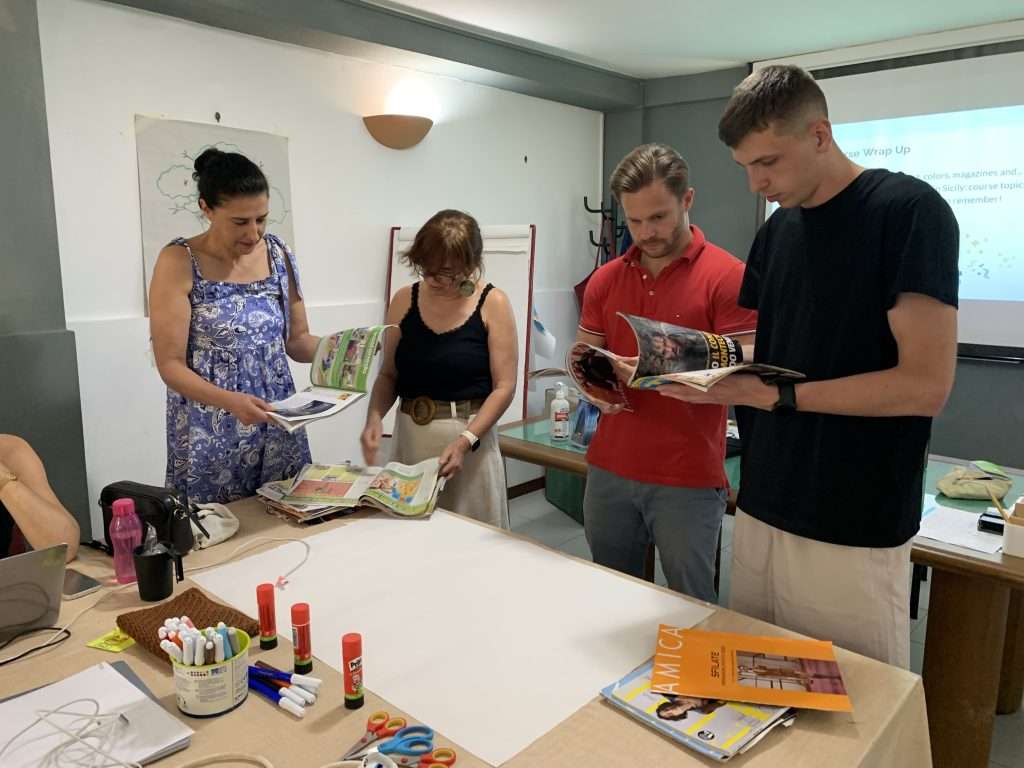
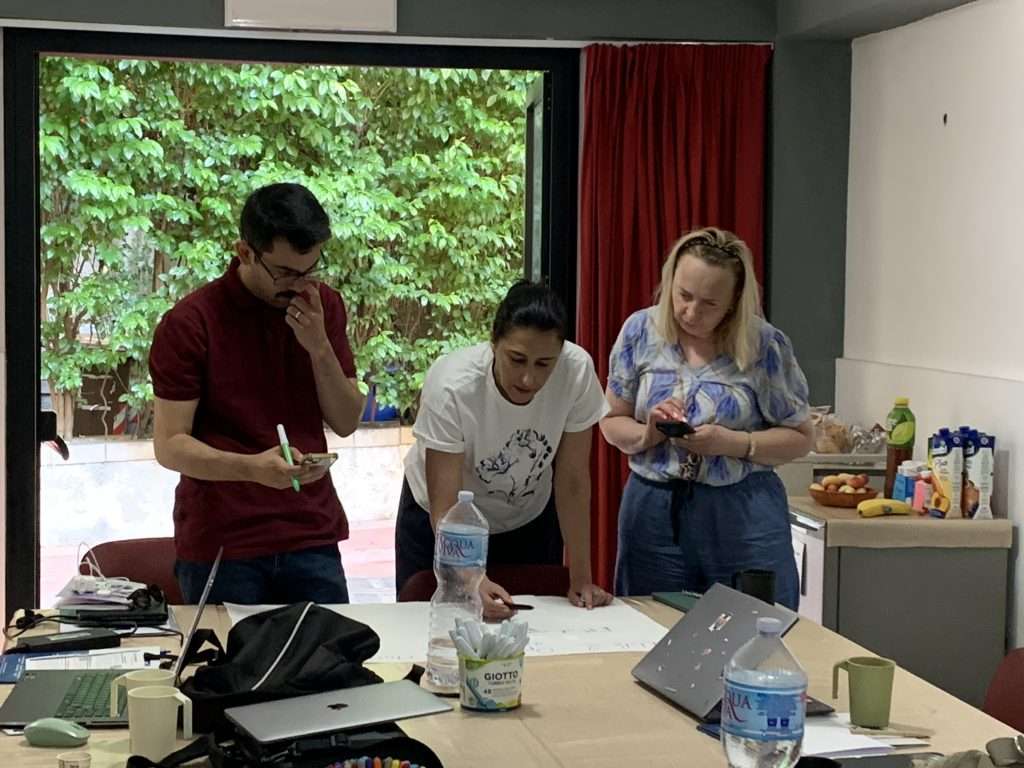
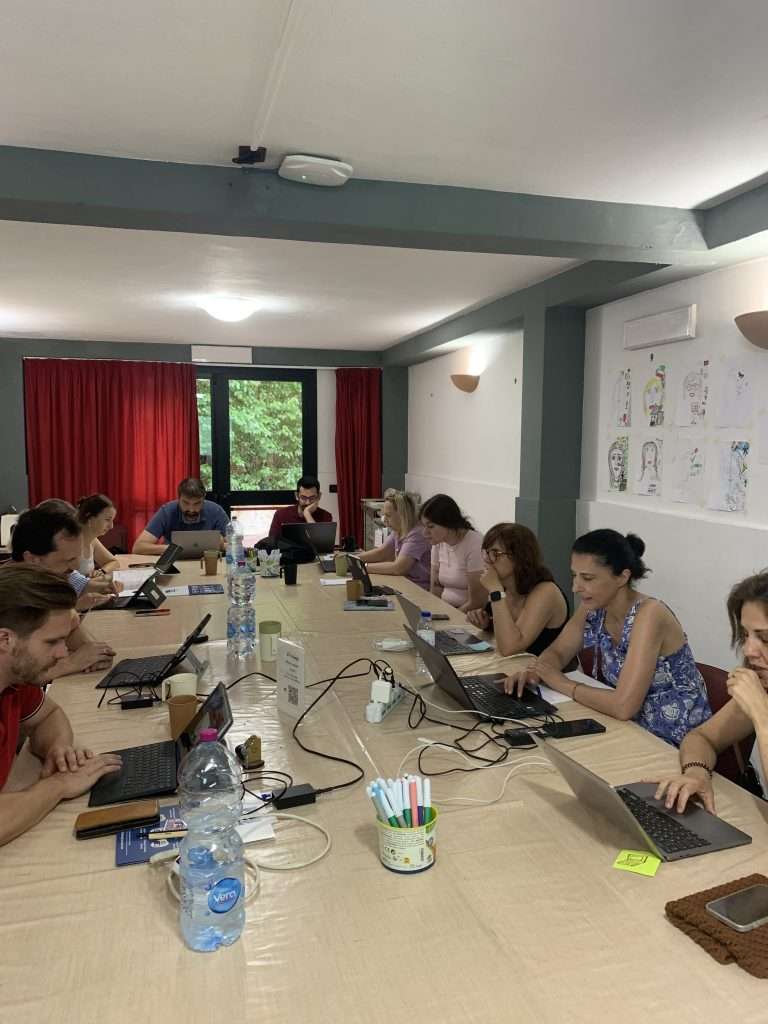
The programme began with team-building and ice-breaking activities, an exchange of expectations, and discussions on the evolution of AI in education. Participants reflected on the opportunities and challenges AI presents for teachers and students before exploring the growing range of educational AI solutions available today.
The following sessions focused on developing practical skills. Participants examined the capabilities and limitations of large language models, learned advanced prompting techniques, and experimented with different approaches through hands-on activities. They also explored advanced AI applications for educators, discovered how simple AI-assisted web applications can be created, and discussed how AI can support research and independent learning.
Later in the week, attention shifted to creating high-quality teaching resources. Participants learned how AI can assist in producing presentations, booklets, visual materials, and multimedia content, while also exploring ways to personalise lessons and learning activities. The participants had multiple times to create new classroom support, to share it with the others, and to improve their abilities of using AI for teaching content. The course also addressed AI-supported assessment, highlighting innovative approaches to both formative and summative evaluation.
An important part of the programme was dedicated to the ethical and responsible use of AI. Participants examined the European guidelines, discussed potential risks and limitations, and reflected on the importance of using AI critically and transparently in educational settings. Alongside the training sessions, there was also time to discover Palermo’s cultural heritage and strengthen professional connections in a more informal setting.
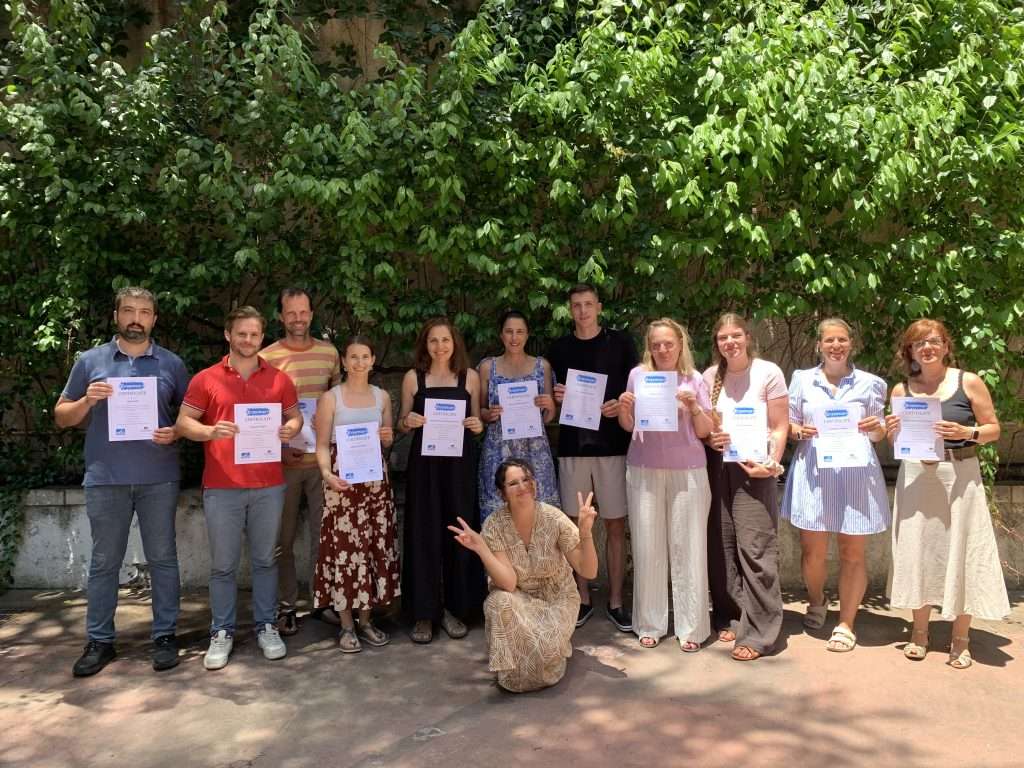
The final day was dedicated to exchanging good practices, discussing future Erasmus+ cooperation, and reflecting on the learning journey. The course concluded with the validation of learning outcomes and a certification ceremony, leaving participants with practical skills, fresh ideas, and an international network of colleagues ready to continue exploring the role of AI in education.
Dowiedz się więcej o tym kursie tutaj.
Where this course took place: Erasmus courses for teachers in Palermo
Planning your own Erasmus+ course? Pobierz katalog kursów 2026-2027
 English (UK)
 Español
 Italiano
 Deutsch
 Română
 Български
 Čeština
 Ελληνικά
 Polski
 Português
 Français