Keeping students motivated and actively involved in the learning process is one of the greatest challenges teachers face today. As digital technologies continue to shape education, ICT, online platforms, and artificial intelligence are becoming valuable allies in creating more interactive, engaging, and learner-centred classrooms. By using these tools effectively, educators can present content in fresh ways, encourage collaboration, and support students with different learning styles.
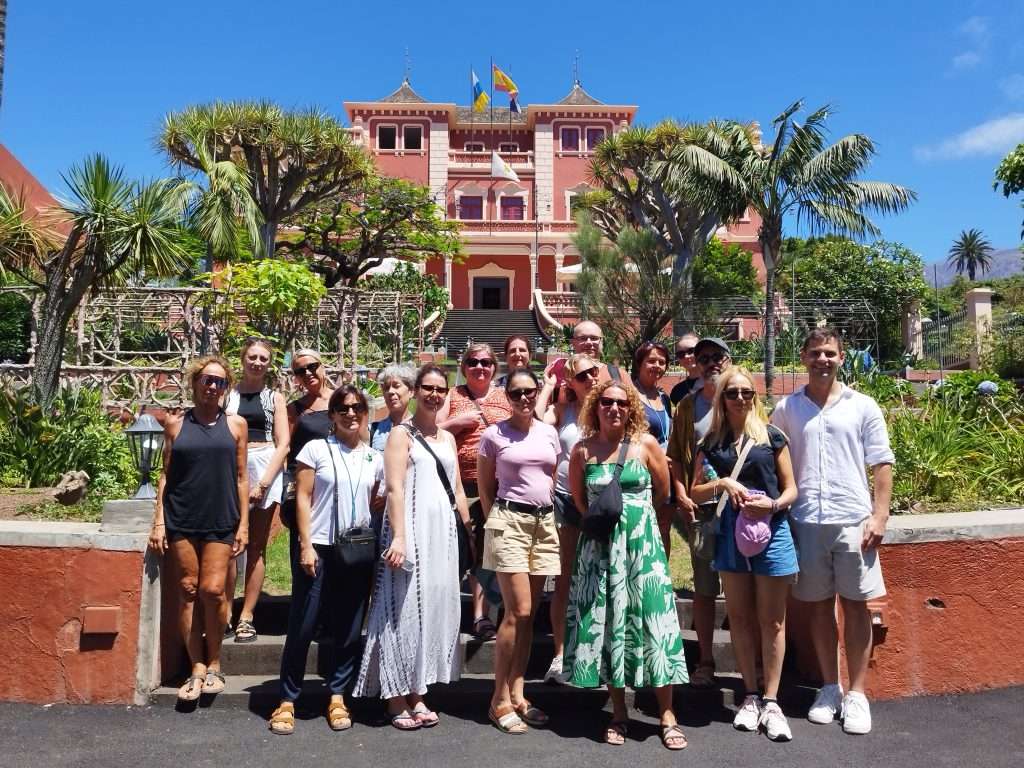
Kurs “Integrating ICT, new technologies and AI tools into teaching and education” miało miejsce w Teneryfa z 12/07/2026 to 18/07/2026. The participants came from all across Europe, with Szabolcs from VIK Vocational Institute and Secondary Grammar School in Hungary; Nataliia from Carlo-Schmid-Oberschule in Germany, Maria from Saint Lazarus Technical School in Cyprus, Emilia from Istituto Elsa Morante we Włoszech, Katarzyna and Magdalena from Szkoła Podstawowa im. Bł. Stefana kard. Wyszyńskiego w Buszkowicach in Poland.
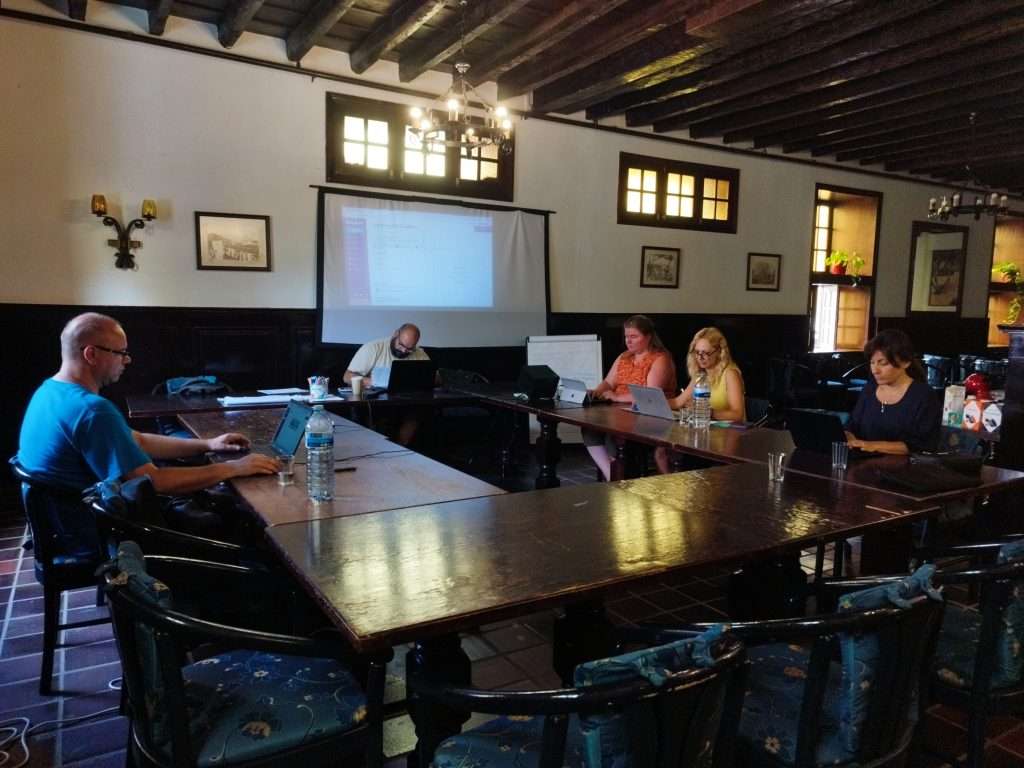
The course focused on practical ways of integrating technology into everyday teaching. Participants explored a range of AI-powered tools for creating images, videos, podcasts, and other multimedia resources that can be used to introduce new topics, reinforce previous lessons, or encourage students’ creativity. Among the tools presented, video creation proved particularly effective for capturing students’ attention and boosting classroom engagement.
Recognising the growing importance of online and blended learning, the programme also introduced digital solutions that support teaching beyond the traditional classroom. Participants experimented with virtual whiteboards and other collaborative platforms that make remote lessons more interactive while encouraging teamwork and active participation in virtual learning environments.
A strong emphasis was placed on learning by doing. Throughout the course, teachers designed interactive quizzes, created collaborative Padlet boards, and experimented with digital tools for producing posters, graphics, presentations, and other educational materials. These practical activities not only strengthened participants’ digital competences but also provided ready-to-use resources that can be immediately adapted for their own students.
Beyond developing technical skills, the course created a valuable space for professional exchange. Participants discussed common classroom challenges, shared good practices from their schools, and reflected on how technology can enrich teaching without replacing meaningful interaction between teachers and students. The international environment encouraged collaboration and offered fresh perspectives on education across different countries.
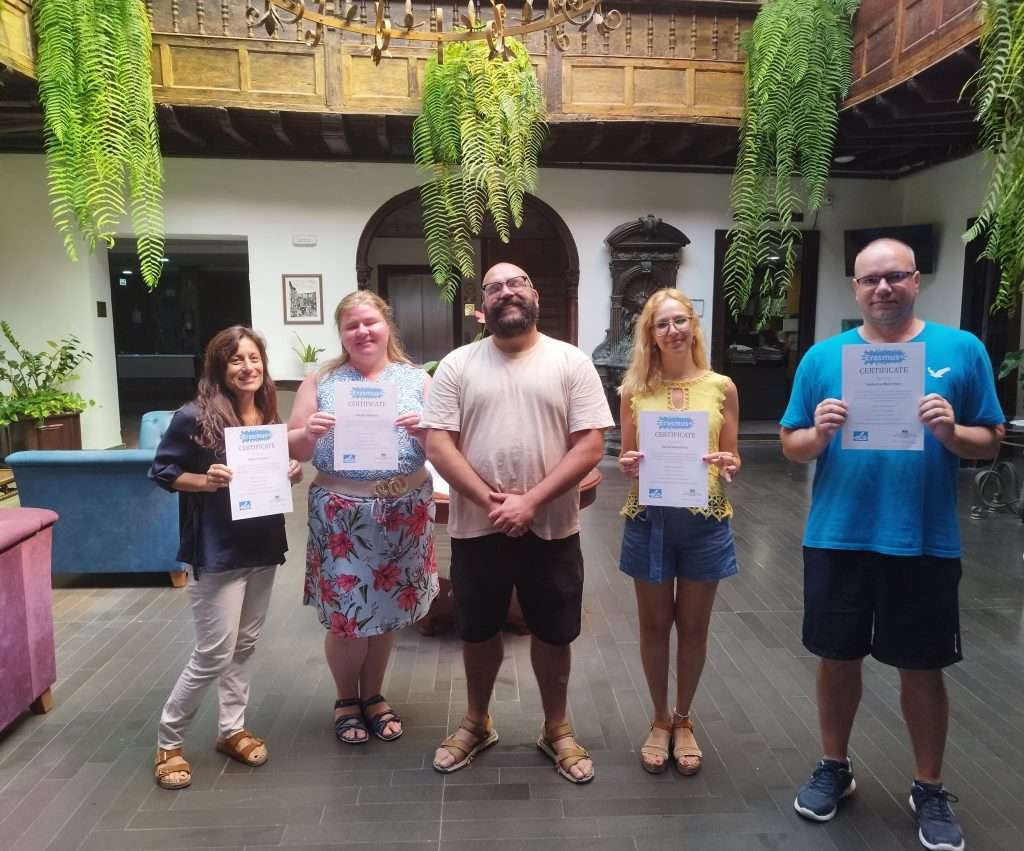
By the end of the training, participants returned home equipped with a broad range of practical digital tools, greater confidence in using AI and educational technologies, and new ideas for creating engaging, inclusive, and interactive learning experiences. The knowledge and resources gained during the course will help them foster creativity, strengthen student participation, and transform everyday lessons into dynamic and motivating educational experiences.
Dowiedz się więcej o tym kursie Tutaj.
Where this course took place: Erasmus courses for teachers in Tenerife
Planning your own Erasmus+ course? Pobierz katalog kursów 2026-2027
 English (UK)
 Español
 Italiano
 Deutsch
 Română
 Български
 Čeština
 Ελληνικά
 Polski
 Português
 Français