Being in contact with the outdoors has a considerable positive impact on the cognitive, behavioural and emotional development of human beings since prehistory. Even nowadays it is not unusual to feel inspired, intimidated or even influenced by walking in nature or admiring a natural or urban landscape. Outdoor education is an innovative teaching approach that offers the possibility to address two of the most important topics of today’s society: providing trwała edukacja na wysokim poziomie oraz raising awareness on the importance of preserving our planet in the face of the daunting threat of zmiana klimatu.
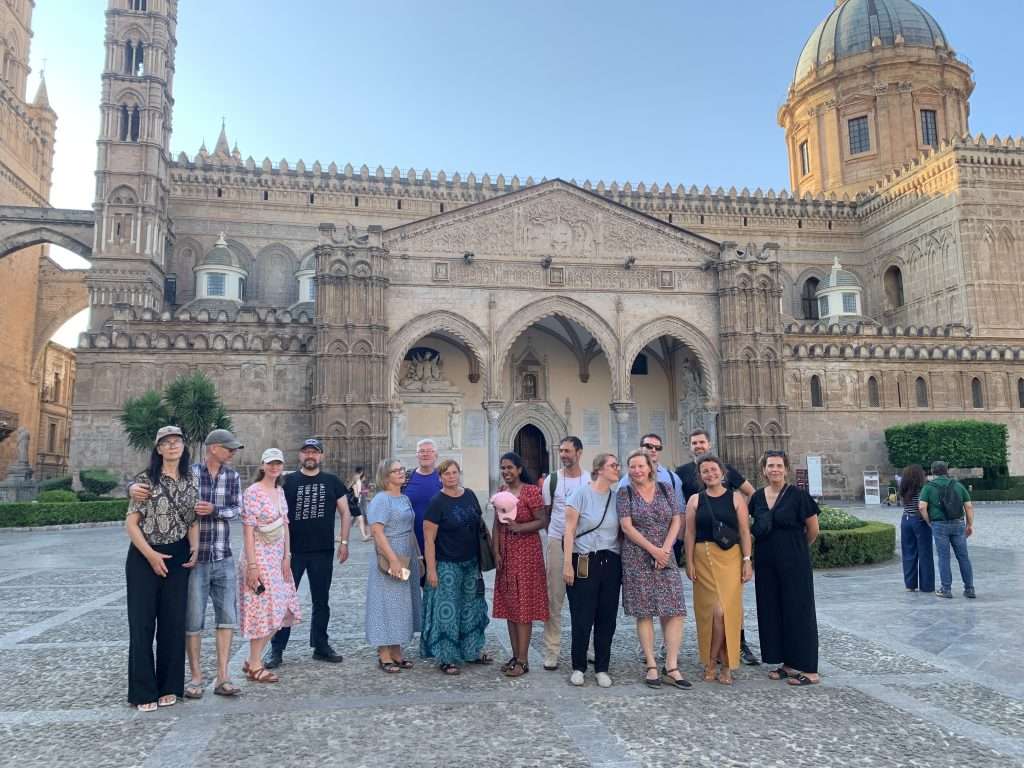
Nowa edycja kursu “Edukacja na świeżym powietrzu: nowy sposób nauczania i uczenia się” took place in Palermo z 31/05/2026 do 06/06/2026. The participants came from all across Europe, with Gertrud and Anne from Heinrich-Braun-Mittelschule (Germany), Barbara and Ewa from Zespół Szkolno-Przedszkolny w Łące (Poland), Matej from Gymnázium Šrobárová, Košice (Slovakia) and 3 participants from Belgia : Marinke and Krista from CVO Volt and Gust from Atheneum Herzele.
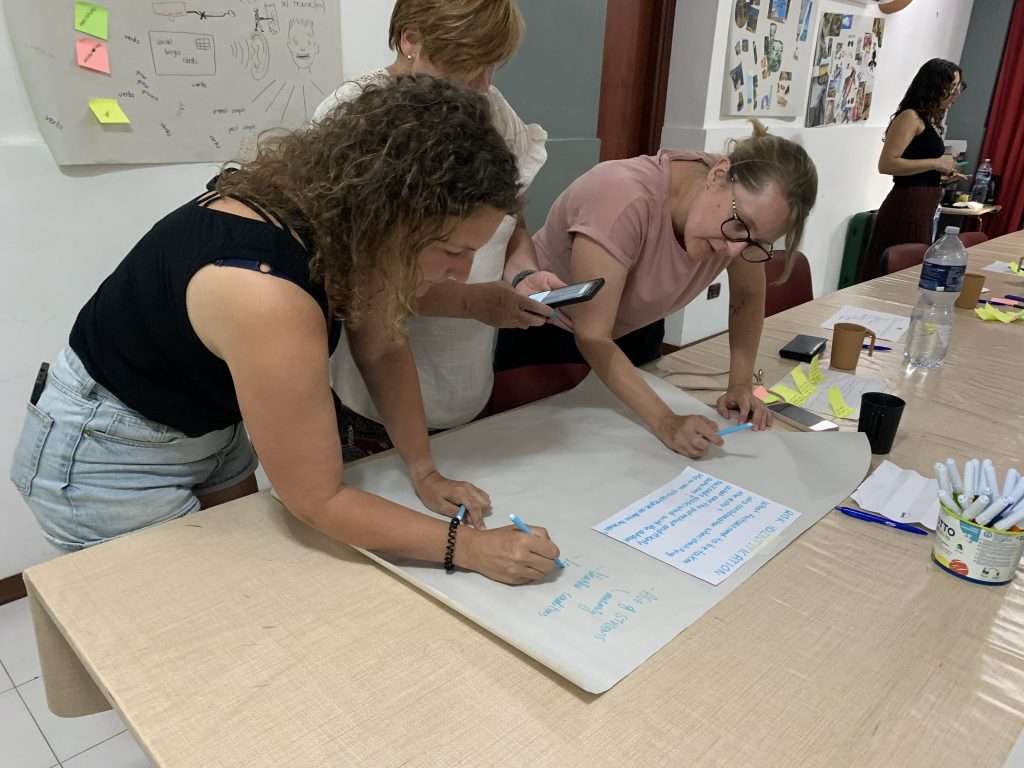
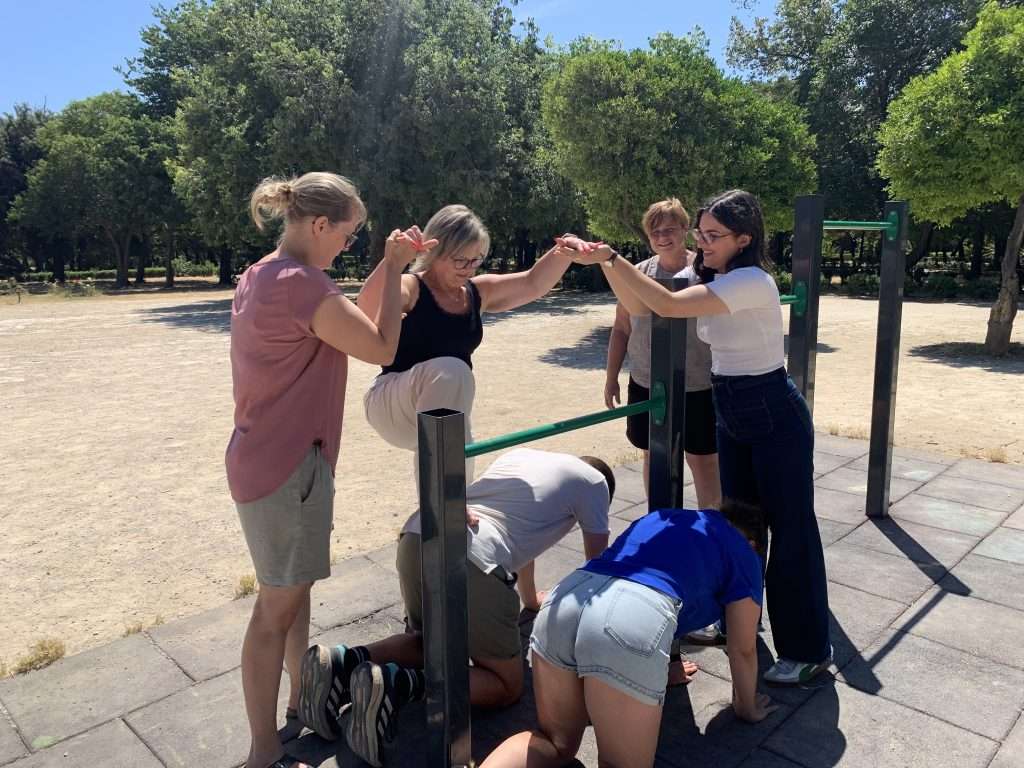
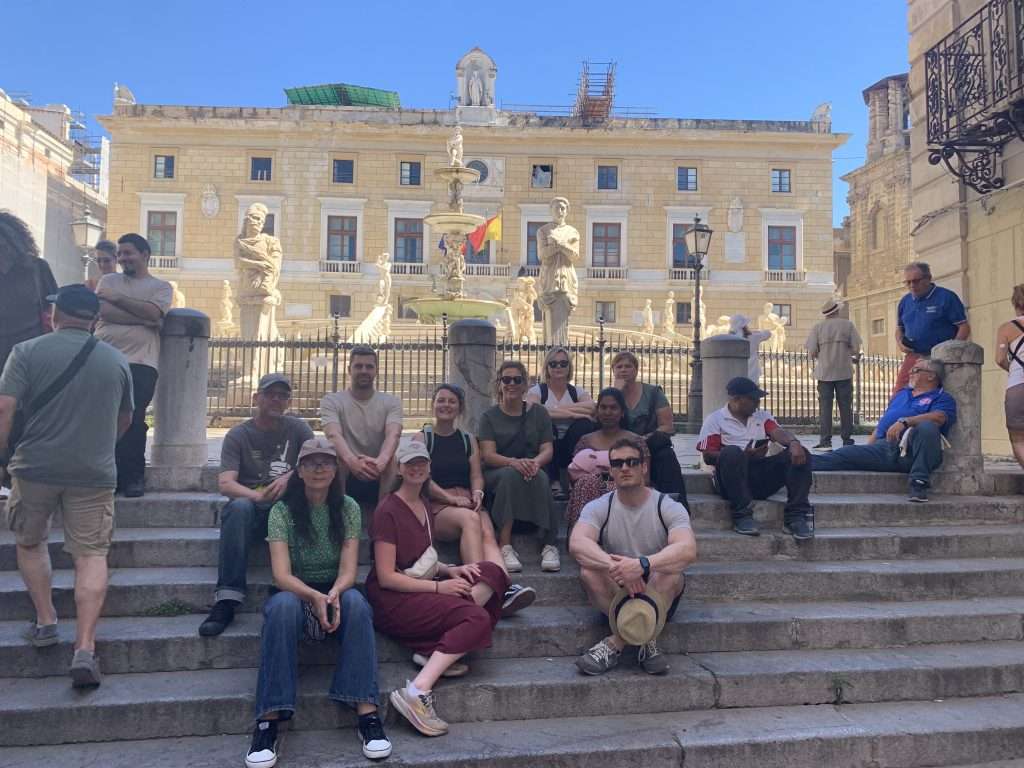
Starting with the definition of Outdoor Education, we explored the various ways in which students can be encouraged to connect with the outdoors, which does not necessarily mean being surrounded by nature or forests. In fact, part of the training was dedicated to Miejska edukacja na świeżym powietrzu and the opportunities offered by the city as a learning environment. Participants learned how to teach subjects such as science, mathematics, music, art, languages, and more through activities designed to focus their attention on their surroundings.
Another part of the course focused on practising a variety of tools and activities in natural environments, particularly in local parks. The games and activities tested were highly appreciated and inspired participants not only through the exchange of ideas within the group, but also in creating their own outdoor learning activities.
Participants also explored the concepts of Non-Formal Education (NFE), a pedagogical approach on which many outdoor activities are based. This approach places concrete experience at the centre of the learning process. By guiding students through the entire learning cycle and encouraging meaningful reflection through appropriate questions, teachers can help them connect newly acquired knowledge to their own lives and apply it in practice.
The final part of the course was dedicated to designing an outdoor learning experience tailored to each participant’s target group. After studying the principles of outdoor learning, exploring Kurt Hahn’s ten principles and their deeper meaning, and experiencing a wide range of urban and nature-based activities, each participant designed an outdoor lesson related to the subject they teach. Taking into account the age of their students, as well as the skills and topics they wished to address, each teacher planned the session in detail, presented it to the rest of the group, and received feedback on how to improve it.
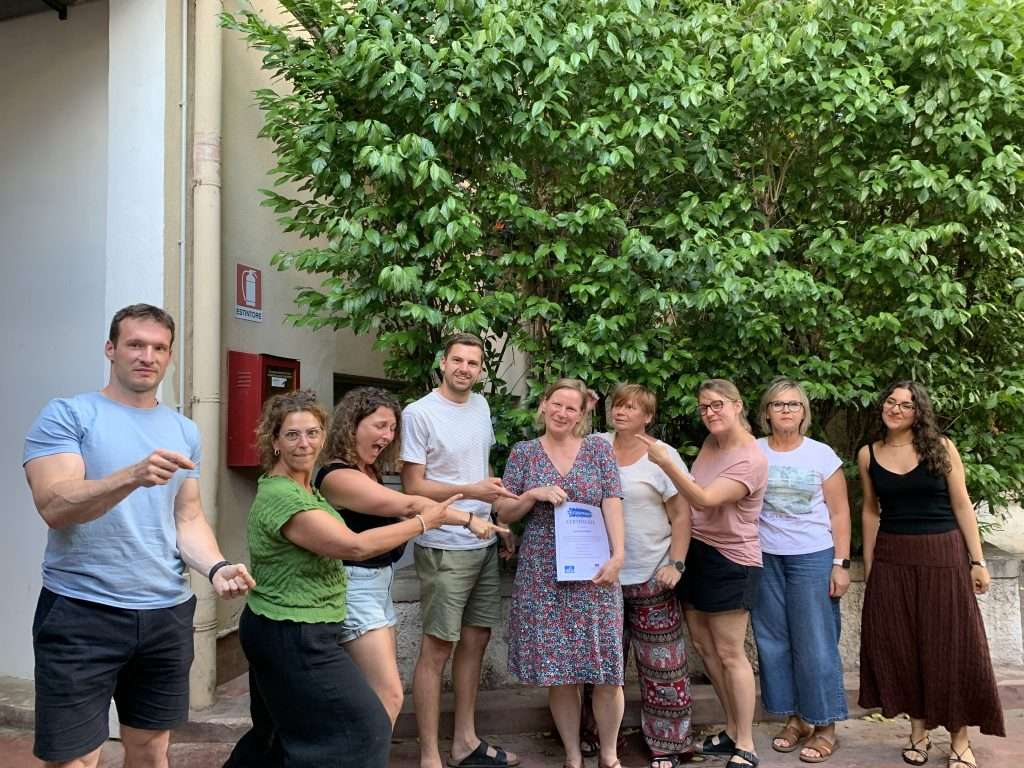
This week was itself a clear demonstration of the effectiveness of experiential outdoor learning. Through our hands-on approach, participants experienced first-hand what outdoor education looks like in practice and acquired the knowledge and skills needed to design similar experiences for their own students.
During this course, participants explored a wide range of activities and games that they will be able to replicate with their students, demonstrating that learning does not happen only inside the classroom.
Dowiedz się więcej o tym kursie Tutaj.
Where this course took place: Erasmus courses for teachers in Palermo
Planning your own Erasmus+ course? Pobierz katalog kursów 2026-2027
 English (UK)
 Español
 Italiano
 Deutsch
 Română
 Български
 Čeština
 Ελληνικά
 Polski
 Português
 Français