In every classroom, students bring different perspectives, ways of thinking, and learning styles. Acknowledging and valuing these differences is what makes education truly meaningful. Inclusive education is not just about adjusting lessons for a small group of learners; it is about reshaping the entire learning environment so that all students, regardless of their abilities or backgrounds, feel respected and supported.
The course “Specjalne potrzeby edukacyjne i edukacja włączająca: podejścia i najlepsze praktyki dla nauczycieli” took place in Teneryfa z 15/03/2026 do 21/03/2026. This edition welcomed enthusiastic educators from across Europe: Inese from Viduskurzeme primary school – development centre in Latvia, Morgane, Lucie and Thibaut from NOTRE DAME DES MISSIONS-TOULON in France, and Ana from Bioliving w Portugalii.

The course opened with an introduction to the idea of inclusion in education, emphasizing that every child deserves access to meaningful learning opportunities within a shared classroom setting. Through interactive discussions and group activities, participants reflected on their own teaching practices and explored strategies to better adapt lessons to the diverse needs of their students. They also examined how to create supportive classroom environments where collaboration, empathy, and flexibility are essential.
Throughout the week, participants explored the Italian model of inclusive education, widely recognized for its strong commitment to integrating students with special needs into mainstream schooling. They looked at how this model has evolved over time and discussed the importance of cooperation between classroom teachers, support staff, and families in ensuring that every student is included.
The programme also highlighted the importance of communication and collaboration among educators, focusing on co-teaching approaches and classroom management techniques that encourage shared responsibility. Participants explored how digital tools and assistive technologies can improve accessibility, boost motivation, and increase engagement for all learners, especially those with learning difficulties.
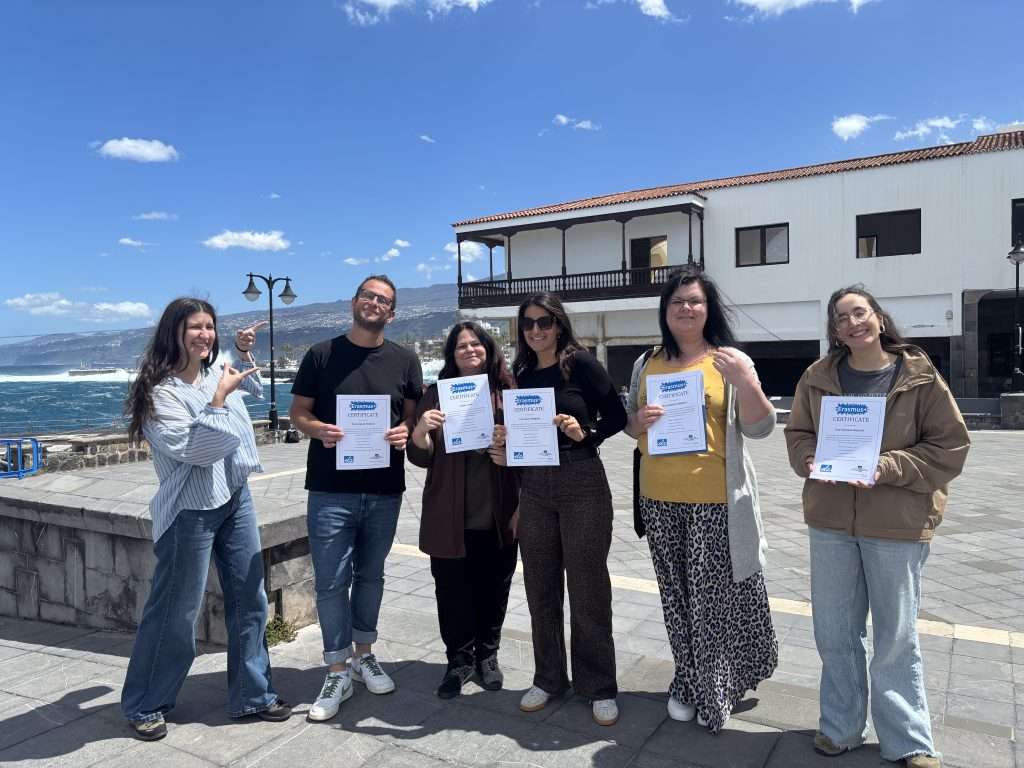
By the end of the week, participants had developed a deeper understanding of how inclusive education can transform schools into environments where every student feels confident and valued. They left Tenerife with fresh motivation, practical strategies, and a strong sense of community, ready to continue promoting inclusion in their own schools.
Dowiedz się więcej o tym kursie Tutaj.
Where this course took place: Erasmus courses for teachers in Tenerife
Planning your own Erasmus+ course? Pobierz katalog kursów 2026-2027
 English (UK)
 Español
 Italiano
 Deutsch
 Română
 Български
 Čeština
 Ελληνικά
 Polski
 Português
 Français