As teachers and education staff, we always aim for our students to be successful, to have the right knowledge, skills and attitudes to find their best place in the society we live in. Our modern society is extremely diversified as well as multicultural and, as such, promoting diversity and tolerance in the classroom has become a crucial goal for teachers, schools and adult education. Building empathetic and open-minded characters can make a real impact for learners and for the whole society.
Η νέα έκδοση του μαθήματος “Diversity in the classroom: teaching tolerance and overcoming prejudices and discrimination” πραγματοποιήθηκε στο Τενερίφη από 5 to 11 July 2026. Participants joined from across Europe, including Marin, Tomislav, Lidija and Luka from Pučko otvoreno učilište Brod in Croatia; Maria Antonietta, Vincenza and Raika from Istituto Omnicomprensivo Primo Levi in Italy; Brunella Maria and Manuela from L.A. Muratori in Italy; Daire from the Gaiety School of Acting in Ireland; Martina and Monika from SOŠZ a SOU Český Krumlov in the Czech Republic; Barbara from Bocskai István Reformed Primary School and Kindergarten in Hungary; and Anett from Jászberényi Nagyboldogasszony Katolikus Óvoda, Kéttannyelvű Általános Iskola, Középiskola és Kollégium in Hungary.
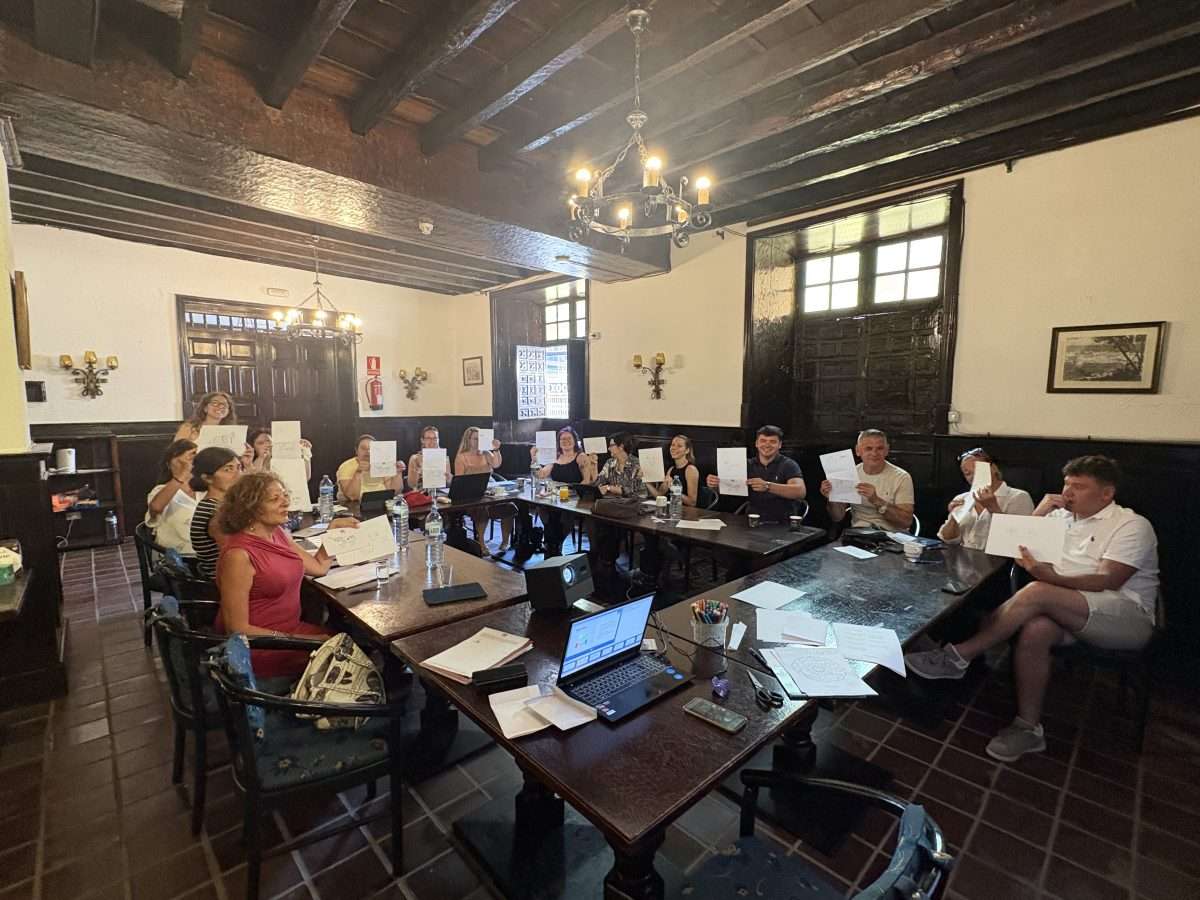
The week opened with a question that sounds simple but rarely is: who are we, really? Instead of starting from theory, the group started from themselves. Each teacher was asked to draw a self-portrait split into two halves, one showing what the world sees at first glance, the other showing the values, memories and beliefs that are not visible at all. Sharing those portraits made one thing immediately clear: the way we read the world, and the way we read our students, is filtered through an identity we rarely stop to examine.
Compose each slide from any blocks.

Mix images, text, buttons and more.

Each group becomes one slide.
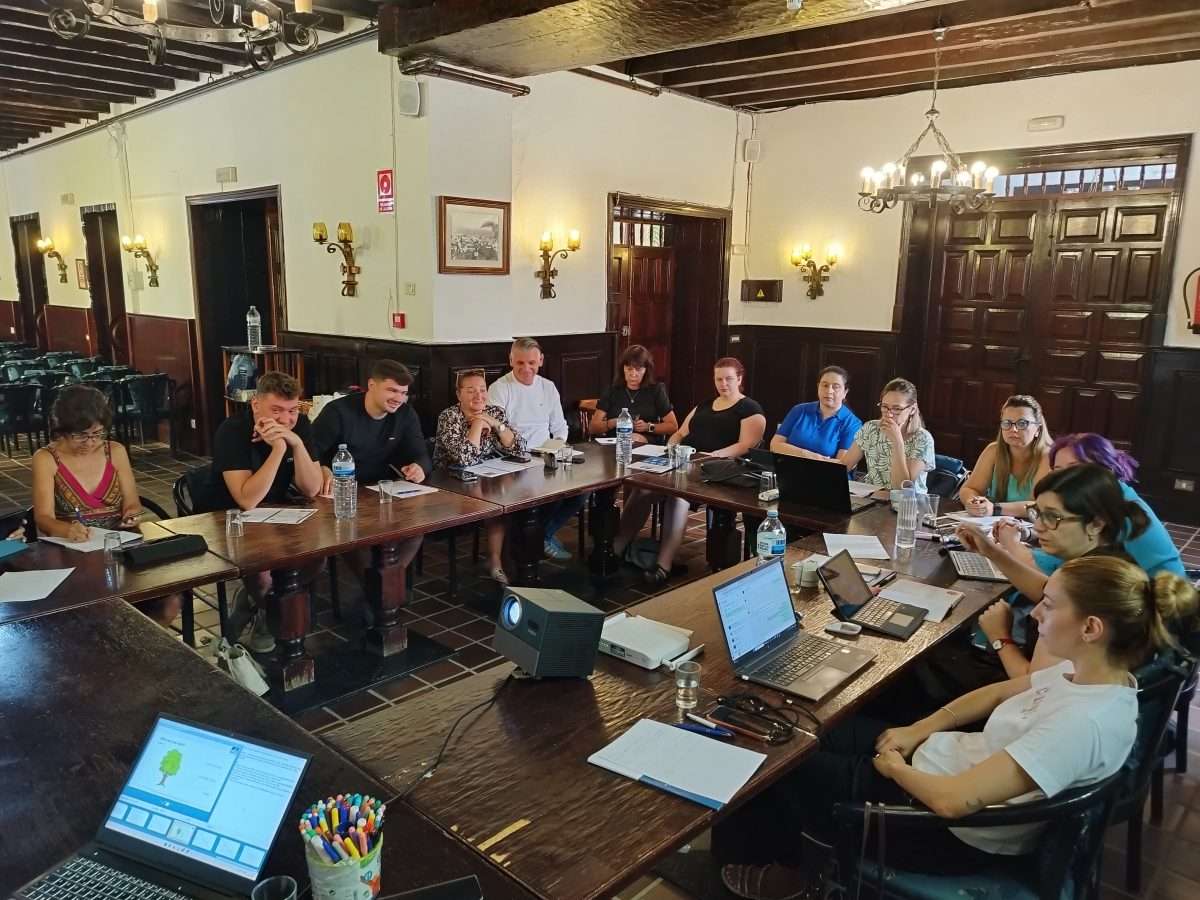
From there, the group moved on to the challenges of recognising and promoting cultural diversity in real classrooms. A TED talk sparked a lively discussion on why asking “where are you local?” can be far more revealing than asking “where are you from?”. What shapes our learners is not a passport but the layers of culture they carry: family, neighbourhood, language, school, friendships all interconnected and all constantly evolving.
No conversation about diversity is complete without addressing stereotypes. Participants looked at where stereotypes come from, why our brains find them so convenient, and what they cost us when they go unchallenged. Using storytelling as a working tool, the group traced the path a stereotype can travel: from a harmless generalisation, to a judgement, and eventually to exclusion and discrimination. Seeing that mechanism unfold step by step made it much easier to recognise it in everyday school life.
The course then turned to awareness and respect. If our identity is the pair of glasses through which we see reality, then no two people in a classroom are looking at exactly the same picture. Through simulations and critical-thinking activities, teachers experienced how personal values shape culture and how culture, in turn, shapes personal values, a two-way street that plays out in every group of students.
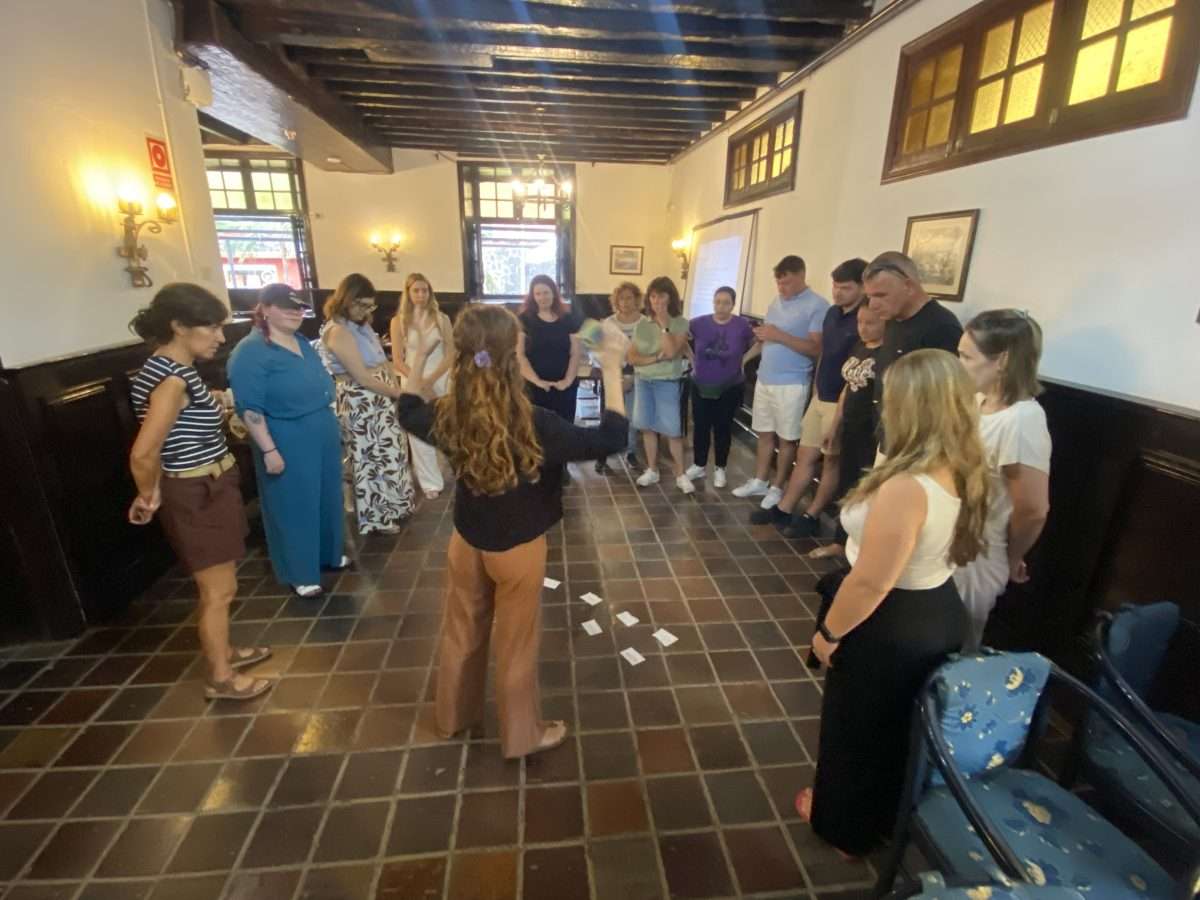
Belonging was the next focus. Rather than talking about inclusion in the abstract, participants took part in dynamics designed to let them feel what exclusion actually feels like from the inside, and how much effort it takes to open a group up to someone new. The geese exercise, with its different leadership styles, worked particularly well here and generated one of the richest debriefs of the week.
The final theme was empathy. The group explored emotions and feelings and practised the deceptively difficult skill of stepping into someone else’s shoes. Being aware of our own emotions is essential, but so is training ourselves and our students to name and express them. That is where tolerance stops being a value written on a poster and starts becoming a classroom habit.
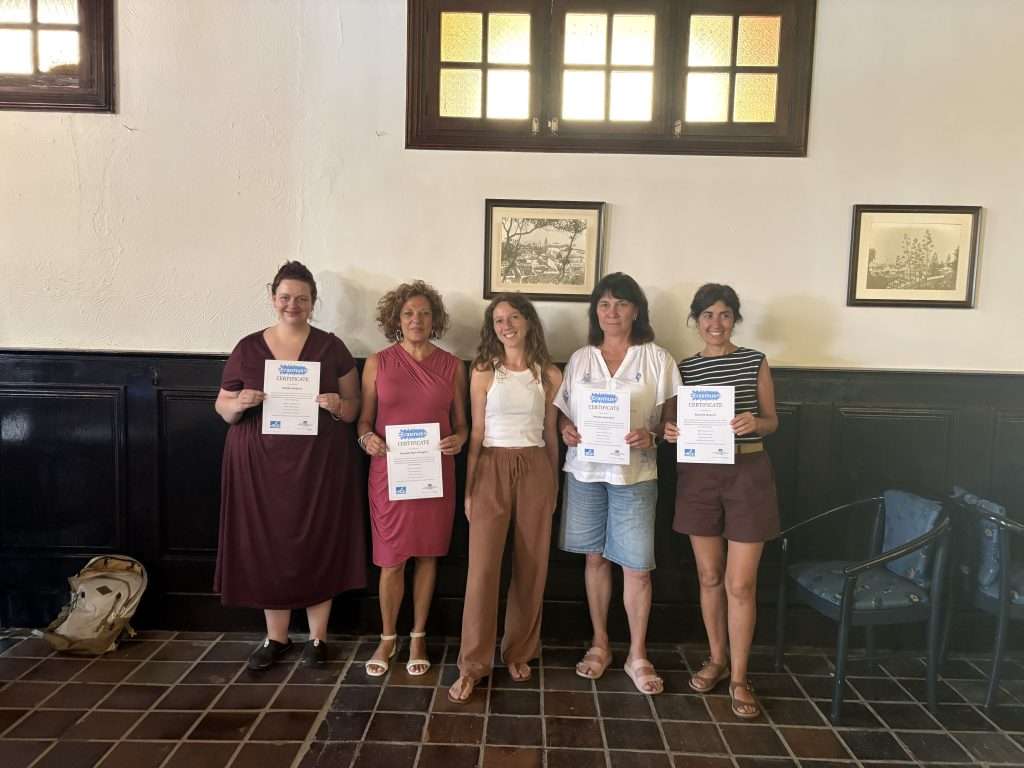
Between sessions, the cultural activities in Tenerife gave participants the chance to keep the conversation going in a completely different setting, exchange practices from seven different education systems and build the kind of connections that outlast a training week. All in all, it was a bright week full of new knowledge, hands-on practice, sharing, deep conversations, ideas and emotions and a toolkit that each participant can now take straight back to their own classroom.
Μάθετε περισσότερα για αυτό το μάθημα εδώ.
Where this course took place: Erasmus courses for teachers in Tenerife
Planning your own Erasmus+ course? Κατεβάστε τον κατάλογο σεμιναρίων 2026-2027
 English (UK)
 Español
 Italiano
 Deutsch
 Română
 Български
 Čeština
 Ελληνικά
 Polski
 Português
 Français