Modern life can be demanding, and it is not always easy to keep up with our daily responsibilities. Stress can affect both our personal and professional lives, while challenging situations can sometimes lead to conflict. Learning how to recognise stress, communicate effectively, and respond to difficult situations can make a real difference. The Erasmus+ course “Stress and Conflict Management: Building Resilience and Well-being” gave participants the opportunity to explore practical strategies for managing stress and conflict and developing greater resilience.
Η νέα έκδοση του μαθήματος “Stress and Conflict Management: the way to resilience and satisfaction” πραγματοποιήθηκε στο Τενερίφη από 02/08/2026 προς 08/08/2026. The participants came from Ιταλία, with Agnese and Ginevra from YouNet; Weronika από AES; and Sebastian from NIA.
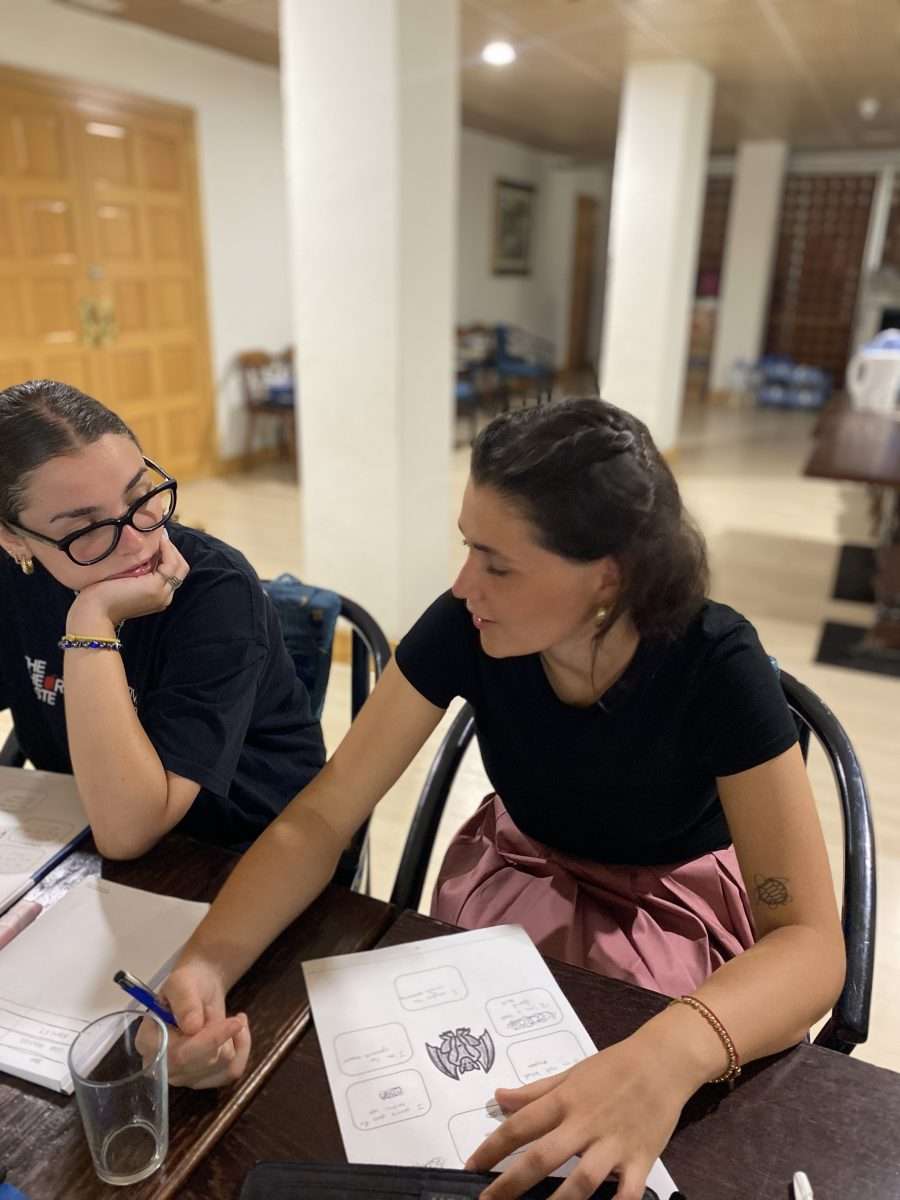
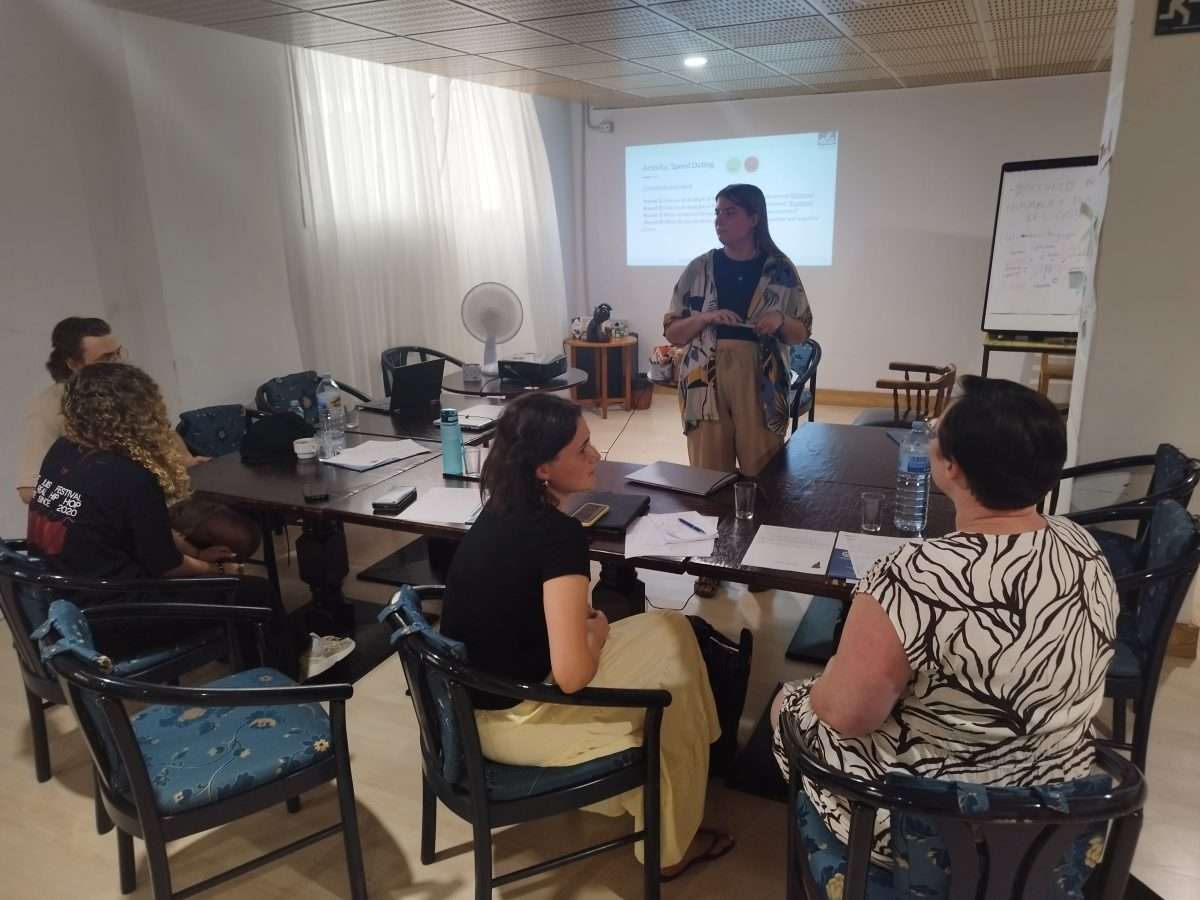
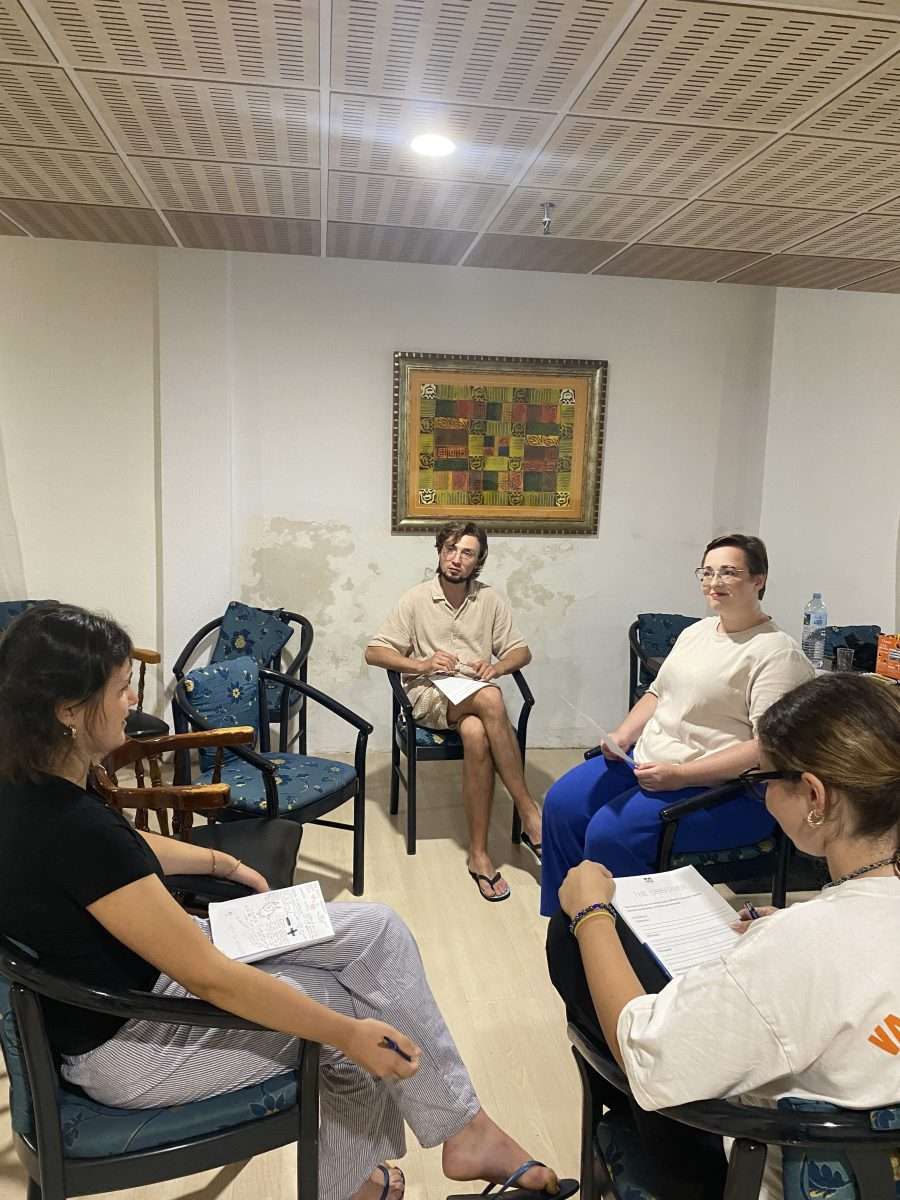
The course began by looking at what stress actually means and what can trigger it. Through group brainstorming, participants identified different types of stressors, including factors related to work, family, the environment, and everyday life. They also explored the difference between distress, which has negative effects, and eustress, the type of stress that can sometimes motivate us to reach a goal or meet a deadline.
Participants then explored different cognitive and behavioural strategies for dealing with stressful situations at work. Group activities helped them develop their planning and time management skills, while practical exercises such as breathing techniques, muscle relaxation, and visualisation provided simple tools that can be used to reduce tension and regain focus.
Another important part of the course focused on empathy and communication. Participants explored why empathy is essential when dealing with disagreements and learned to recognise the difference between an empathic response and other ways of reacting to someone’s emotions. They also looked at different communication styles and took part in a group exercise where they had to work together to resolve a conflict. The activity showed that, although conflicts can be challenging, they can also create opportunities to learn, improve communication, and strengthen relationships.
The final part of the course introduced mindfulness as another way of supporting emotional well-being. Through mindfulness exercises and meditation, participants practised focusing on the present moment and becoming more aware of their thoughts, emotions, and surroundings. These activities highlighted how mindfulness can support attention, self-awareness, and emotional regulation in everyday life. Participants were able to share their own experiences, compare perspectives, and learn from one another. This exchange helped demonstrate that while stressful situations and conflicts are common, there are many different ways to approach them.
By the end of the week, participants had gained a range of practical tools for managing stress, communicating more effectively, and approaching conflict with greater confidence. Most importantly, they discovered that difficult situations do not always have to be negative – they can also become opportunities for personal growth, learning, and stronger relationships.
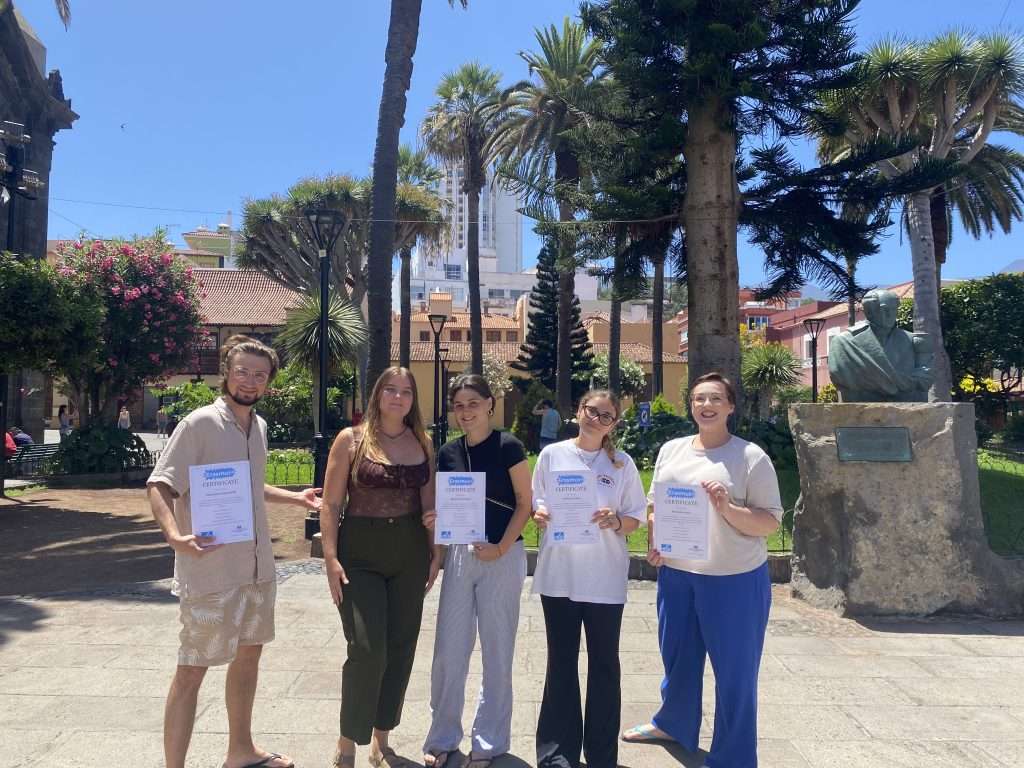
Μάθετε περισσότερα για αυτό το μάθημα εδώ.
Where this course took place: Erasmus courses for teachers in Tenerife
Planning your own Erasmus+ course? Κατεβάστε τον κατάλογο σεμιναρίων 2026-2027
 English (UK)
 Español
 Italiano
 Deutsch
 Română
 Български
 Čeština
 Ελληνικά
 Polski
 Português
 Français