Digital technology and artificial intelligence are opening up new possibilities for teaching, from creating interactive activities to planning lessons and checking students’ progress. But how can teachers use these tools in ways that genuinely support learning? This was the main question explored during an Erasmus+ training course in Porto, where educators spent a week discovering practical ideas to bring into their everyday work.
The course, “Integrating ICT, New Technologies and AI Tools into Teaching and Education,” took place in Porto, Portugal, from 11 to 17 October 2026. It brought together participants from different educational backgrounds and countries: Olaf from Gesundheit Nord – Klinikverbund Bremen, Germany; Aneliya and Katya from SU “Dimcho Debelyanov”, Bulgaria; Nikolaos and Christina from 1st General Lyceum of Chaidari, Greece; Sabine from Forening Studieskolen, Denmark; Magdalena, Agnieszka Gałecka and Joanna from John Paul II University in Biała Podlaska, Poland; Riina from Tallinna Mustamäe Riigigümnaasium, Estonia; Corinne from Vocational High School Léon de Lépervanche, La Réunion; and Sven from Louise-Schroeder-Schule, Germany. Their different experiences provided opportunities to exchange ideas and explore how digital tools can respond to a variety of learning needs.
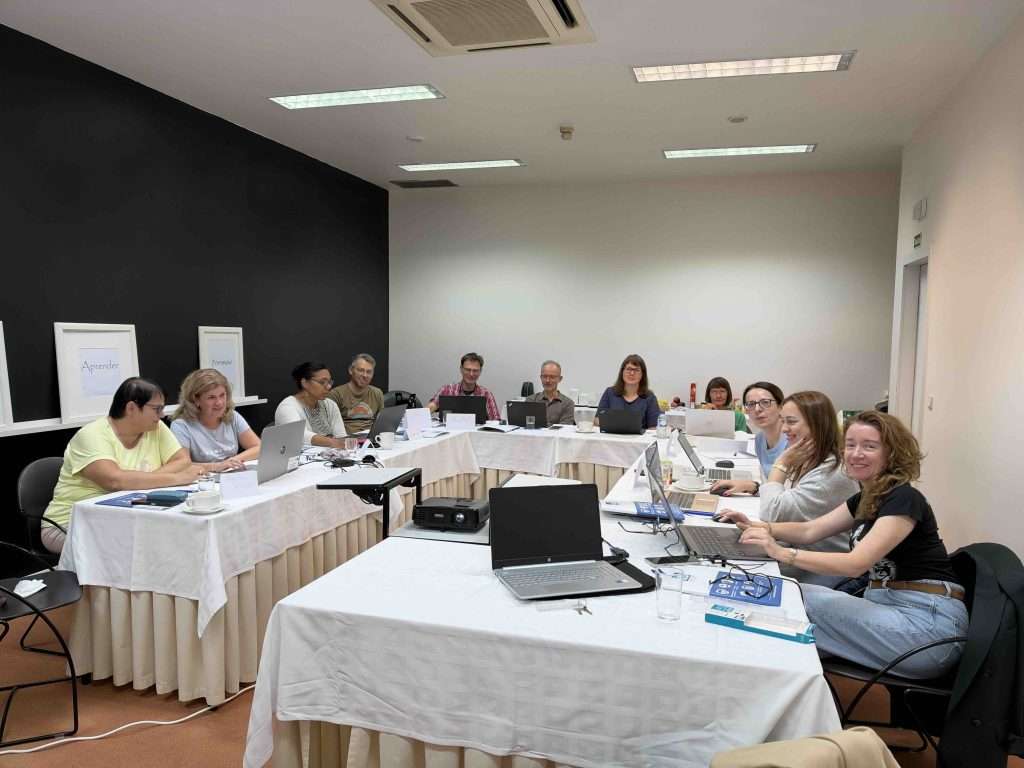
The first two days focused on getting familiar with digital tools and exploring ways to make lessons more interactive. Participants started with collaborative activities και online spaces for sharing ideas, followed by interactive polls και quizzes to collect feedback και encourage participation. They also discovered digital worksheets and game-based learning activities, considering how these could help students practise new skills and stay involved in lessons.
On Wednesday, the focus moved to educational applications and learning games. Through practical activities, participants explored how quizzes and challenges can make revision more engaging while helping teachers identify areas where students may need additional support. The sessions encouraged them to think about how these activities could be adapted to different subjects and classroom situations.
Thursday introduced the role of artificial intelligence in education, alongside digital tools for assessment and feedback. Participants considered how technology can support the learning process and make it easier to check students’ understanding. The discussions also highlighted the importance of choosing tools carefully and using them to complement, rather than replace, teachers’ professional judgement.
The final day brought these ideas together through educational videos, interactive activities, and lesson planning with AI. Participants explored how digital resources can support lesson preparation and provide different ways for students to engage with learning content. The programme concluded with the presentation of certificates.
Throughout the week, participants combined hands-on practice with the opportunity to exchange experiences and perspectives. Working alongside colleagues from different countries helped them consider new approaches and reflect on how these might fit their own educational settings.
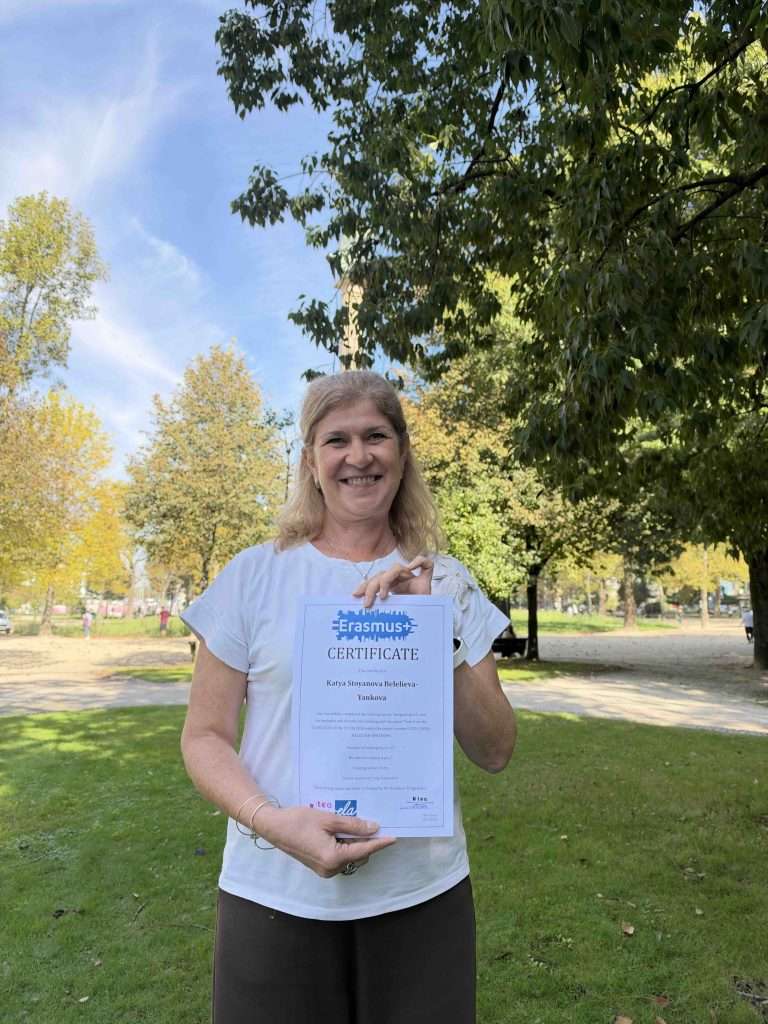
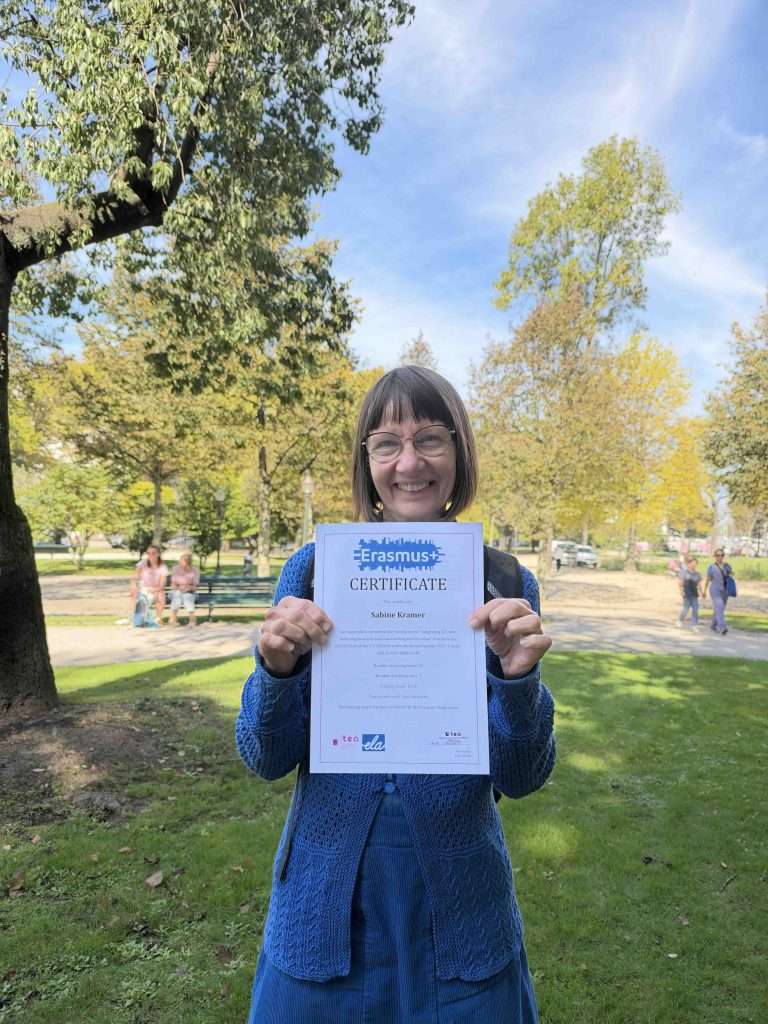
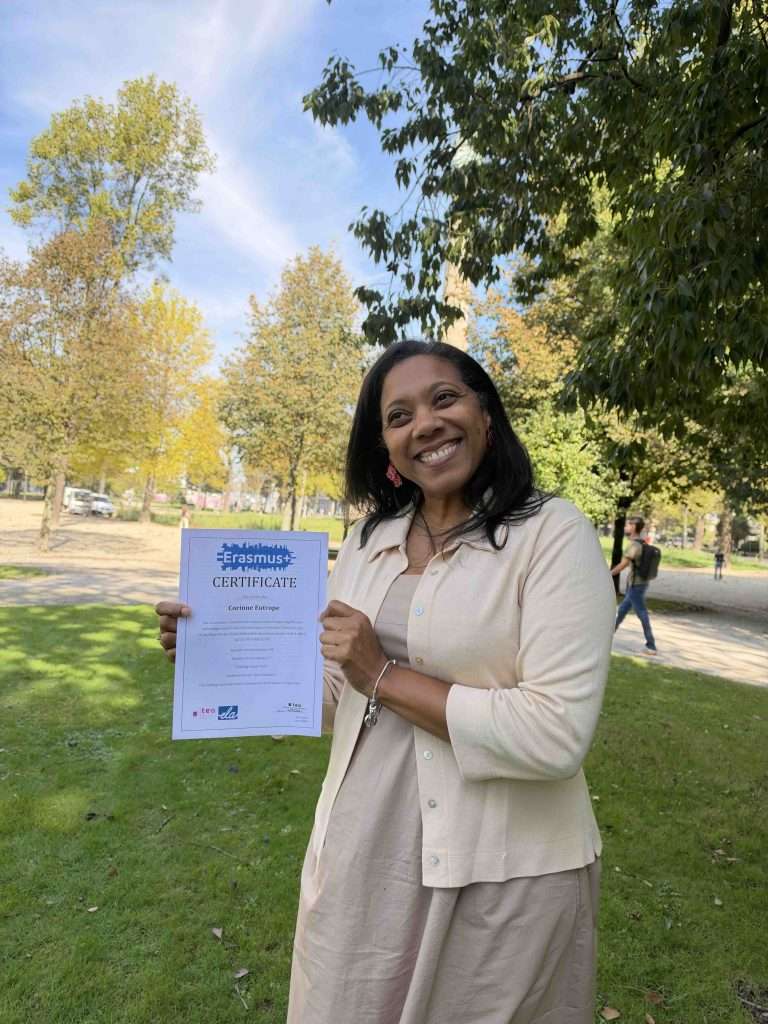
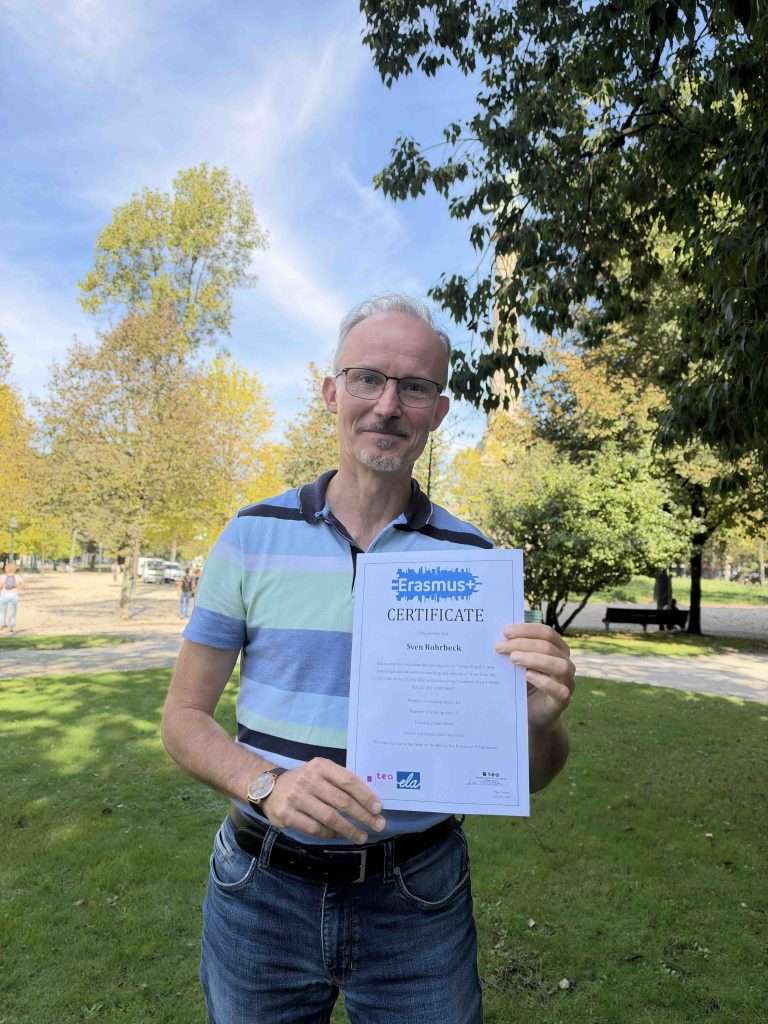
By the end of the course, they had explored practical ways to create interactive lessons, encourage student participation, assess learning, and use AI to support lesson planning. More than simply discovering new tools, the experience gave participants ideas they can adapt to their own classrooms, with a focus on making technology useful, accessible, and relevant to their students’ needs.
Μάθετε περισσότερα για αυτό το μάθημα εδώ.
Where this course took place: Erasmus courses for teachers in Porto
Planning your own Erasmus+ course? Κατεβάστε τον κατάλογο σεμιναρίων 2026-2027
 English (UK)
 Español
 Italiano
 Deutsch
 Română
 Български
 Čeština
 Ελληνικά
 Polski
 Português
 Français